What Causes Hemorrhoids? The Complete Guide
What Causes Hemorrhoids?
Hemorrhoids affect more than half of adults by age 50, making them one of the most common health conditions worldwide. Yet despite their prevalence, many people don't understand why hemorrhoids develop or what they can do to prevent them.
This comprehensive guide explains the anatomy behind hemorrhoids, the primary causes and risk factors, and most importantly, what you can do to reduce your risk. Understanding the "why" is the first step toward effective prevention and treatment.
What Are Hemorrhoids, Exactly?
Hemorrhoids are swollen blood vessels in your rectal and anal area. Here's what many people don't realize: everyone has hemorrhoidal tissue. It's a normal part of your anatomy that actually serves important functions, including helping control bowel movements and providing cushioning during defecation.
Problems occur when these blood vessels become enlarged, inflamed, or irritated. When we talk about "having hemorrhoids," we're really talking about symptomatic hemorrhoids - ones that have swollen enough to cause discomfort.
The Two Main Types
Understanding which type you have is crucial for proper treatment:
Internal hemorrhoids develop inside the rectum, above the dentate line (an anatomical boundary in the anal canal). Because this area has few pain receptors, internal hemorrhoids are usually painless - even when bleeding. You may not know you have them until you notice blood on toilet paper or in the bowl.
External hemorrhoids form under the skin around the anus, below the dentate line. This area is rich in nerve endings, which is why external hemorrhoids can be extremely painful, especially if a blood clot forms (thrombosed hemorrhoid).
Many people have both types simultaneously. Learn more about the differences between internal and external hemorrhoids to better understand your condition.
Primary Causes of Hemorrhoids
1. Straining During Bowel Movements
Straining is the single most common cause of hemorrhoids. When you bear down forcefully to pass stool, you create intense pressure in the blood vessels of your rectum and anus. This pressure causes blood to pool in the hemorrhoidal veins, stretching them out and causing swelling.
Why straining happens:
- Chronic constipation: Hard, dry stools require more force to pass
- Rushing: Trying to complete bowel movements quickly leads to unnecessary pushing
- Extended toilet time: Sitting on the toilet for long periods (often while reading or using phones) maintains pressure on hemorrhoidal tissue
- Incomplete evacuation: Feeling like you haven't fully emptied leads to additional straining
The toilet posture in modern Western bathrooms doesn't help either. The standard sitting position creates an angle that makes elimination more difficult compared to squatting. This is why using a footstool to elevate your feet can significantly reduce straining.
2. Chronic Constipation or Diarrhea
Both extremes of bowel function contribute to hemorrhoid development through different mechanisms:
Constipation creates problems by:
- Requiring straining to pass hard stools
- Causing hard stool to scrape against hemorrhoidal tissue
- Prolonging time spent on the toilet
- Creating a cycle of worsening symptoms
Chronic diarrhea contributes through:
- Frequent irritation from repeated wiping
- Inflammation from acidic stool
- Multiple daily bowel movements that stress the tissue
- Dehydration that can worsen the cycle
Breaking these cycles is essential for hemorrhoid prevention. Fiber supplements and proper hydration address constipation, while treating the underlying cause of diarrhea prevents repeated irritation.
3. Prolonged Sitting
In our modern, sedentary world, prolonged sitting is a major hemorrhoid contributor - and one that's getting worse. When you sit for extended periods, especially on hard surfaces, blood pools in the pelvic area and puts continuous pressure on the anal region.
High-risk groups include:
- Office workers who sit 8+ hours daily
- Truck drivers and professional drivers
- Pilots and flight attendants
- Students during exam periods
- Anyone with a desk-based job
This is why hemorrhoids are sometimes called an "occupational hazard" for sedentary workers. If you have a desk job, our guide on managing hemorrhoids with a desk job offers practical strategies.
Prevention tip: Stand up and move for at least 5 minutes every hour. Consider a standing desk for part of your workday, or use a hemorrhoid cushion to reduce pressure while sitting.
4. Pregnancy and Childbirth
Pregnancy is a leading cause of hemorrhoids in women, with up to 50% of pregnant women developing them. Multiple factors combine to make pregnancy a particularly high-risk time:
During pregnancy:
- Increased blood volume: Your body produces about 50% more blood during pregnancy, putting more pressure on blood vessels
- Uterine pressure: As the uterus grows, it presses on the pelvic veins, impeding blood return from the lower body
- Hormonal changes: Progesterone relaxes blood vessel walls, making them more prone to swelling
- Constipation: Hormonal changes slow digestion, and iron supplements commonly prescribed during pregnancy can worsen constipation
During delivery:
- Intense straining during labor puts extreme pressure on hemorrhoidal vessels
- Vaginal delivery involves pushing that directly affects the anal area
- Even cesarean sections can lead to hemorrhoids due to the physical stress of pregnancy
The good news is that pregnancy-related hemorrhoids often improve after delivery as hormone levels normalize and pressure decreases. For safe treatment options, see our guide on pregnancy-safe hemorrhoid treatments and our article on hemorrhoids during pregnancy.
5. Aging
Age is a significant risk factor for hemorrhoids, with prevalence increasing substantially after age 50. Several age-related changes contribute:
Tissue weakening:
- The connective tissue that supports hemorrhoidal vessels loses strength over time
- Blood vessel walls become less elastic
- Muscles that help control bowel movements may weaken
Lifestyle factors that accumulate:
- Decades of dietary habits take their toll
- Cumulative damage from years of straining
- Decreased physical activity in older adults
- Medications that can cause constipation
While you can't stop aging, you can minimize its impact through proper diet, regular exercise, and good bathroom habits.
6. Obesity
Carrying excess body weight, particularly around the abdomen, increases pressure on pelvic blood vessels. This chronic pressure contributes to hemorrhoid development and can make existing hemorrhoids worse.
How obesity affects hemorrhoids:
- Increased abdominal pressure transmitted to rectal veins
- Higher likelihood of sedentary lifestyle
- Greater risk of constipation
- More difficulty with proper bathroom posture
Weight loss, even modest amounts, can significantly reduce hemorrhoid symptoms and prevent recurrence.
7. Heavy Lifting
Repeatedly lifting heavy objects - especially while holding your breath - increases abdominal pressure in a way similar to straining during bowel movements. This is called the Valsalva maneuver, and while it's sometimes necessary for lifting heavy weights, it puts significant stress on hemorrhoidal vessels.
High-risk situations:
- Weightlifting without proper breathing technique
- Jobs requiring frequent heavy lifting (construction, warehousing)
- Moving furniture or other heavy objects
- Shoveling snow or doing heavy yard work
Prevention: Learn proper lifting technique that involves exhaling during exertion rather than holding your breath. For regular heavy lifters, breathing exercises and core strengthening can help distribute pressure more safely.
8. Low-Fiber Diet
The modern Western diet is notoriously low in fiber. Most adults consume only about 15 grams of fiber daily - roughly half the recommended 25-30 grams. This fiber deficit has direct consequences for bowel health:
How low fiber causes hemorrhoids:
- Produces smaller, harder stools that are difficult to pass
- Requires more straining during bowel movements
- Slows intestinal transit time
- Leads to chronic constipation over time
Increasing fiber intake is one of the most effective ways to prevent and treat hemorrhoids. For detailed guidance, see our high-fiber diet guide and fiber supplement recommendations.
Risk Factors You Can't Control
Some hemorrhoid risk factors are outside your control:
Genetics: Some people inherit weaker blood vessel walls or connective tissue, making them more prone to developing hemorrhoids. If hemorrhoids run in your family, you may need to be more vigilant about prevention.
Age: Risk increases significantly after age 50, though hemorrhoids can occur at any age.
Pregnancy: While you can take steps to minimize hemorrhoid risk during pregnancy, the physical and hormonal changes create unavoidable pressure on hemorrhoidal vessels.
Anatomical variations: Some people have anatomical features that make them more susceptible to hemorrhoids.
Risk Factors You CAN Control
The majority of hemorrhoid risk factors are modifiable through lifestyle changes:
- Diet: Increasing fiber to 25-30 grams daily
- Hydration: Drinking 8+ glasses of water daily
- Bathroom habits: Not straining, limiting toilet time, using proper posture
- Activity level: Regular exercise and avoiding prolonged sitting
- Body weight: Maintaining a healthy weight reduces abdominal pressure
- Lifting technique: Using proper form and breathing when lifting heavy objects
If you're already dealing with symptoms, you may be wondering whether hemorrhoids can go away on their own — the answer depends on the type and severity.
The Role of Bathroom Habits
Beyond the causes listed above, how you approach bathroom visits plays a crucial role:
Problematic habits:
- Reading, scrolling phones, or otherwise lingering on the toilet
- Straining even when stool isn't ready to pass
- Ignoring the urge to go (leads to harder stools)
- Using harsh toilet paper and aggressive wiping
Better habits:
- Going promptly when you feel the urge
- Spending no more than 5-10 minutes on the toilet
- Using a footstool to elevate feet (creates better angle)
- Gentle cleaning with water or soft wipes
- Never straining - if nothing happens, try again later
When to See a Doctor
While hemorrhoids are usually not serious, certain symptoms warrant medical attention:
- Bleeding that doesn't stop or is more than a few drops
- Severe pain that interferes with daily activities
- A hard, painful lump that appears suddenly (possible thrombosed hemorrhoid)
- Symptoms that don't improve after 1-2 weeks of home treatment
- Changes in bowel habits or stool appearance
- Bleeding with fever or signs of infection
It's also important to note that rectal bleeding can indicate conditions other than hemorrhoids. Learn about hemorrhoids vs. colorectal cancer warning signs, and never assume rectal bleeding is "just hemorrhoids" without proper evaluation, especially if you're over 50 or have risk factors for colorectal cancer.
Prevention Is the Best Medicine
Understanding what causes hemorrhoids empowers you to prevent them. The most effective prevention strategies include:
1. Eat a high-fiber diet - 25-30 grams daily from whole grains, fruits, vegetables, and legumes 2. Stay hydrated - 8+ glasses of water daily 3. Don't ignore the urge - go when you feel the need 4. Limit toilet time - 5-10 minutes maximum 5. Use proper posture - elevate feet with a stool 6. Stay active - regular exercise promotes healthy bowel function 7. Maintain healthy weight - reduces pressure on pelvic vessels 8. Lift properly - exhale during exertion, don't hold breath
For more prevention strategies, read our complete guide on how to prevent hemorrhoids from returning. You may also want to learn how long hemorrhoids last to set realistic expectations for recovery.
Take the Next Step
Now that you understand what causes hemorrhoids, take our free hemorrhoid assessment to identify your specific type and get personalized product recommendations. Whether you're dealing with internal or external hemorrhoids, understanding your condition is the first step toward effective relief.
Recommended Products
Disclosure: This page contains affiliate links. As an Amazon Associate we earn from qualifying purchases, at no extra cost to you.
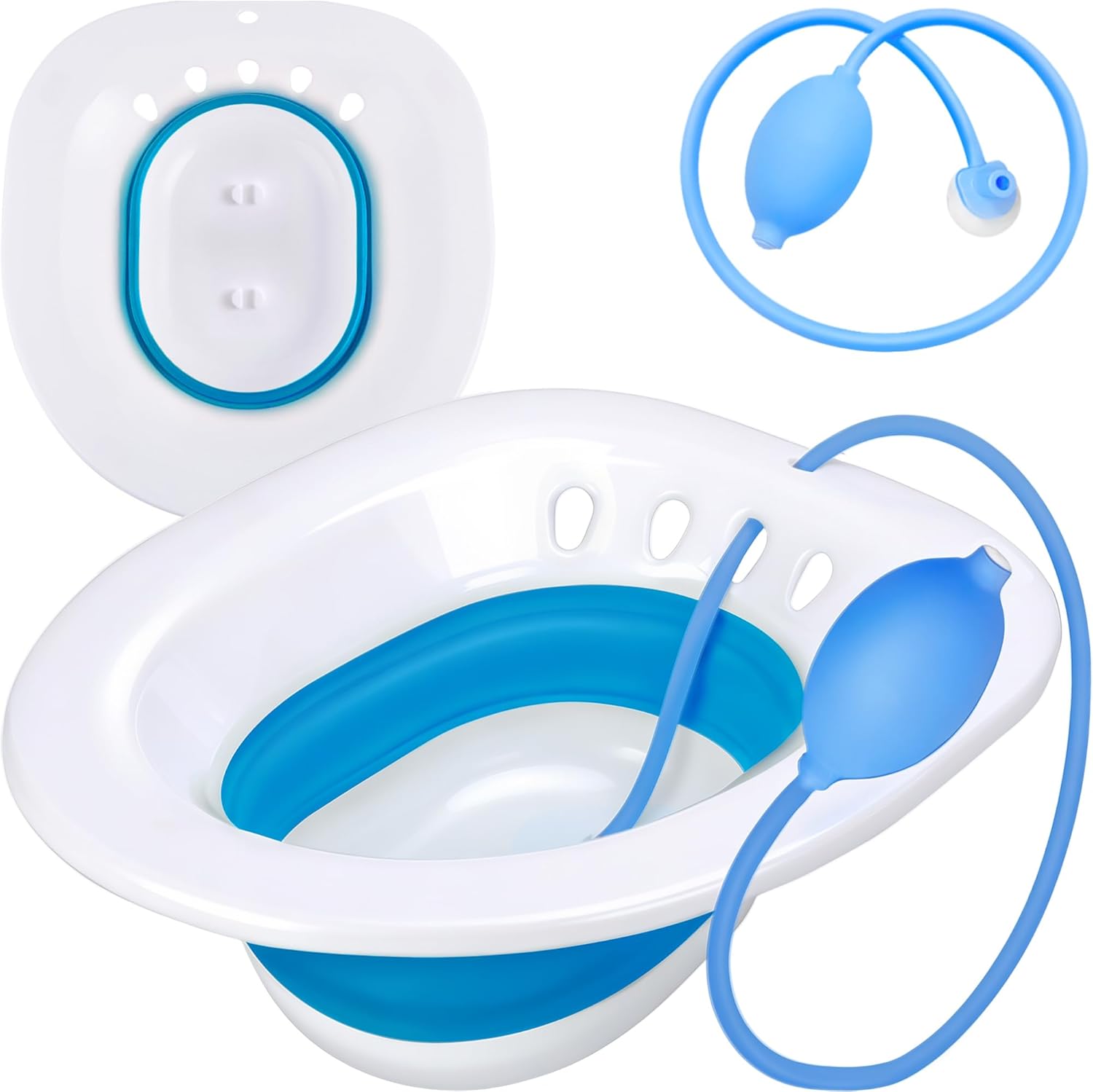
Collapsible sitz bath with flusher hose and wider seating.
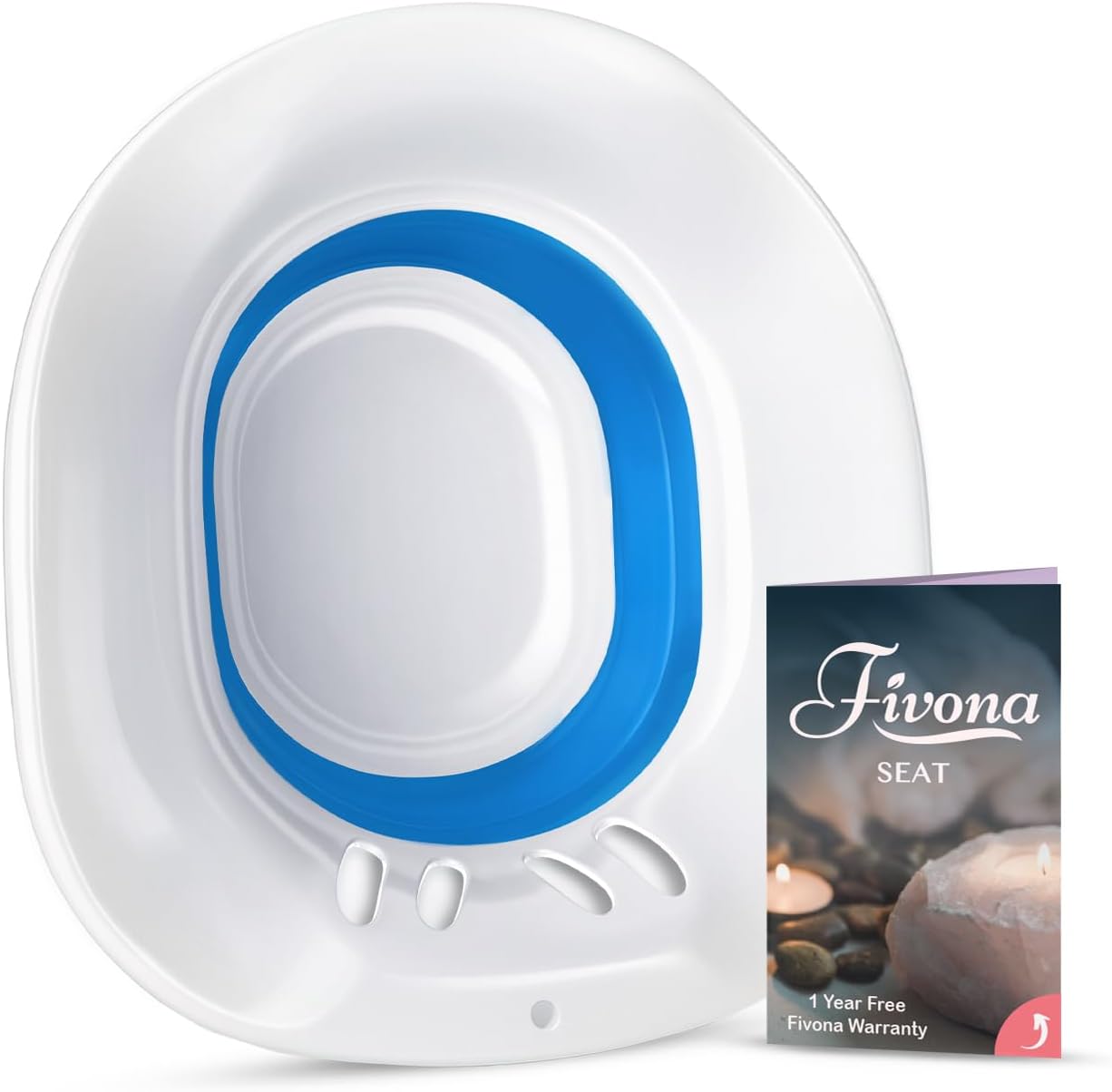
Foldable sitz bath with universal fit and ergonomic design.
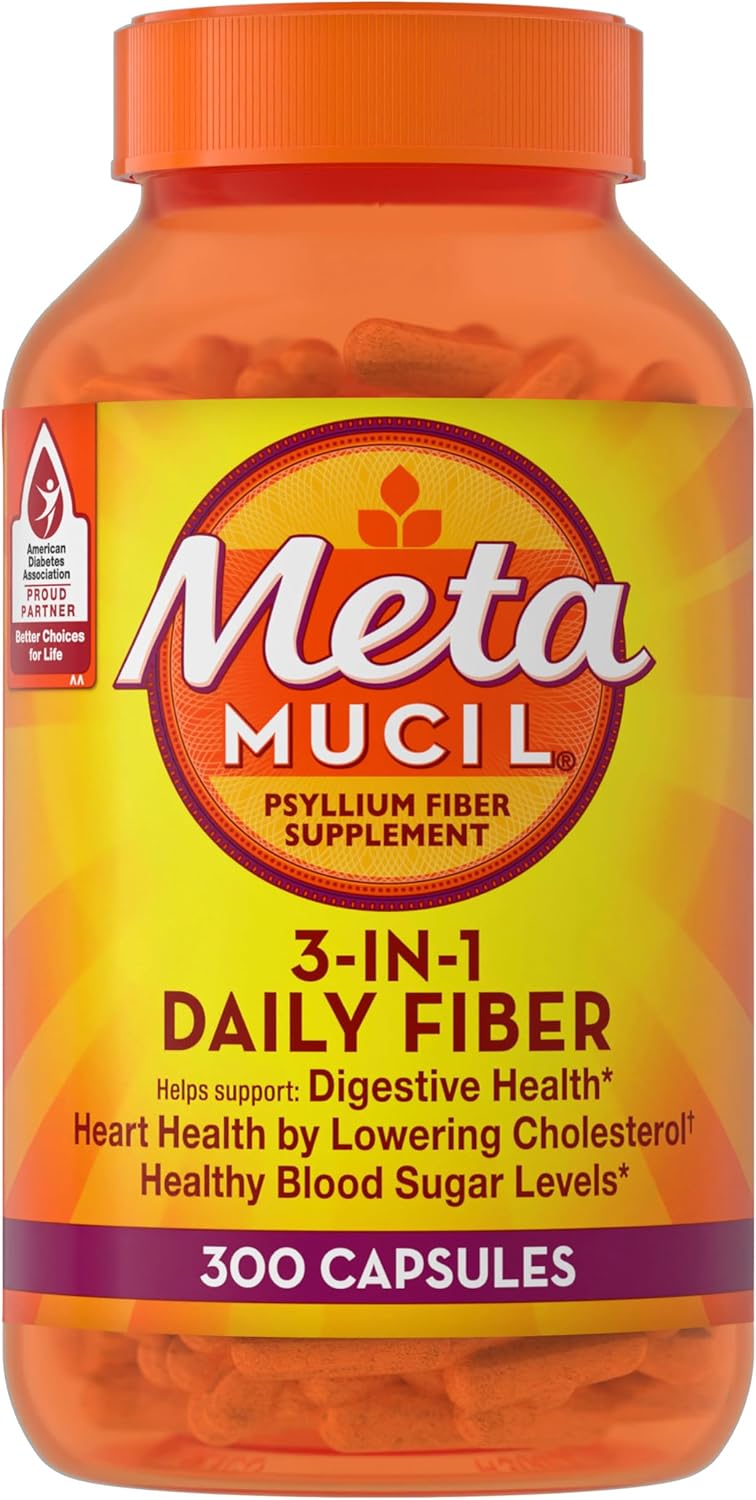
Psyllium fiber supplement to soften stool and reduce straining.
Sources & References
- Hemorrhoids — National Institute of Diabetes and Digestive and Kidney Diseases (NIDDK). Accessed February 10, 2026.
- Hemorrhoids - Symptoms and Causes — Mayo Clinic. Accessed February 10, 2026.
- Hemorrhoids: Symptoms, Causes & Treatment — Cleveland Clinic. Accessed February 10, 2026.
- Hemorrhoids and What to Do About Them — Harvard Health Publishing. Accessed February 10, 2026.
Related Articles
Internal vs External Hemorrhoids: Key Differences Explained
Learn the differences between internal and external hemorrhoids, including symptoms, causes, and treatment approaches for each type.
Why Do Hemorrhoids Bleed? When to Worry
Rectal bleeding can be alarming. Learn why hemorrhoids bleed, what the blood looks like, and when bleeding requires medical attention.
Hemorrhoids During Pregnancy: Causes and Safe Relief
Up to 50% of pregnant women develop hemorrhoids. Learn why pregnancy causes hemorrhoids and which treatments are safe during pregnancy.
Written by the HemorrhoidCareGuide Team
Dedicated to helping people find relief through education and honest product recommendations.
Medical Disclaimer: This content is for informational purposes only and does not constitute medical advice. Always consult with a qualified healthcare provider for diagnosis and treatment of hemorrhoids or any medical condition.
Find Your Hemorrhoid Type
Take our free 2-minute assessment to identify your hemorrhoid type and get personalized product recommendations.
Take the Free AssessmentRelated Articles
Internal vs External Hemorrhoids: Key Differences Explained
Learn the differences between internal and external hemorrhoids, including symptoms, causes, and treatment approaches for each type.
Why Do Hemorrhoids Bleed? When to Worry
Rectal bleeding can be alarming. Learn why hemorrhoids bleed, what the blood looks like, and when bleeding requires medical attention.