Hemorrhoids vs Colorectal Cancer: Knowing the Difference
Hemorrhoids vs Colorectal Cancer: Know the Difference
Rectal bleeding is often caused by hemorrhoids, but it can also be a sign of colorectal cancer. Here's how to tell the difference and when to get checked.
Why This Matters
- Hemorrhoids affect 50%+ of adults
- Colorectal cancer is the 3rd most common cancer
- Both can cause rectal bleeding
- Early detection of cancer saves lives
Key Differences
Hemorrhoid Bleeding
- Color: Bright red (fresh blood)
- Location: On toilet paper, on stool surface, or in bowl
- Pattern: During or after bowel movements
- Amount: Usually small amounts
- Other symptoms: Itching, lump, discomfort
Colorectal Cancer Warning Signs
- Color: Can be dark red, maroon, or mixed into stool
- Pattern: May occur without bowel movements
- Other symptoms: Weight loss, fatigue, changes in bowel habits
Symptom Comparison Chart
| Symptom | Hemorrhoids | Colorectal Cancer |
|---|---|---|
| Bright red blood | Common | Less common |
| Dark or black blood | Rare | More common |
| Blood mixed in stool | No | Yes |
| Unexplained weight loss | No | Possible |
| Change in stool shape | No | Pencil-thin possible |
| Persistent bowel changes | No | Yes |
| Fatigue | No | Possible |
| Abdominal pain | No | Possible |
| Feeling of incomplete evacuation | Sometimes | Sometimes |
When to Get Checked
See a doctor immediately if you have:
- Bleeding with any concerning features
- Unexplained weight loss
- Persistent changes in bowel habits
- Family history of colorectal cancer
- Age 45+ with new bleeding
The age 45 rule: Colorectal cancer screening (colonoscopy) is now recommended starting at age 45 for average-risk individuals.
Risk Factors for Colorectal Cancer
Non-modifiable:
- Age (risk increases after 45)
- Family history of colorectal cancer or polyps
- Personal history of polyps
- Inflammatory bowel disease
- Certain genetic syndromes
Modifiable:
- Obesity
- Physical inactivity
- Diet high in red/processed meats
- Smoking
- Heavy alcohol use
Don't Self-Diagnose
The most important message: Don't assume bleeding is just hemorrhoids.
Many people delay evaluation because they assume their symptoms are hemorrhoids. This can lead to late-stage cancer diagnosis.
The Colonoscopy: Not as Bad as You Think
If you need a colonoscopy:
- Prep is the hardest part
- Procedure itself is under sedation
- Takes about 30 minutes
- Can remove polyps during exam
- Could save your life
What Happens at Your Appointment
Your doctor will: 1. Ask about your symptoms and history 2. Perform a physical exam 3. May do a digital rectal exam 4. May order blood tests 5. Recommend colonoscopy if indicated
Key Takeaways
1. Don't assume bleeding is hemorrhoids 2. Get screened starting at age 45 3. Know your risk factors 4. Watch for warning signs 5. See a doctor if symptoms don't match typical hemorrhoids
The Bottom Line
Hemorrhoids are common and usually not serious. Colorectal cancer is treatable when caught early.
The only way to know for sure is to get checked. Don't let embarrassment or fear of the colonoscopy put your health at risk.
For related reading, learn when to see a doctor for hemorrhoids, understand why hemorrhoids bleed, and see our visual guide on what hemorrhoids look like. If hemorrhoids are confirmed, browse our best hemorrhoid cream recommendations.
Understand your symptoms better with our hemorrhoid assessment quiz. But remember: it's not a substitute for medical evaluation if you have concerning symptoms.
Recommended Products
Disclosure: This page contains affiliate links. As an Amazon Associate we earn from qualifying purchases, at no extra cost to you.
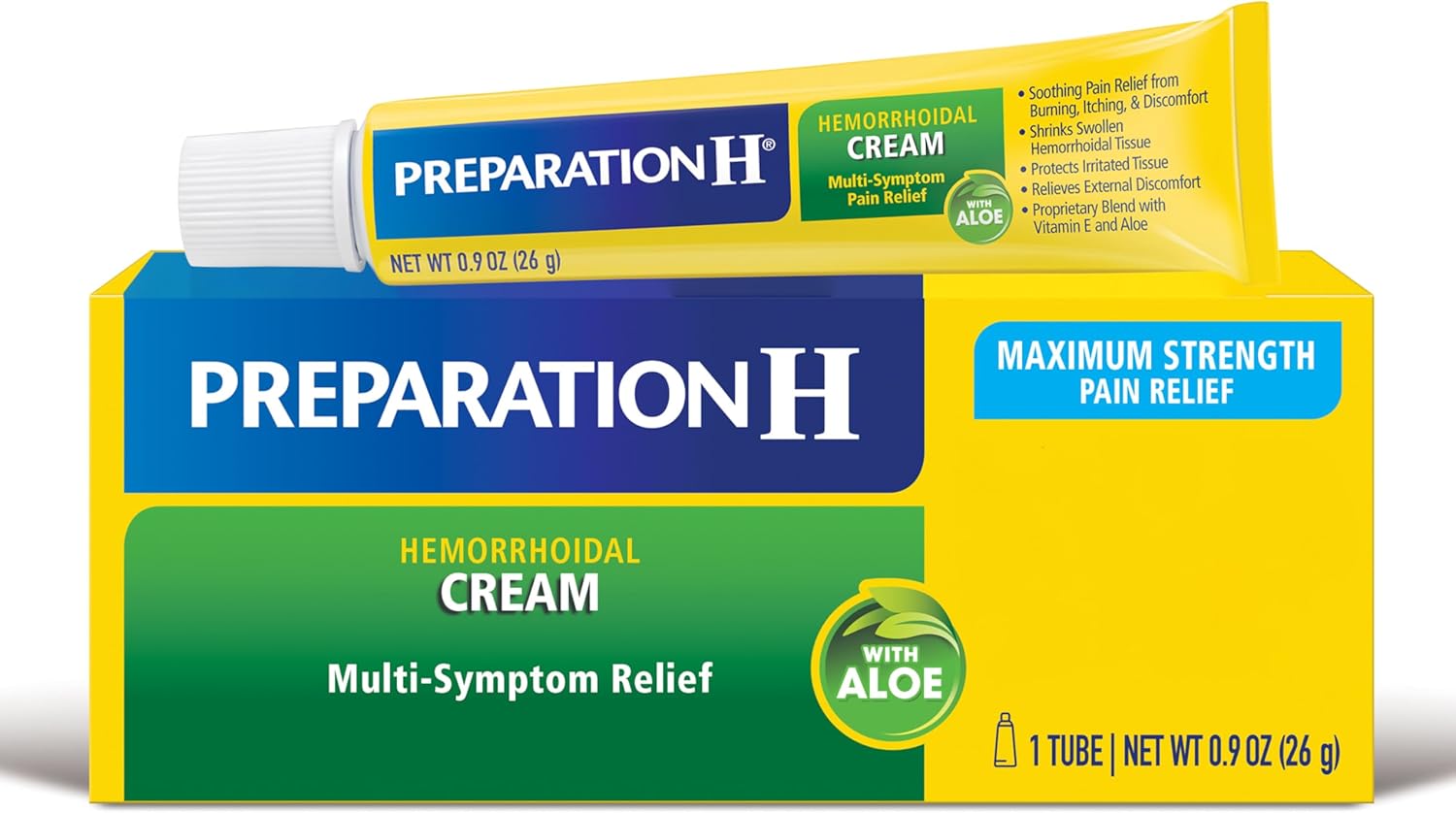
Maximum strength cream for pain, burning, and itching relief.
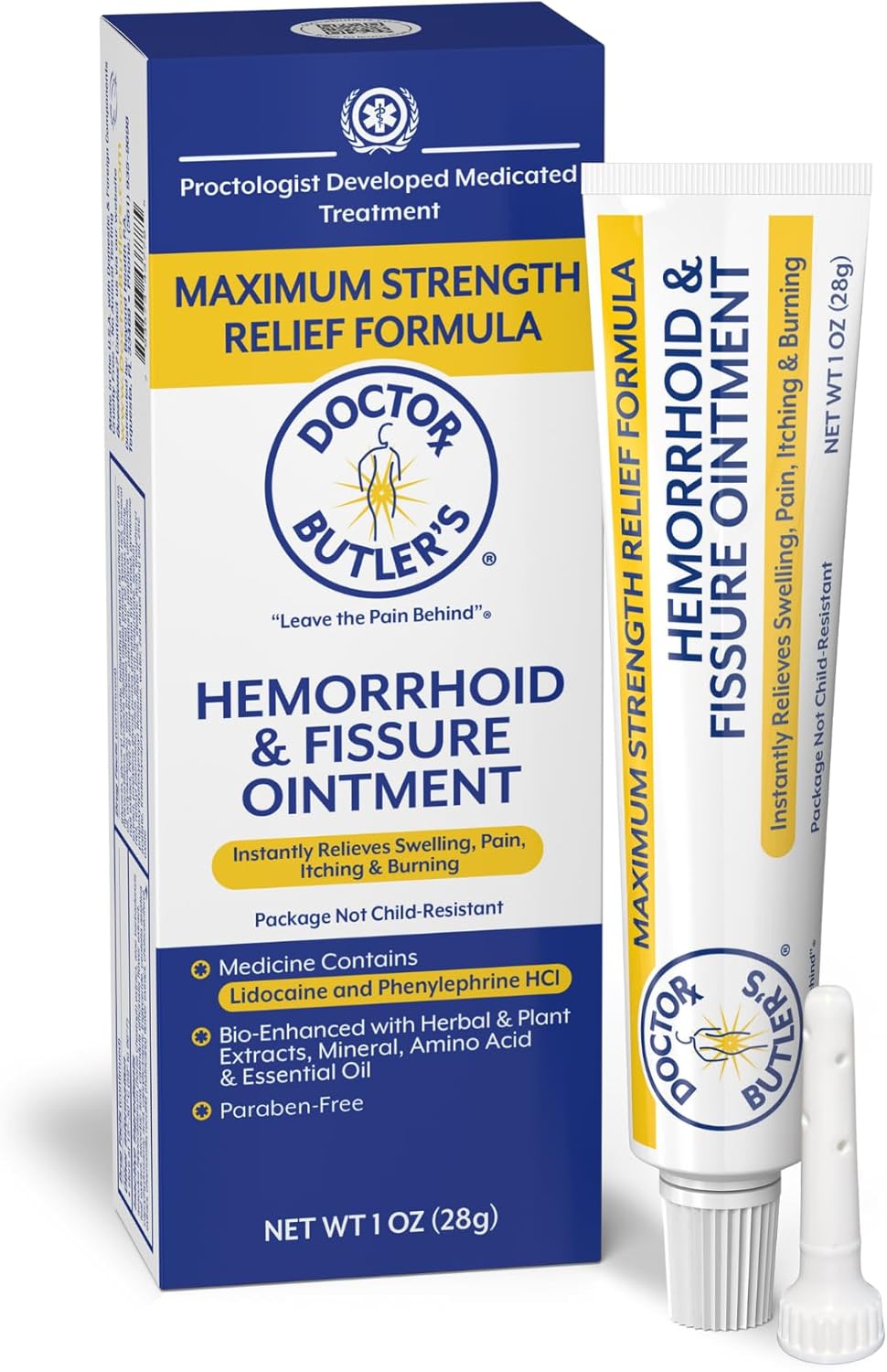
Proctologist-formulated ointment with lidocaine for fast relief.
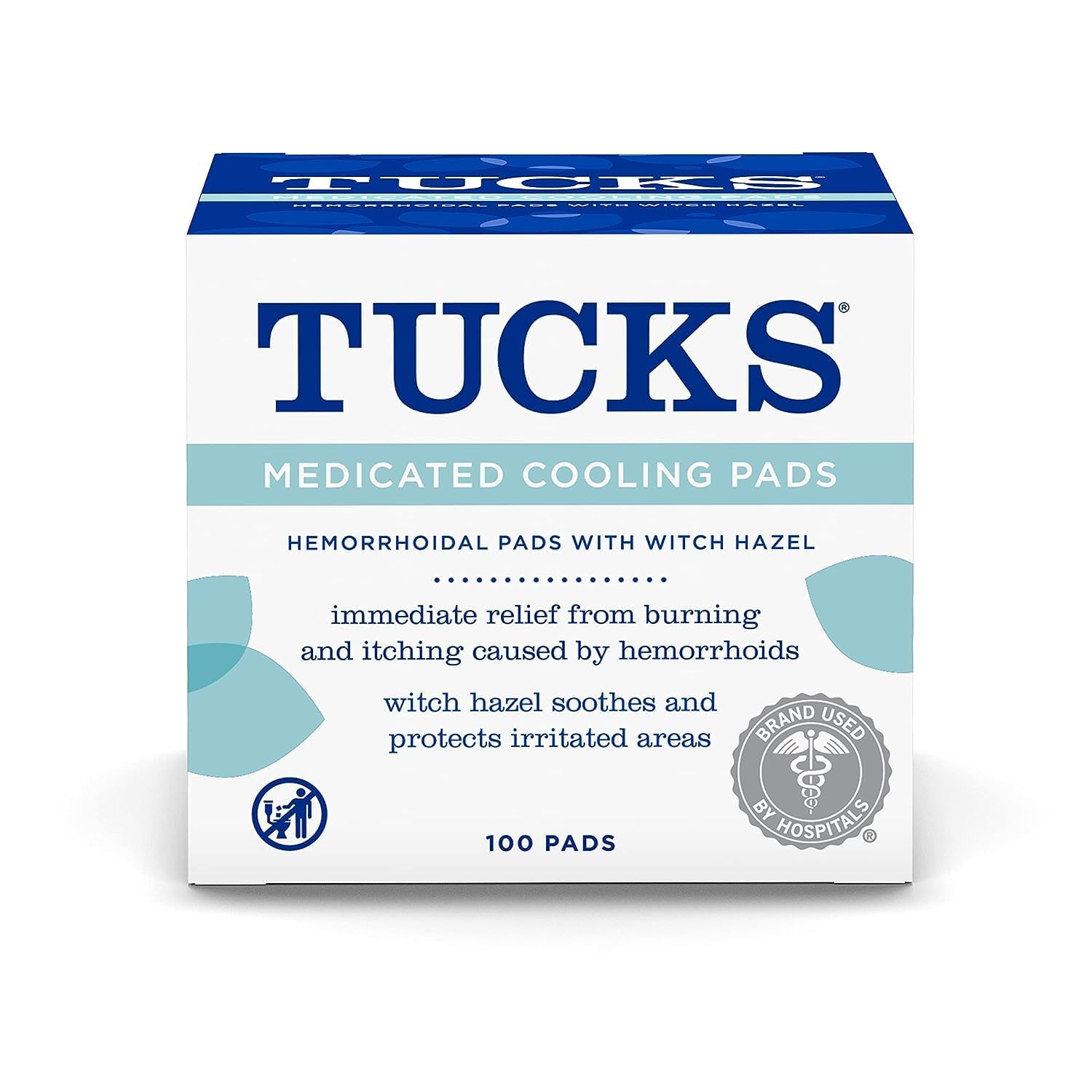
Witch hazel pads for soothing relief and gentle cleansing.
Sources & References
- Hemorrhoids — National Institute of Diabetes and Digestive and Kidney Diseases (NIDDK). Accessed February 10, 2026.
- Hemorrhoids - Symptoms and Causes — Mayo Clinic. Accessed February 10, 2026.
- Hemorrhoids: Symptoms, Causes & Treatment — Cleveland Clinic. Accessed February 10, 2026.
Related Articles
Hemorrhoid Banding: What to Expect
Rubber band ligation is the most common office procedure for hemorrhoids. Learn about the process, recovery, and what to expect.
Thrombosed Hemorrhoid: Emergency or Not?
A thrombosed hemorrhoid causes sudden, severe pain. Learn when it is an emergency and when you can wait.
What Causes Hemorrhoids? The Complete Guide
Understanding why hemorrhoids develop is the first step to prevention and relief. Learn about the anatomy, risk factors, and common triggers.
Written by the HemorrhoidCareGuide Team
Dedicated to helping people find relief through education and honest product recommendations.
Medical Disclaimer: This content is for informational purposes only and does not constitute medical advice. Always consult with a qualified healthcare provider for diagnosis and treatment of hemorrhoids or any medical condition.
Find Your Hemorrhoid Type
Take our free 2-minute assessment to identify your hemorrhoid type and get personalized product recommendations.
Take the Free AssessmentRelated Articles
Hemorrhoid Banding: What to Expect
Rubber band ligation is the most common office procedure for hemorrhoids. Learn about the process, recovery, and what to expect.
Thrombosed Hemorrhoid: Emergency or Not?
A thrombosed hemorrhoid causes sudden, severe pain. Learn when it is an emergency and when you can wait.