Best Hemorrhoid Cream: Top Picks for Fast Relief
Choosing the right hemorrhoid cream depends on your primary symptom — pain, swelling, itching, or bleeding. Some creams numb, others shrink swollen tissue, and some reduce inflammation. We've reviewed the top-rated hemorrhoid creams across all categories to help you find fast, effective relief, with a strong focus on external hemorrhoid treatments where topical creams work best.
Quick Comparison
Detailed Product Reviews
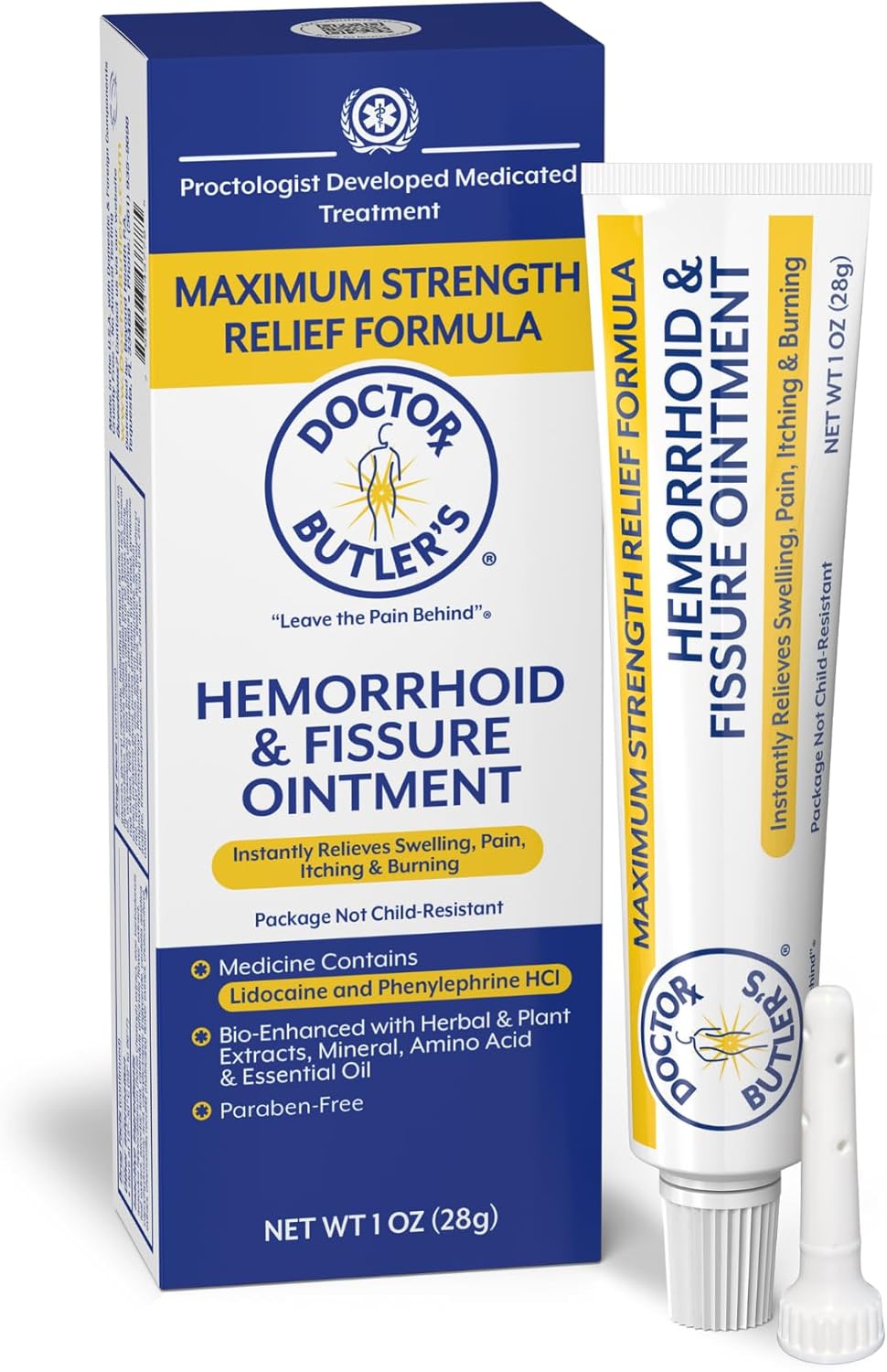
Doctor Butler's Hemorrhoid & Fissure Ointment
Proctologist-formulated ointment with lidocaine for fast relief.
- +Formulated by a board-certified proctologist
- +Contains lidocaine for fast numbing relief
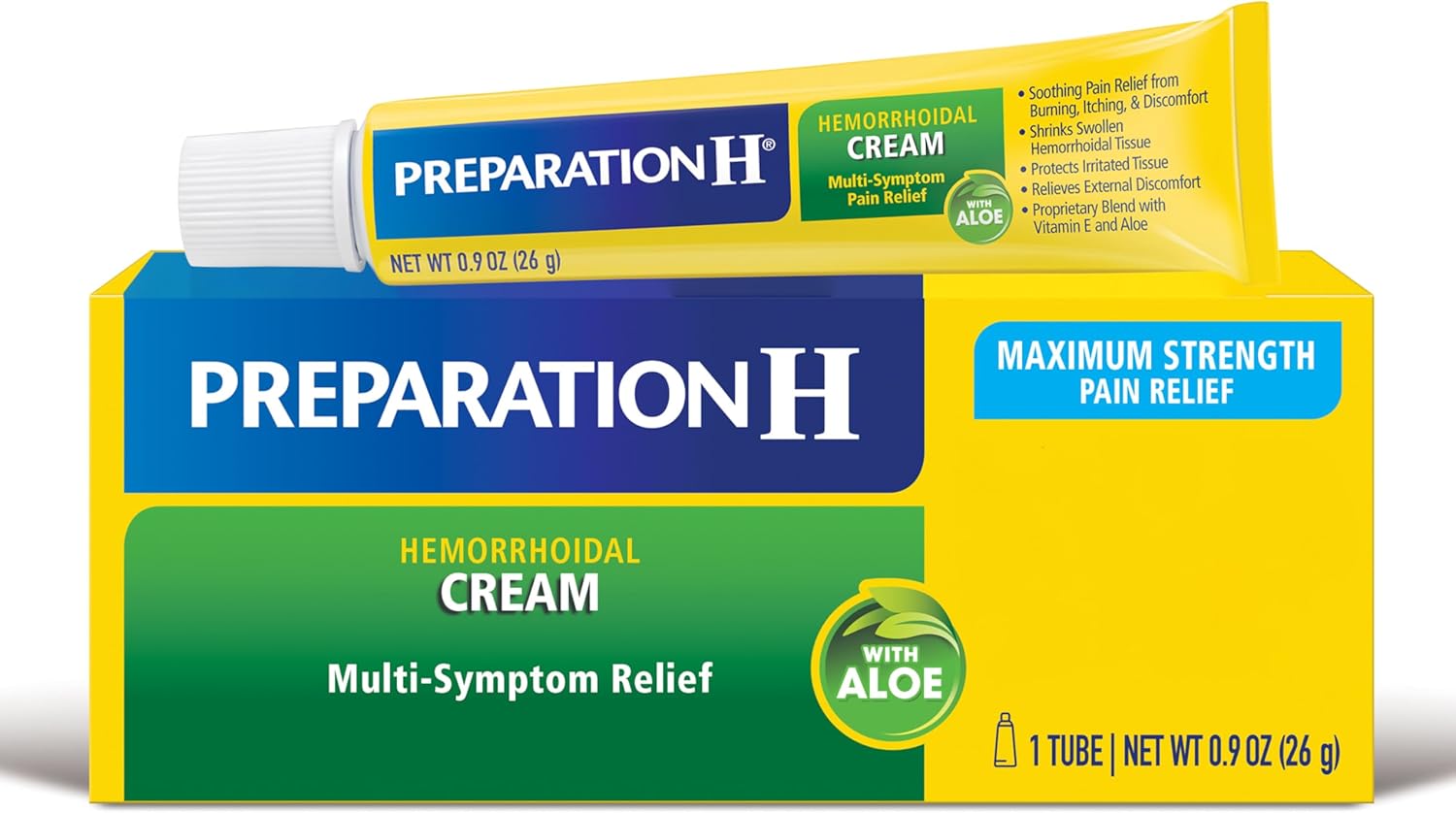
Preparation H Maximum Strength Cream
Maximum strength cream for pain, burning, and itching relief.
- +Fast-acting pain relief
- +Shrinks swollen hemorrhoid tissue
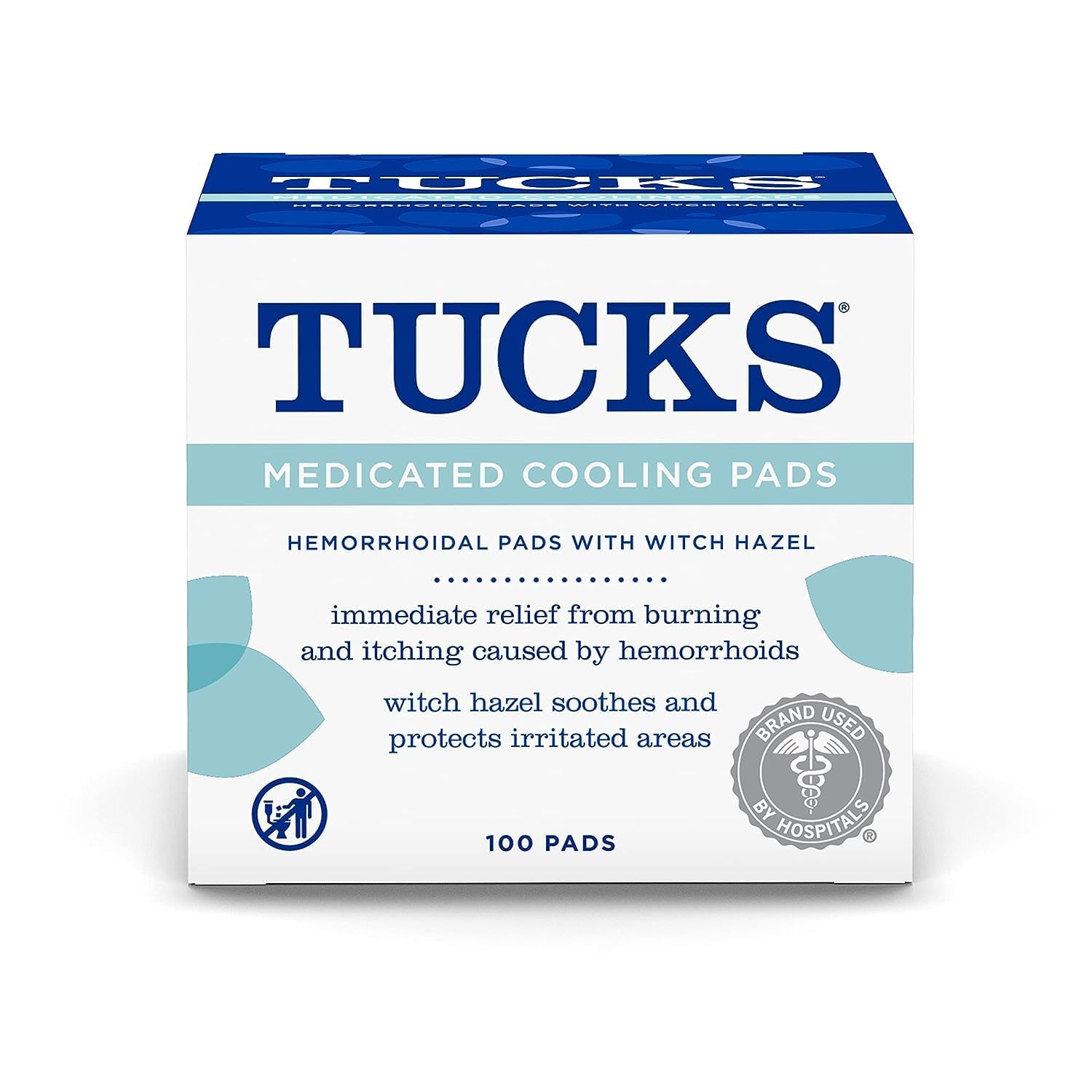
Tucks Medicated Cooling Pads
Witch hazel pads for soothing relief and gentle cleansing.
- +Natural witch hazel formula
- +Cooling and soothing sensation
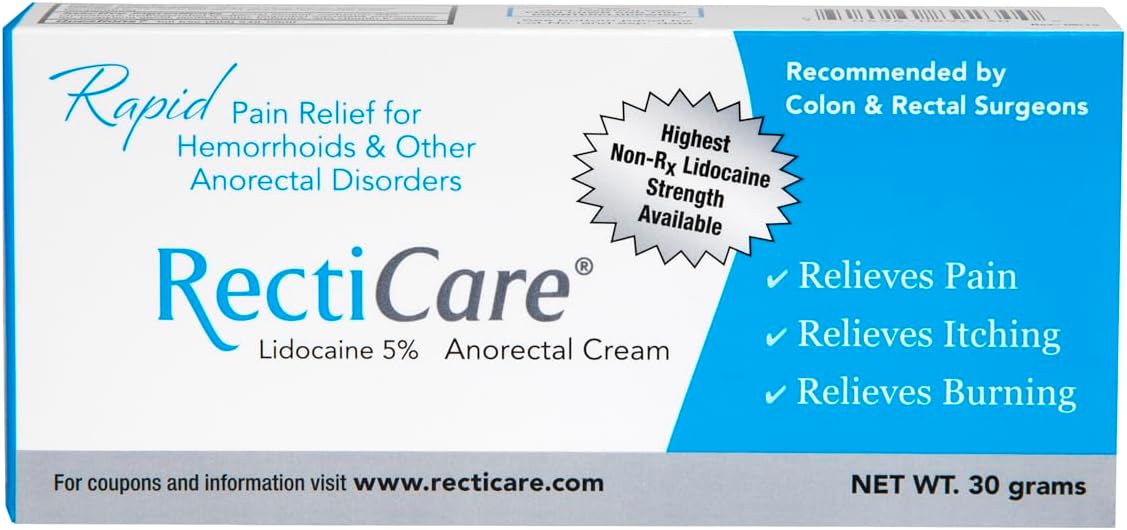
RectiCare Anorectal Lidocaine 5% Cream
Maximum strength 5% lidocaine for severe pain relief.
- +Maximum OTC lidocaine strength (5%)
- +Fast-acting numbing relief
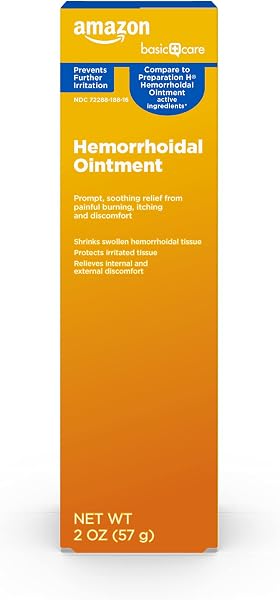
Amazon Basic Care Hemorrhoidal Ointment
Budget hemorrhoidal ointment with the same active as name brands.
- +Excellent value for a phenylephrine ointment
- +Phenylephrine helps shrink swollen tissue
Not sure which product is right for you? Our free 2-minute assessment identifies your hemorrhoid type and recommends the best products.
Take the Free AssessmentStrongest Numbing vs Shrinking Creams: Which Do You Actually Need?
"Best hemorrhoid cream" is really three different questions, and the right answer depends on which symptom is bothering you most. Hemorrhoid creams do their work through distinct active-ingredient classes — matching the ingredient to your dominant symptom matters far more than the brand on the tube.
If your main problem is pain: the strongest numbing creams
When sharp pain is the dominant symptom, you want a local anesthetic — lidocaine or pramoxine — which blocks the nerve signals that carry pain. The strongest numbing option available over the counter is 5% lidocaine, the maximum OTC concentration, found in RectiCare Anorectal Cream. For strong numbing plus a shrinking action in one tube, Doctor Butler's pairs 4% lidocaine with phenylephrine. Anesthetic creams relieve pain fast but are meant for short-term use.
If your main problem is swelling: shrinking creams
When the dominant complaint is a swollen, engorged external hemorrhoid, you want a vasoconstrictor — phenylephrine — which narrows the small blood vessels feeding the hemorrhoid so the tissue shrinks. This is the "active shrinking" mechanism in Preparation H Maximum Strength and the value-priced Amazon Basic Care ointment. If you have heart disease, high blood pressure, or take related medication, check with a doctor before using a vasoconstrictor.
External vs internal hemorrhoids
Creams and ointments are designed for external hemorrhoids and the external opening. They cannot treat internal hemorrhoids higher in the anal canal, where fiber, sitz baths, and — for bleeding or persistent symptoms — a doctor's evaluation are the right tools. If you are not sure which type you have, our guide on internal vs external hemorrhoids helps you tell them apart. Seek medical care for heavy or persistent rectal bleeding, severe pain, or a hard, acutely painful lump.
How We Evaluate Hemorrhoid Creams
Our editorial team evaluates hemorrhoid creams using a structured methodology designed to match products with the right patients. We do not test products on ourselves or make claims about personal use. Instead, our evaluation process draws on publicly available clinical data, manufacturer disclosures, and aggregate user feedback.
Evaluation Criteria
Active Ingredient Analysis. We examine each product's active ingredients against published pharmacological data. For hemorrhoid creams, the key ingredients fall into distinct functional categories: vasoconstrictors (like phenylephrine), local anesthetics (like lidocaine and pramoxine), anti-inflammatories (like hydrocortisone), and astringents (like witch hazel). We assess whether each product's ingredient profile matches its marketing claims and whether the concentrations used are within therapeutic ranges established in FDA monographs for anorectal products.
Clinical Evidence. We review available clinical literature for each active ingredient, not the branded product itself. Most OTC hemorrhoid creams use ingredients covered under the FDA's OTC Anorectal Drug Products monograph (21 CFR Part 346), which establishes safe and effective concentrations. We note when a product uses ingredients at the FDA-approved OTC concentration versus sub-therapeutic amounts.
User Experience. We aggregate user reviews from Amazon, focusing on products with a substantial base of verified-purchase reviews. We weight recent reviews (within 12 months) more heavily and look for consistent patterns in reported effectiveness, ease of application, side effects, and value. A single 5-star review means little; consistent feedback across thousands of users reveals genuine product performance.
Safety Profile. We identify contraindications, drug interactions, and maximum use durations for each product. This is particularly important for hydrocortisone products (limited to 7 days) and products containing phenylephrine (which can affect blood pressure in rare cases). Pregnancy and breastfeeding safety is assessed using NIH LactMed data and ACOG guidelines where available.
Price and Value. We compare cost per application rather than total package price, since tube sizes and application frequencies vary. A pricier product that lasts 2 weeks may offer better value than a cheaper product that lasts 5 days.
What We Don't Do
We do not claim to have medically tested these products. We do not accept payment from manufacturers for reviews or placement. Product rankings are determined by our editorial evaluation criteria, not sponsorship. Our affiliate relationships with Amazon do not influence which products we recommend or how we rank them. We earn the same commission rate regardless of which product a reader chooses.
Disclosure: We are not medical professionals; our guidance is researched against reputable medical sources but should not replace professional medical advice. When hemorrhoid symptoms are severe or persistent, we always recommend consulting a healthcare provider. See our editorial policy for full details on our review process.
Ingredient Science: How Hemorrhoid Creams Work
Understanding active ingredients helps you choose the right cream for your specific symptoms. Different ingredients target different problems, and knowing which ingredient does what prevents you from buying a product that doesn't address your primary complaint.
Vasoconstrictors: Phenylephrine
Phenylephrine is a sympathomimetic amine that causes blood vessels to constrict. In hemorrhoid creams, this directly addresses the core problem: swollen blood vessels in the anorectal area. When applied topically at the FDA-approved OTC concentration of 0.25%, phenylephrine narrows the distended hemorrhoidal vessels, reducing the size of the hemorrhoid and relieving the pressure that causes pain.
Phenylephrine is the active shrinking ingredient in Preparation H Maximum Strength and several other formulations. It provides noticeable size reduction within 15–30 minutes of application but does not provide direct pain relief. For that, it is typically combined with a local anesthetic.
Safety note: Phenylephrine can theoretically raise blood pressure through systemic absorption, though this is rare with topical anorectal application at OTC concentrations. People with uncontrolled hypertension, thyroid disease, or diabetes should consult their physician before use. Learn more about when to consult a doctor about hemorrhoids.
Local Anesthetics: Lidocaine and Pramoxine
Local anesthetics block nerve signal transmission, numbing the affected area. Two are commonly used in hemorrhoid creams:
Lidocaine is available in OTC concentrations up to 5%. It is the most potent OTC numbing agent for hemorrhoids and is the primary active ingredient in RectiCare Anorectal Cream. Lidocaine provides significant pain relief within 5–10 minutes and lasts 1–2 hours per application. It is also used at higher concentrations (4%) in Doctor Butler's Hemorrhoid Cream.
Pramoxine is a milder local anesthetic found in many Preparation H formulations. At 1% concentration, it provides moderate pain relief with a lower risk of allergic reaction than lidocaine. Pramoxine is often preferred for patients who need pain relief alongside other active ingredients.
Both anesthetics are safe for repeated daily use within product directions. Allergic reactions are uncommon but possible. If you develop increased burning, redness, or swelling after application, discontinue use.
Anti-Inflammatory: Hydrocortisone
Hydrocortisone is a mild corticosteroid available OTC at 0.5–1% concentration. It reduces the inflammatory response that causes itching, swelling, and redness. For hemorrhoids, hydrocortisone is the most effective OTC ingredient for intense itching and inflammatory flare-ups.
Critical limitation: OTC hydrocortisone should not be used for more than 7 consecutive days without physician supervision. Prolonged use can thin the already-sensitive perianal skin, potentially worsening the condition. This makes hydrocortisone products best suited for acute flare-ups rather than ongoing maintenance.
Prescription-strength hydrocortisone (2.5%) and other corticosteroids are available for severe cases but require a doctor's evaluation. If OTC hydrocortisone is not providing adequate relief within 7 days, escalation to a physician is the appropriate next step.
Astringents: Witch Hazel
Witch hazel (Hamamelis virginiana) contains tannins that cause mild tissue contraction, reducing swelling and weeping. It is the most widely used natural ingredient in hemorrhoid care and is the sole active ingredient in Tucks Medicated Pads. Research supports its mild anti-inflammatory and hemostatic properties, though it is generally less potent than pharmaceutical alternatives for significant symptoms.
Witch hazel is safe for extended use and has no known maximum treatment duration, making it suitable for ongoing maintenance. It works well as a cleansing agent after bowel movements and can be combined safely with any of the ingredients above. For a deeper look, see our witch hazel product guide.
Skin Protectants: Zinc Oxide and Petrolatum
Skin protectants create a physical barrier between irritated hemorrhoid tissue and stool, moisture, and friction. Zinc oxide and petrolatum (petroleum jelly) are the most common. They do not actively treat hemorrhoids but prevent further irritation, which allows natural healing to proceed. Many multi-ingredient products include a protectant alongside an active treatment ingredient.
OTC vs. Prescription: When to Upgrade
All ingredients discussed above are available without a prescription in the concentrations listed. Prescription hemorrhoid treatments include stronger corticosteroids (hydrocortisone 2.5%, fluocinolone) for severe inflammation, higher-concentration lidocaine for intense pain, nitroglycerin ointment (0.4%) for internal hemorrhoids that relaxes the anal sphincter, and nifedipine cream for chronic anal fissures that co-occur with hemorrhoids.
If OTC creams are not providing adequate relief after 1–2 weeks of consistent use, a physician can evaluate whether prescription-strength treatment is warranted. Learn how to shrink hemorrhoids fast using both OTC and prescription approaches.
Who Should Use Hemorrhoid Cream (and Who Should Not)
Ideal Candidates for Topical Creams
- External hemorrhoids with pain, itching, or swelling. This is the primary use case for topical treatments, since the cream directly contacts the affected tissue.
- Mild to moderate symptoms. If you can manage daily activities with some discomfort, OTC creams are a reasonable first-line treatment.
- Acute flare-ups as part of a broader treatment plan that includes dietary changes and behavioral modifications.
- Post-procedure care. Creams can soothe the area after rubber band ligation or other office procedures.
Who Should NOT Rely on Cream Alone
- Internal hemorrhoids that do not protrude. Cream applied externally cannot reach internal hemorrhoid tissue above the dentate line. Internal hemorrhoids require suppositories, dietary management, or medical procedures. See our guide on internal vs external hemorrhoids for identification help.
- Prolapsed hemorrhoids (Grade 3–4). Tissue that cannot be pushed back inside typically requires medical intervention. Cream may provide temporary symptom relief but will not resolve the prolapse.
- Thrombosed hemorrhoids with severe pain. A blood clot inside an external hemorrhoid causing severe pain within the first 72 hours is best addressed by a physician who can drain the clot. See our guide on thrombosed hemorrhoid emergencies.
- Recurring hemorrhoids without lifestyle changes. If hemorrhoids keep coming back, cream is treating the symptom, not the cause. Dietary fiber, hydration, and bathroom habit changes are necessary for long-term prevention.
Special Populations
- Pregnant women: Many hemorrhoid creams are safe during pregnancy, but not all. Witch hazel products are generally the safest option. Avoid hydrocortisone unless approved by your OB. See our pregnancy-safe treatment guide.
- Breastfeeding mothers: Most topical hemorrhoid treatments have negligible systemic absorption and are compatible with breastfeeding. See our postpartum hemorrhoid recovery guide for details.
- Children under 12: Hemorrhoid creams are formulated for adults. Pediatric anorectal symptoms require evaluation by a pediatrician.
- People with heart conditions or hypertension: Use caution with phenylephrine-containing products and consult your physician.
What to Expect: A Realistic Treatment Timeline
Setting realistic expectations prevents frustration and helps you know when it's time to seek medical help rather than trying another OTC product.
First 15–30 minutes: Pain-relieving ingredients (lidocaine, pramoxine) and vasoconstrictors (phenylephrine) provide noticeable symptom reduction. This is not healing — it is temporary relief that lasts 1–4 hours depending on the product and severity.
Days 1–3: With consistent application (typically 3–4 times daily and after bowel movements), you should notice a reduction in symptom severity between applications. Swelling begins to decrease, and itching becomes less persistent. Combining cream with sitz baths and a fiber supplement accelerates improvement.
Days 4–7: Most mild external hemorrhoids show significant improvement by this point. Swelling is noticeably reduced, pain is manageable or gone, and itching is intermittent rather than constant. Hydrocortisone-containing products should be discontinued at the 7-day mark.
Weeks 1–2: Mild to moderate hemorrhoids typically resolve or become asymptomatic. You may still have a small skin tag where the hemorrhoid was, which is harmless residual tissue.
Beyond 2 weeks: If symptoms persist after 2 weeks of consistent OTC treatment, the hemorrhoid is either too severe for topical treatment alone or there is an underlying issue (ongoing constipation, prolonged sitting) maintaining the condition. This is the point to see a doctor. Learn more about how long hemorrhoids typically last for different types and severities.
When Cream Is Not Enough: Alternatives and Next Steps
Topical creams are one tool in a larger treatment toolkit. If creams alone are not resolving your hemorrhoids, consider these alternatives and escalation paths.
Non-Cream Home Treatments
- Sitz baths: Warm water soaks increase blood flow and reduce swelling. Many physicians recommend sitz baths as a first-line treatment alongside or instead of creams. See our sitz bath buying guide.
- Fiber supplements: Soft stools eliminate straining, which is the primary cause of hemorrhoid flare-ups. A quality fiber supplement addresses the root cause rather than just the symptoms.
- Hemorrhoid cushions: Reducing sitting pressure helps hemorrhoids heal. A donut cushion is especially valuable for desk workers. Learn more about managing hemorrhoids at a desk job.
- Gentle hygiene: Switching from toilet paper to medicated wipes or a bidet reduces friction-related irritation.
Medical Procedures
When home treatments fail after 2–4 weeks, physicians can offer minimally invasive procedures:
- Rubber band ligation: The most common office procedure for internal hemorrhoids. A small band cuts off blood supply, causing the hemorrhoid to shrink and fall off within a week. See our guide on hemorrhoid banding.
- Sclerotherapy: A chemical injection that shrinks the hemorrhoid. Best for smaller hemorrhoids.
- Infrared coagulation: Heat treatment that causes scar tissue formation, cutting off hemorrhoid blood supply.
- Hemorrhoidectomy: Surgical removal, reserved for severe cases that do not respond to other treatments.
When to See a Doctor
Consult a healthcare provider if:
- Symptoms do not improve after 2 weeks of consistent home treatment
- Pain is severe enough to interfere with daily activities
- Bleeding is heavy or occurs outside of bowel movements
- You notice dark red or black blood (possible sign of a more serious condition)
- A hard, painful lump appears suddenly (possible thrombosed hemorrhoid)
- You are over 45 with new rectal bleeding (colorectal screening recommended)
You can compare all hemorrhoid relief products to find the best combination for your situation.
Frequently Asked Questions
Related Buying Guides
Comparing your options? Explore our other hemorrhoid product guides:
Related Articles
Learn more about hemorrhoid care with these helpful guides:
Find Your Perfect Treatment
Get personalized product recommendations based on your specific hemorrhoid type.
Affiliate Disclosure: We may earn a commission when you purchase through our links, at no additional cost to you. This helps support our research and content creation. We only recommend products we believe are effective for hemorrhoid relief. Last updated: January 2026.