Can Hemorrhoids Go Away on Their Own? What to Expect
Can Hemorrhoids Go Away on Their Own?
One of the most common questions about hemorrhoids is whether they will go away without treatment. The answer depends on the type and severity of your hemorrhoids.
The Short Answer
Yes, many hemorrhoids do go away on their own - but not all of them. Here is what determines whether yours will resolve naturally:
Hemorrhoids That Often Heal Naturally
Small internal hemorrhoids (Grade 1-2):
- Often resolve within a few days to 2 weeks
- May shrink with improved diet and a fiber supplement
- Usually don't require medical intervention
Minor external hemorrhoids:
- Small swellings often subside within days
- Respond well to home treatment
- Usually heal completely
Mild flare-ups:
- Temporary worsening of existing hemorrhoids
- Typically resolve within 1-2 weeks
- Respond to dietary changes
Hemorrhoids That Typically Need Treatment
Large or prolapsed hemorrhoids (Grade 3-4):
- Won't resolve on their own
- May require medical procedures
- Can worsen without treatment
Thrombosed hemorrhoids:
- Blood clot forms inside hemorrhoid
- Pain peaks within 48-72 hours
- May need drainage for relief (though clot eventually reabsorbs)
Chronic hemorrhoids:
- Recurring symptoms
- Structural damage present
- Usually need medical intervention
Timeline: How Long Until Hemorrhoids Go Away?
| Type | Natural Resolution Time | Notes |
|---|---|---|
| Mild internal | 2-7 days | With dietary changes |
| Moderate internal | 1-2 weeks | May need OTC treatment |
| External (minor) | 3-7 days | With proper care |
| Thrombosed | 2-4 weeks | Pain peaks then decreases |
| Prolapsed (Grade 3-4) | Won't resolve | Needs medical treatment |
For a more detailed breakdown, see our complete guide on how long hemorrhoids typically last.
What Helps Hemorrhoids Go Away Faster
Immediate Changes
1. Increase fiber intake to 25-30g daily 2. Drink 8+ glasses of water per day 3. Don't strain during bowel movements 4. Limit toilet time to 5-10 minutes
Home Treatments
- Sitz baths 2-3 times daily
- Witch hazel pads for soothing
- OTC creams for symptom relief
- Ice packs for swelling (15-20 minutes)
- Using one of the best cushions for hemorrhoid pressure relief can also reduce discomfort while sitting
What NOT to Do
- Don't ignore them hoping they'll disappear
- Don't strain to have bowel movements
- Don't sit too long on the toilet
- Don't use harsh toilet paper
Signs Your Hemorrhoids Won't Go Away Naturally
Watch for these indicators that you need professional help:
- Symptoms persist beyond 2 weeks
- Pain is severe or worsening
- Bleeding is heavy or frequent
- You can't push prolapsed tissue back
- Home treatments aren't helping
When to See a Doctor
See your doctor if:
- Symptoms don't improve in 1-2 weeks
- You have severe pain
- Bleeding is significant
- You're over 45 with new bleeding
- Hemorrhoids keep coming back
If you're unsure about your condition, our guide on what hemorrhoids look like can help with visual identification.
Medical Treatments for Persistent Hemorrhoids
When hemorrhoids won't go away on their own, doctors can offer:
- Rubber band ligation: Cuts off blood supply
- Sclerotherapy: Injection shrinks hemorrhoids
- Infrared coagulation: Heat treatment
- Hemorrhoidectomy: Surgical removal for severe cases
Prevention: Keeping Hemorrhoids Away
Once your hemorrhoids resolve, prevent them from returning:
- Maintain high-fiber diet
- Stay physically active
- Don't delay bowel movements
- Use proper bathroom posture
- Stay hydrated
The Bottom Line
Most mild to moderate hemorrhoids will go away on their own within 1-2 weeks with proper self-care. However, severe, prolapsed, or chronic hemorrhoids typically require medical treatment.
The key is recognizing which type you have and taking appropriate action. Don't suffer unnecessarily - if symptoms persist or worsen, see your doctor.
Take our free hemorrhoid assessment to identify your type and get personalized recommendations.
Recommended Products
Disclosure: This page contains affiliate links. As an Amazon Associate we earn from qualifying purchases, at no extra cost to you.
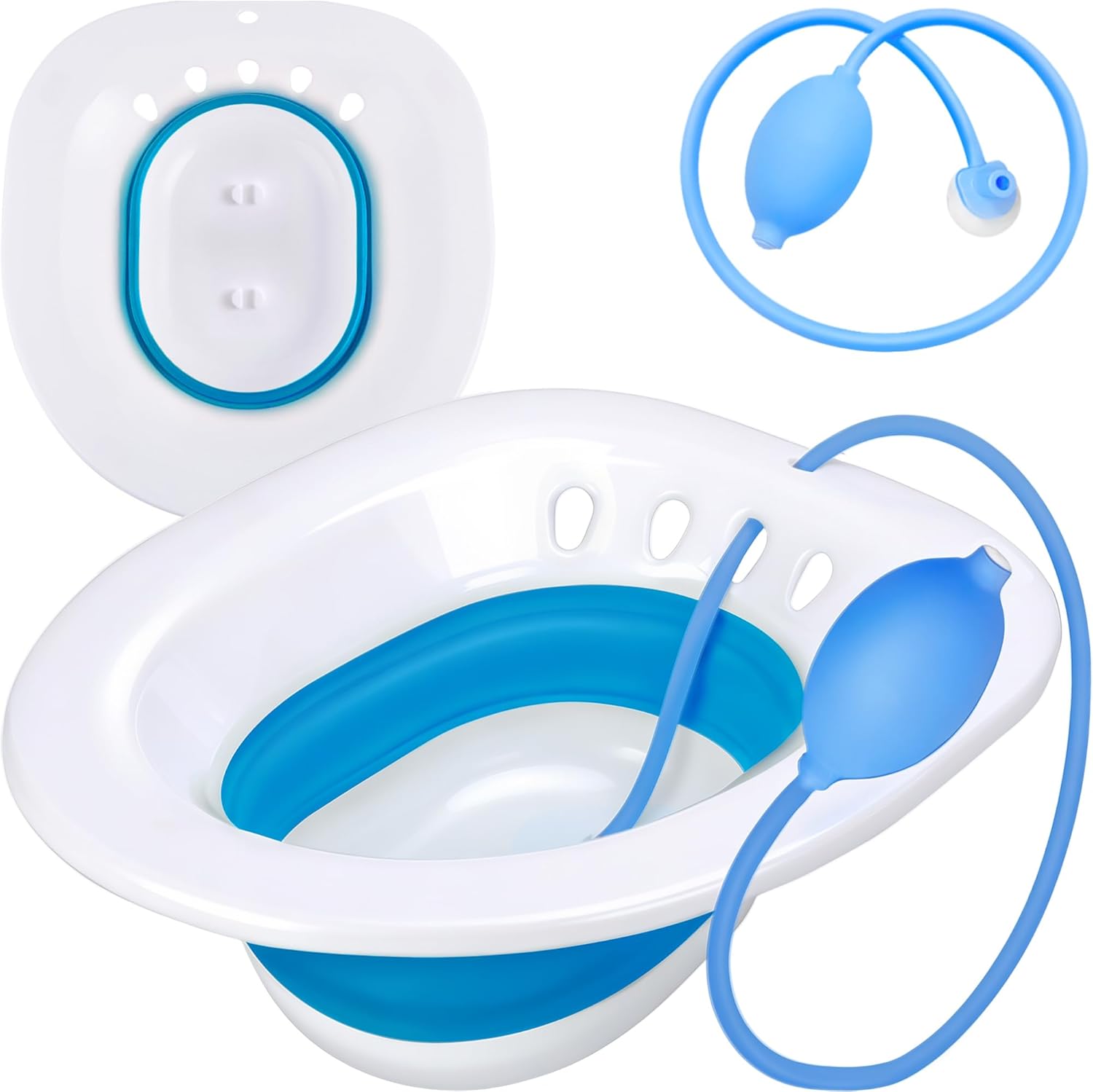
Collapsible sitz bath with flusher hose and wider seating.
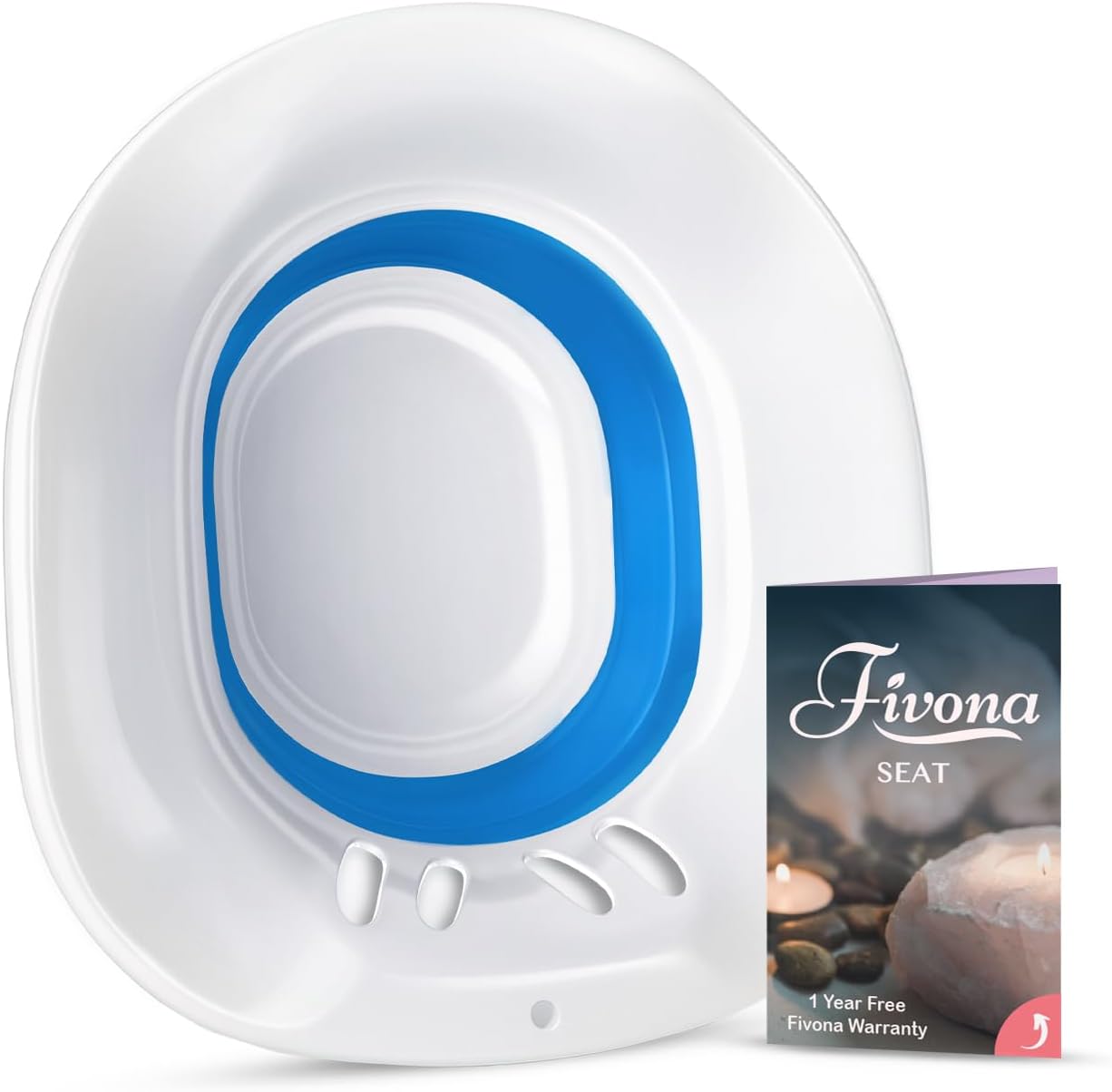
Foldable sitz bath with universal fit and ergonomic design.
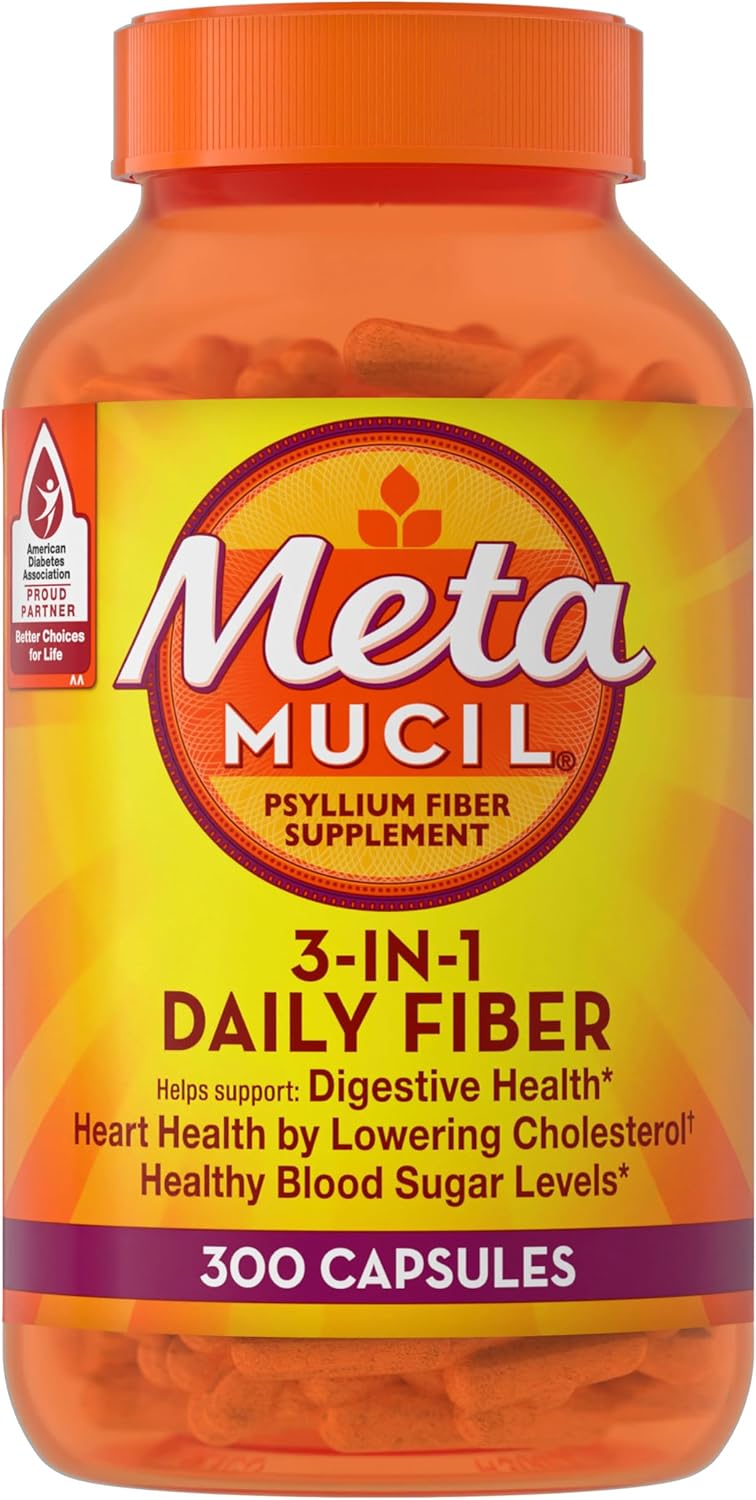
Psyllium fiber supplement to soften stool and reduce straining.
Related Articles
What Causes Hemorrhoids? The Complete Guide
Understanding why hemorrhoids develop is the first step to prevention and relief. Learn about the anatomy, risk factors, and common triggers.
Internal vs External Hemorrhoids: Key Differences Explained
Learn the differences between internal and external hemorrhoids, including symptoms, causes, and treatment approaches for each type.
Why Do Hemorrhoids Bleed? When to Worry
Rectal bleeding can be alarming. Learn why hemorrhoids bleed, what the blood looks like, and when bleeding requires medical attention.
Written by the HemorrhoidCareGuide Team
Dedicated to helping people find relief through education and honest product recommendations.
Medical Disclaimer: This content is for informational purposes only and does not constitute medical advice. Always consult with a qualified healthcare provider for diagnosis and treatment of hemorrhoids or any medical condition.
Find Your Hemorrhoid Type
Take our free 2-minute assessment to identify your hemorrhoid type and get personalized product recommendations.
Take the Free AssessmentRelated Articles
What Causes Hemorrhoids? The Complete Guide
Understanding why hemorrhoids develop is the first step to prevention and relief. Learn about the anatomy, risk factors, and common triggers.
Internal vs External Hemorrhoids: Key Differences Explained
Learn the differences between internal and external hemorrhoids, including symptoms, causes, and treatment approaches for each type.