Hemorrhoid Wipes vs Toilet Paper: Which Is Gentler for Hemorrhoid Relief?
If you have hemorrhoids, what you use after a bowel movement matters more than most people realize. Dry toilet paper creates friction against inflamed tissue, causing micro-tears that delay healing. Switching to hemorrhoid wipes, a bidet, or even softer toilet paper can significantly reduce irritation. We've compared medicated wipes, flushable wipes, bidet attachments, and toilet paper alternatives to help you find the gentlest option.
Quick Comparison
Detailed Product Reviews
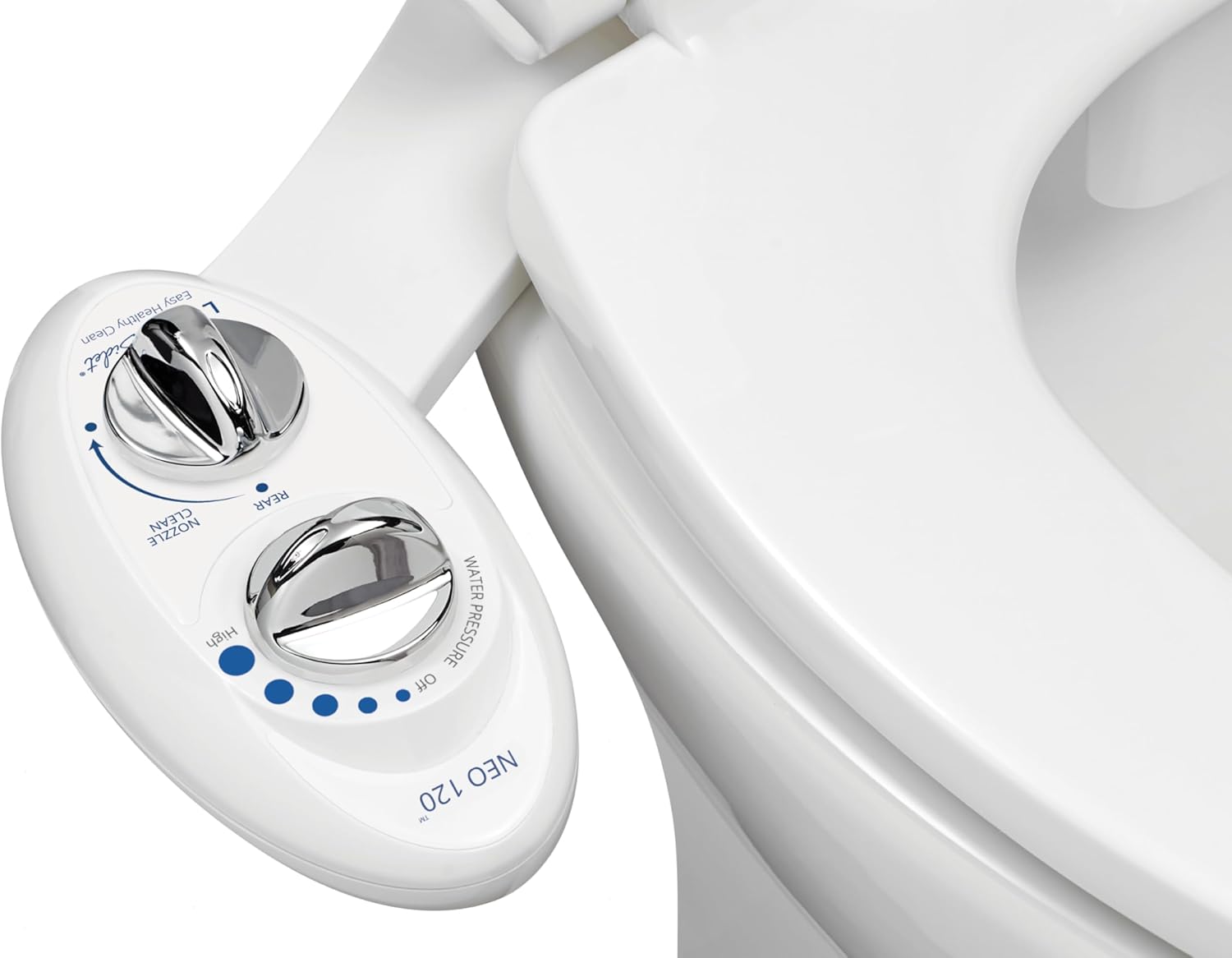
LUXE Bidet Toilet Seat Attachment
Gentle water cleansing - the gold standard for hemorrhoid hygiene.
- +Eliminates irritating wiping
- +Most hygienic option
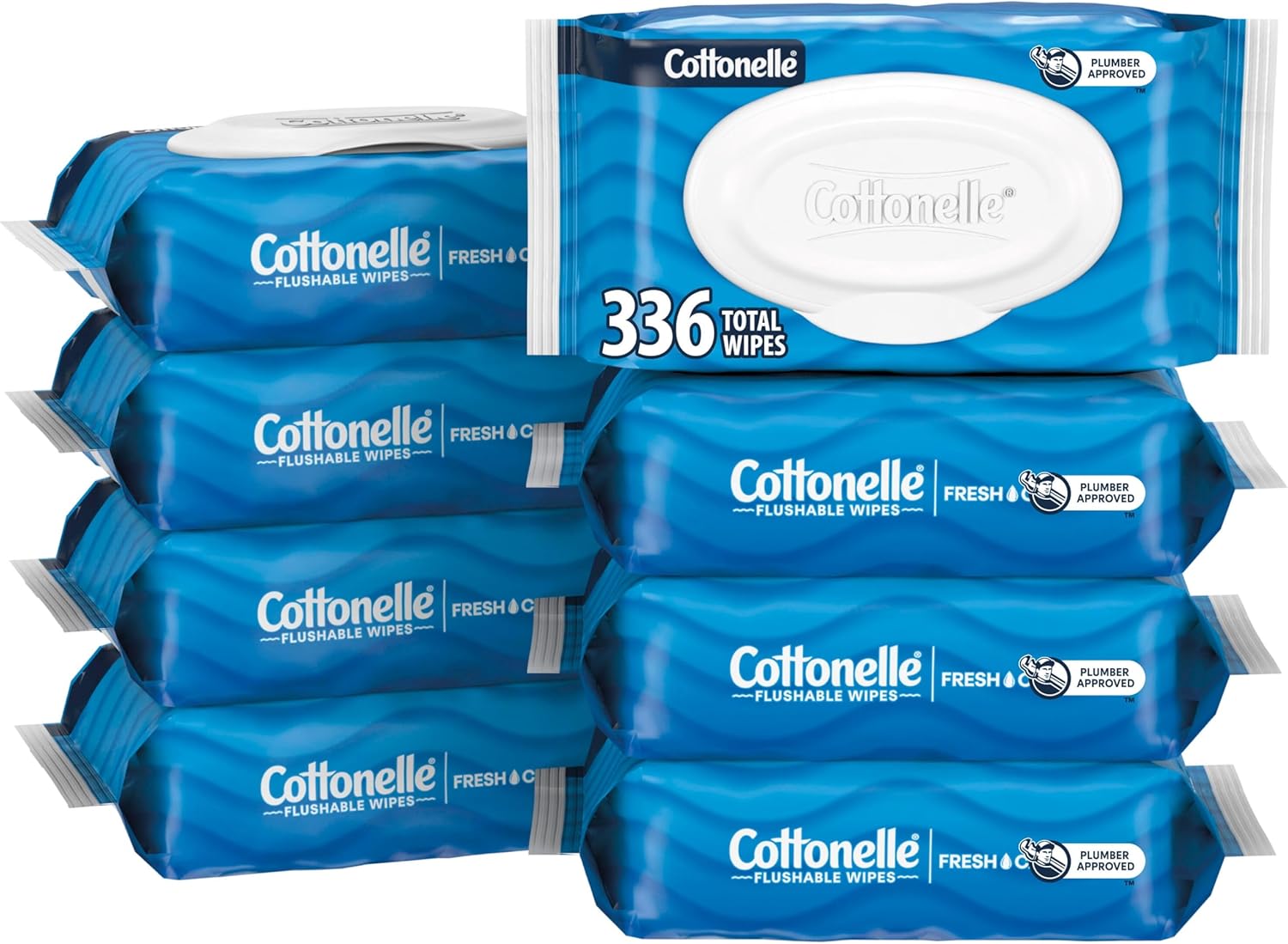
Cottonelle Fresh Care Flushable Wipes
Gentle flushable wipes for a cleaner, fresher feeling.
- +Septic-safe and flushable
- +Alcohol-free formula
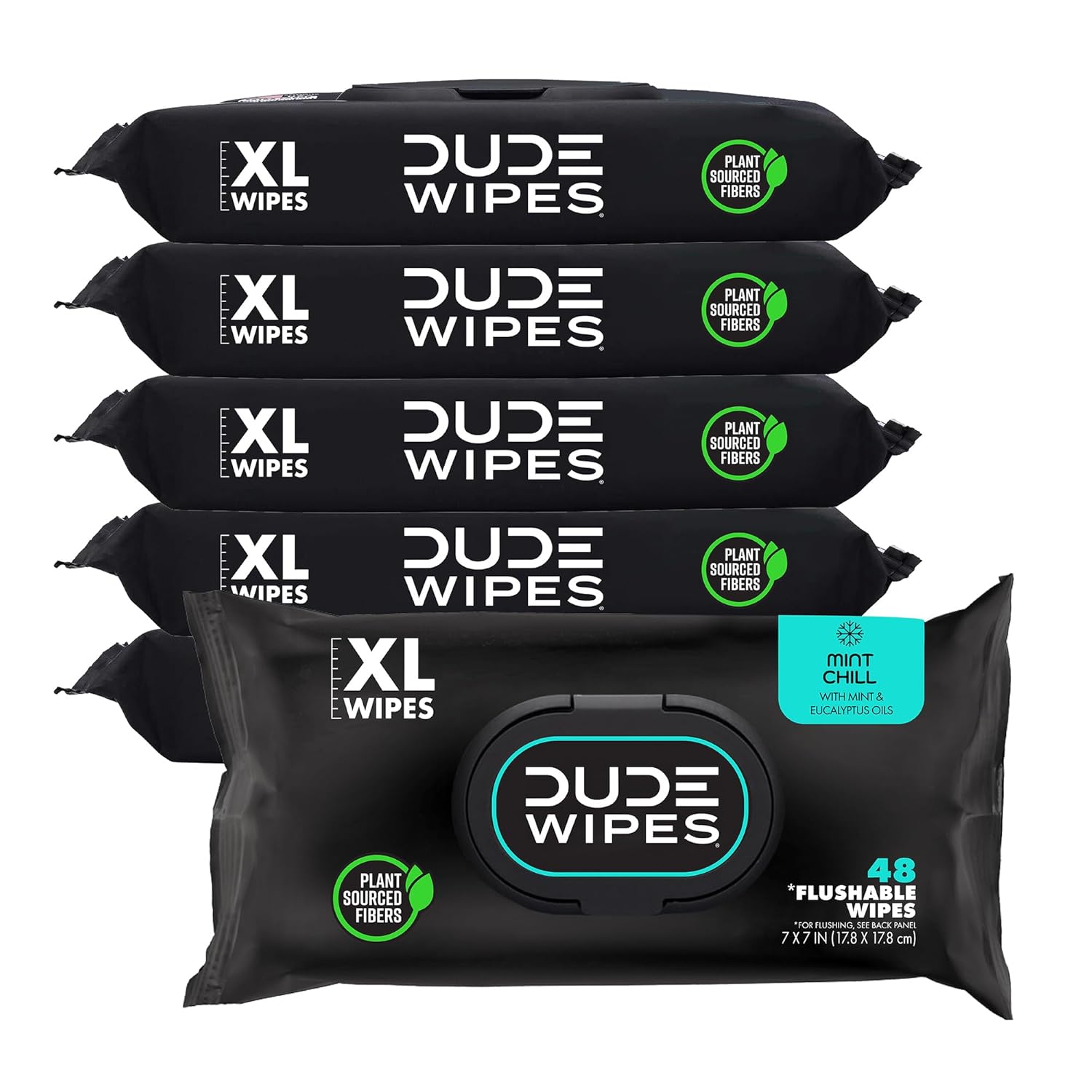
DUDE Wipes Flushable Wipes
Extra-large unscented flushable wipes with vitamin E and aloe.
- +Extra-large size for better coverage
- +Fragrance-free and alcohol-free (gentle on sensitive skin)
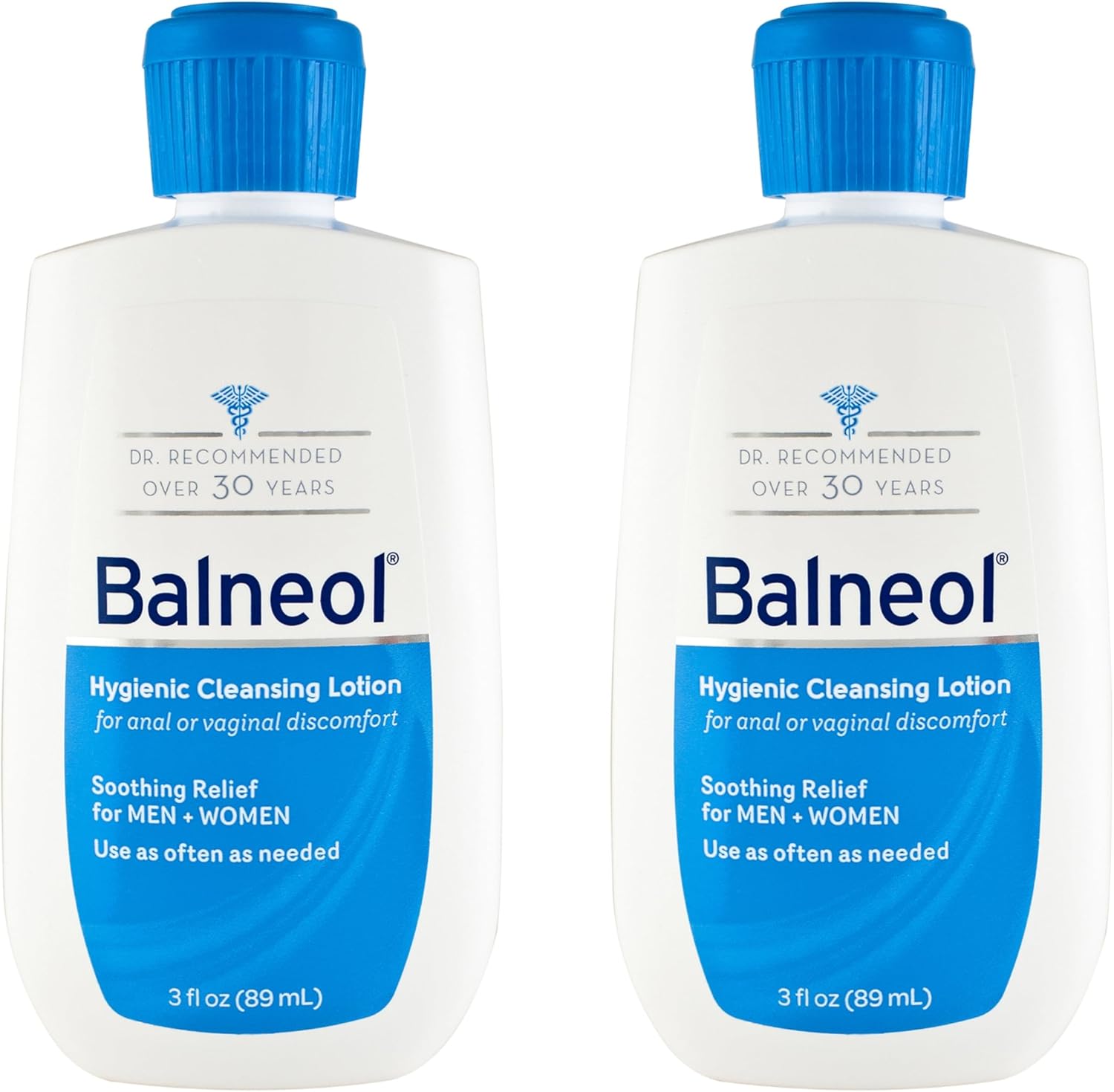
Gentle cleansing lotion for ultra-sensitive hemorrhoid care.
- +Ultra-gentle formula
- +Fragrance and soap free
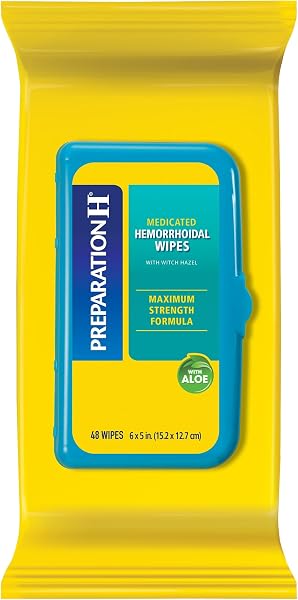
Medicated witch hazel flushable wipes from the #1 hemorrhoid brand.
- +Medicated with witch hazel for cooling relief
- +From the most recognized hemorrhoid brand
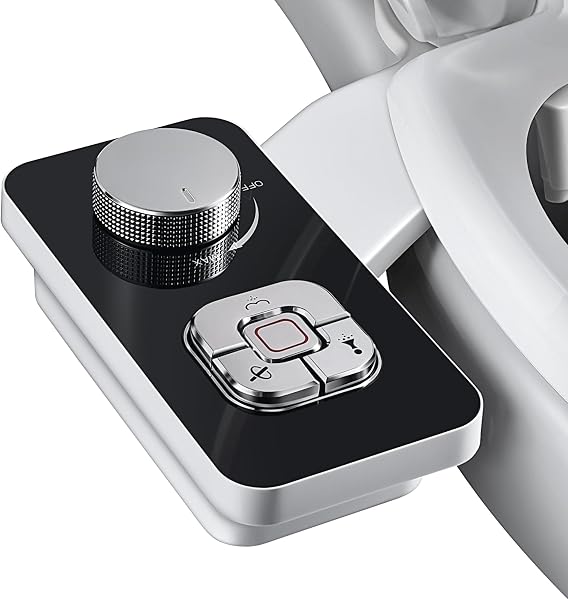
SAMODRA Bidet Attachment
Dual-nozzle non-electric bidet — friction-free cleansing.
- +Water cleansing eliminates wiping friction
- +Dual nozzles for frontal and rear wash
Not sure which product is right for you? Our free 2-minute assessment identifies your hemorrhoid type and recommends the best products.
Take the Free AssessmentHow We Evaluate Hemorrhoid Wipes and Hygiene Products
Post-bowel movement hygiene is an overlooked factor in hemorrhoid management. The wrong cleaning method can undo the progress made by creams, sitz baths, and fiber supplements. Our evaluation covers wipes, cleansing lotions, and bidet attachments — each offering a different approach to the same problem: cleaning sensitive, inflamed tissue without causing further damage.
What We Assess
Ingredient Safety for Inflamed Tissue. We screen for alcohol, fragrances, parabens, and other irritants that have no place on hemorrhoid-affected skin. Medicated wipes should contain therapeutic ingredients (witch hazel, aloe vera) rather than simply cosmetic ones. We note whether ingredients provide active soothing versus mere moisture.
Cleaning Efficacy vs. Friction. An effective wipe must clean thoroughly with minimal rubbing. We evaluate wipe thickness, moisture level, and texture — thin, dry wipes require more passes and more friction, which defeats the purpose. For our detailed comparison of bidets versus wipes, friction is the primary differentiator.
Flushability Claims. Many wipes labeled "flushable" do not disintegrate like toilet paper and can cause plumbing problems. We note which products have passed independent dispersibility testing and which are better disposed of in the trash despite marketing claims.
Bidet Performance. For bidet attachments, we assess water pressure adjustability, nozzle positioning, ease of installation on standard toilets, and build quality. A bidet with too-high default pressure can aggravate hemorrhoids rather than soothe them.
Disclosure: Our assessment is based on ingredient analysis, manufacturer specifications, and aggregate user feedback. We do not conduct dermatological testing. See our editorial guidelines for our full review process.
Why Post-Bowel Movement Hygiene Matters for Hemorrhoids
Hemorrhoid tissue is swollen, inflamed, and often has micro-abrasions on its surface. Every bowel movement brings that tissue into contact with stool, and the cleaning method used afterward determines whether you're supporting healing or creating new damage.
The Problem with Dry Toilet Paper
Standard toilet paper is abrasive — even "ultra soft" varieties create friction against inflamed tissue. Each wiping pass can cause micro-tears in the thin skin covering external hemorrhoids. These tears introduce bacteria, trigger additional inflammation, and extend healing time. Multiple wipes compound the damage. Users who switch from toilet paper to gentler alternatives consistently report faster symptom improvement.
Can Toilet Paper Cause Hemorrhoids?
Toilet paper itself does not cause hemorrhoids — hemorrhoids develop from increased pressure on the veins in the anorectal area, most commonly from straining during bowel movements. However, aggressive wiping with dry toilet paper can irritate existing hemorrhoids, worsen symptoms, and delay healing. If you already have hemorrhoids, the friction from toilet paper is one of the most controllable aggravating factors. Switching to a gentler cleaning method can make a meaningful difference in recovery time.
Best Toilet Paper for Hemorrhoids (If You Must Use It)
If switching to wipes or a bidet is not an option, choosing the right toilet paper can reduce irritation. Look for unscented, dye-free varieties marketed as "ultra soft." Bamboo-based toilet paper tends to be softer than standard wood-pulp paper and is less likely to contain chemical irritants. Regardless of the brand, pat the area gently instead of wiping with friction, and consider dampening the paper slightly with water before use. Applying a small amount of cleansing lotion like Balneol to the paper before use further reduces friction and provides a moisture barrier.
How Medicated Wipes Help
Medicated wipes address both problems — cleaning and therapeutic action — in one step. Wipes containing witch hazel (like witch hazel-based hemorrhoid products) provide astringent properties that reduce swelling while cleaning. The moisture in the wipe reduces friction dramatically compared to dry paper. DUDE Wipes Medicated combine witch hazel with aloe vera for both cleansing and soothing. For a more natural option, T.N. Dickinson's Hemorrhoidal Pads use 100% natural witch hazel distillate with aloe — no synthetic fragrances or dyes — and are dermatologist and gynecologist tested.
How Bidets Eliminate the Problem Entirely
A bidet eliminates friction completely — water replaces wiping. The LUXE Bidet Attachment installs on a standard toilet in under 15 minutes and provides adjustable water pressure for gentle, thorough cleaning. The per-use cost is negligible compared to wipes, and there is no waste disposal concern. For hemorrhoid sufferers, bidets are the most consistently recommended hygiene upgrade by colorectal health professionals.
Cleansing Lotions: The Middle Ground
Products like Balneol Hygienic Cleansing Lotion offer a different approach: apply the lotion to standard toilet paper, transforming it into a moist, non-irritating cleaning surface. This avoids the flushability concerns of wipes and the installation of a bidet, while still reducing friction significantly.
Who Should Switch from Toilet Paper (and What to Switch To)
Switch Immediately If:
- You have active external hemorrhoids. Continuing to use dry toilet paper on inflamed tissue is counterproductive to every other treatment you're using.
- You notice blood on the toilet paper. Blood indicates tissue damage. Switching to a no-friction method allows that damage to heal.
- You're recovering from a hemorrhoid procedure. Post-banding, post-sclerotherapy, and post-surgical tissue is especially fragile and benefits from the gentlest possible hygiene.
- You experience itching or burning after wiping. These are signs of friction-induced irritation or a reaction to chemicals in scented toilet paper.
- You're pregnant or postpartum. Hemorrhoids are common during pregnancy, and gentler hygiene reduces irritation while limiting medication use. See our pregnancy-safe hemorrhoid treatment guide for a complete approach.
Choosing the Right Alternative
- Bidet attachment — Best long-term solution. Zero friction, zero ongoing cost, environmentally friendly. Ideal for home use. A one-time investment for most models.
- Medicated wipes — Best for travel, work, and away-from-home situations. Provide therapeutic ingredients plus gentle cleaning. Cost: a low per-wipe price.
- Cleansing lotion + toilet paper — Good compromise if you prefer not to change your bathroom setup. Transforms standard paper into a moist cleansing surface.
- Unscented flushable wipes ( Cottonelle Fresh Care) — Good daily option for mild symptoms. Less therapeutic than medicated wipes but significantly gentler than dry paper.
Environmental Considerations
Disposable wipes — even "flushable" ones — contribute to landfill and sewer system issues. If environmental impact is a concern, a bidet is by far the most sustainable option, using only a small amount of water per use. For those who prefer wipes, look for biodegradable options and dispose of them in trash rather than flushing.
Making the Switch: What to Expect
Days 1–3: The most immediate difference is reduced pain and irritation after bowel movements. Where wiping previously caused stinging or fresh bleeding, the new method should be noticeably more comfortable. Some users report feeling "cleaner" with their first bidet use or medicated wipe compared to years of dry paper.
Week 1: Itching between bowel movements should decrease as the micro-tears caused by abrasive wiping begin to heal. If you're also using topical treatment, the combination of reduced friction and active medication produces faster results than either approach alone.
Weeks 2–4: The cumulative benefit becomes clear. Perianal skin that was chronically irritated from wiping friction has time to heal fully. Hemorrhoid symptoms that were being aggravated by hygiene habits stabilize or improve. Many users find that switching hygiene methods alongside fiber supplementation and sitz bath therapy produces the most comprehensive improvement.
Long-term: Most people who switch from toilet paper do not go back. The comfort difference is substantial enough that the new method becomes permanent — which is exactly the point, since ongoing gentle hygiene is part of long-term hemorrhoid prevention.
Beyond Wipes: A Complete Hygiene Strategy for Hemorrhoid Management
Upgrading your post-bowel movement hygiene is one piece of a comprehensive hemorrhoid management approach. The following strategies work together to create conditions for healing and prevent future flare-ups.
Building a Complete Protocol
- Before bowel movements: A daily fiber supplement ensures soft, easy-to-pass stools that minimize strain and tissue trauma during elimination.
- During bowel movements: Do not strain or sit for more than 5 minutes. If the stool does not pass easily, get up and try again later. Straining is the primary cause of hemorrhoid damage.
- After bowel movements: Use a bidet, medicated wipe, or cleansing lotion instead of dry paper. Pat dry gently — never rub.
- After cleaning: Apply topical cream if you have active symptoms. The clean, dry surface allows better medication absorption.
- End of day: A warm sitz bath soak cleanses the area thoroughly and promotes overnight healing.
- When sitting for long periods: Use a hemorrhoid cushion to relieve pressure on inflamed tissue during desk work, driving, or extended sitting.
When to Seek Medical Advice
If you've improved your hygiene habits, are using appropriate topical treatments, and hemorrhoid symptoms still have not improved after 2–3 weeks, consult a healthcare provider. Persistent symptoms despite good home care suggest the hemorrhoid may need professional evaluation and possibly a minimally invasive procedure.
You can compare all hygiene and treatment products to find the right combination for your needs.
Frequently Asked Questions
Related Buying Guides
Comparing your options? Explore our other hemorrhoid product guides:
Related Articles
Learn more about hemorrhoid care with these helpful guides:
Find Your Perfect Treatment
Get personalized product recommendations based on your specific hemorrhoid type.
Affiliate Disclosure: We may earn a commission when you purchase through our links, at no additional cost to you. This helps support our research and content creation. We only recommend products we believe are effective for hemorrhoid relief. Last updated: January 2026.