Why Do Hemorrhoids Bleed? When to Worry
Why Do Hemorrhoids Bleed?
Seeing blood after a bowel movement can be alarming, but it's one of the most common hemorrhoid symptoms. Understanding why hemorrhoids bleed can help you know when it's normal and when to seek medical care.
How Hemorrhoids Cause Bleeding
Hemorrhoids are swollen blood vessels in the rectal area. When these enlarged vessels are damaged, they bleed. Common triggers include:
- Hard stools scraping against hemorrhoid tissue
- Straining increasing pressure until vessels burst
- Wiping too hard causing irritation
- Prolonged sitting on the toilet
What Hemorrhoid Blood Looks Like
Hemorrhoid bleeding has distinct characteristics:
- Bright red color: Fresh blood from surface vessels
- On toilet paper: Most common location
- On stool surface: Not mixed into the stool
- In toilet bowl: May turn water pink
- Small amounts: Usually just spots or streaks
Internal vs External Hemorrhoid Bleeding
Internal Hemorrhoid Bleeding
- Usually painless
- Bright red blood on toilet paper or in bowl
- May happen with every bowel movement
- Can be more significant in volume
External Hemorrhoid Bleeding
- Often accompanied by pain
- Usually from irritation or scratching
- May leave blood on underwear
- Less common than internal bleeding
When Hemorrhoid Bleeding Is Normal
Don't panic if:
- Blood is bright red and small amounts
- Bleeding occurs only during bowel movements
- It stops within a few minutes
- You have other hemorrhoid symptoms
Warning Signs: When to Worry
Seek medical attention if you experience:
- Dark red or black blood: May indicate bleeding higher in digestive tract
- Blood mixed into stool: Could suggest other conditions
- Large amounts of blood: More than a few drops
- Dizziness or fatigue: Signs of significant blood loss
- Bleeding without bowel movements: Unexpected bleeding
- Persistent bleeding: Lasting more than a week with treatment
Stopping Hemorrhoid Bleeding
To reduce bleeding:
1. Soften your stools with fiber and water 2. Don't strain - let movements happen naturally 3. Use gentle wiping or a bidet 4. Take sitz baths to promote healing 5. Apply topical treatments as directed
Hemorrhoid Bleeding vs. Other Conditions
Rectal bleeding can have many causes. The key differences:
| Condition | Blood Color | Location | Other Symptoms |
|---|---|---|---|
| Hemorrhoids | Bright red | On surface | Itching, lump |
| Anal fissure | Bright red | With pain | Severe pain during BM |
| Colorectal issues | Dark red/black | Mixed in stool | Changes in bowel habits |
The Bottom Line
Hemorrhoid bleeding is common and usually not dangerous, but any rectal bleeding deserves attention. If you're over 45 or have concerning symptoms, get checked by a doctor.
Read more about hemorrhoids vs colorectal cancer to understand the important differences. Also learn when to see a doctor and understand the differences between internal and external hemorrhoids. For topical bleeding control, browse our best hemorrhoid cream guide.
Take our hemorrhoid assessment quiz for personalized recommendations.
Recommended Products
Disclosure: This page contains affiliate links. As an Amazon Associate we earn from qualifying purchases, at no extra cost to you.
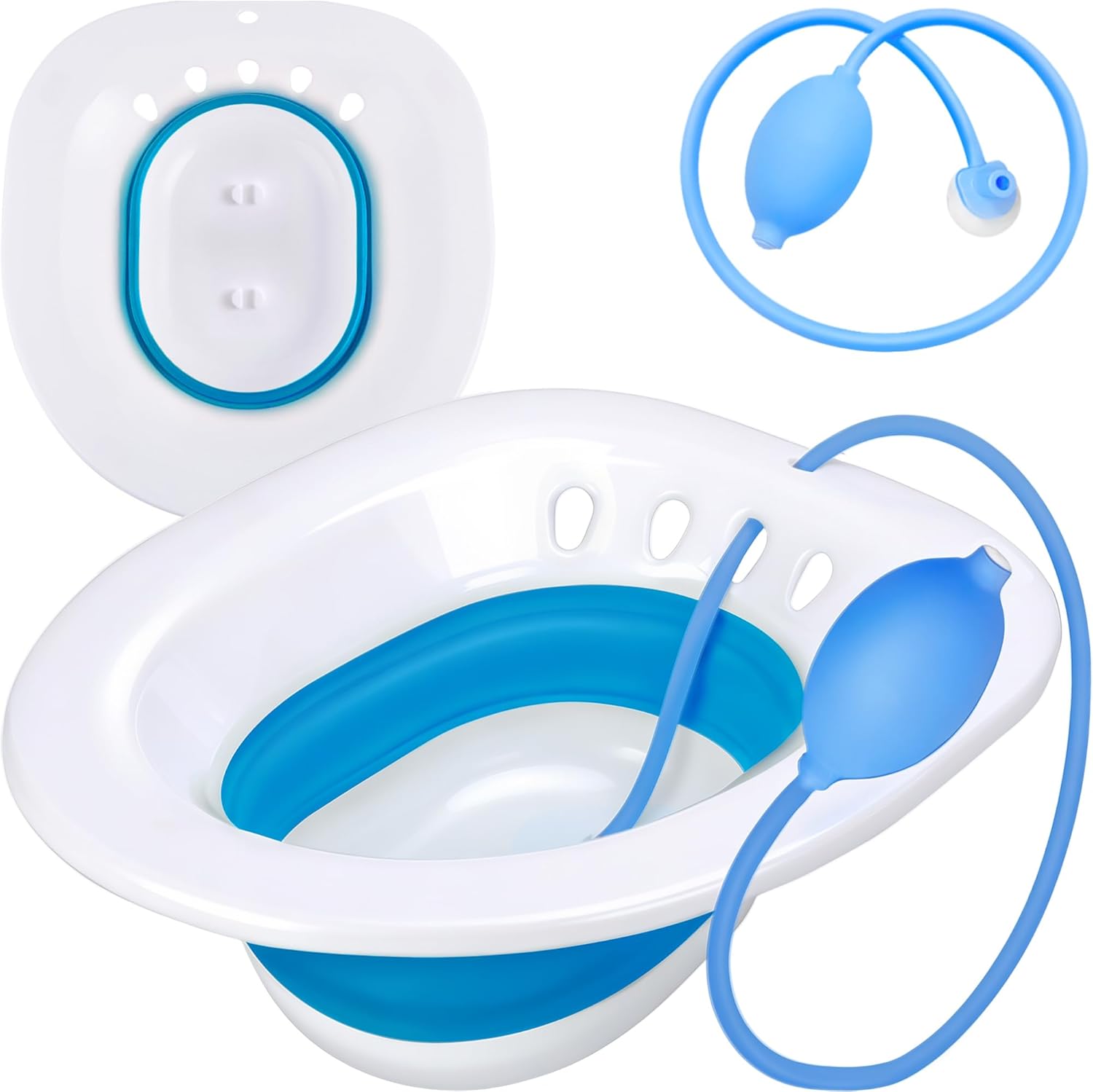
Collapsible sitz bath with flusher hose and wider seating.
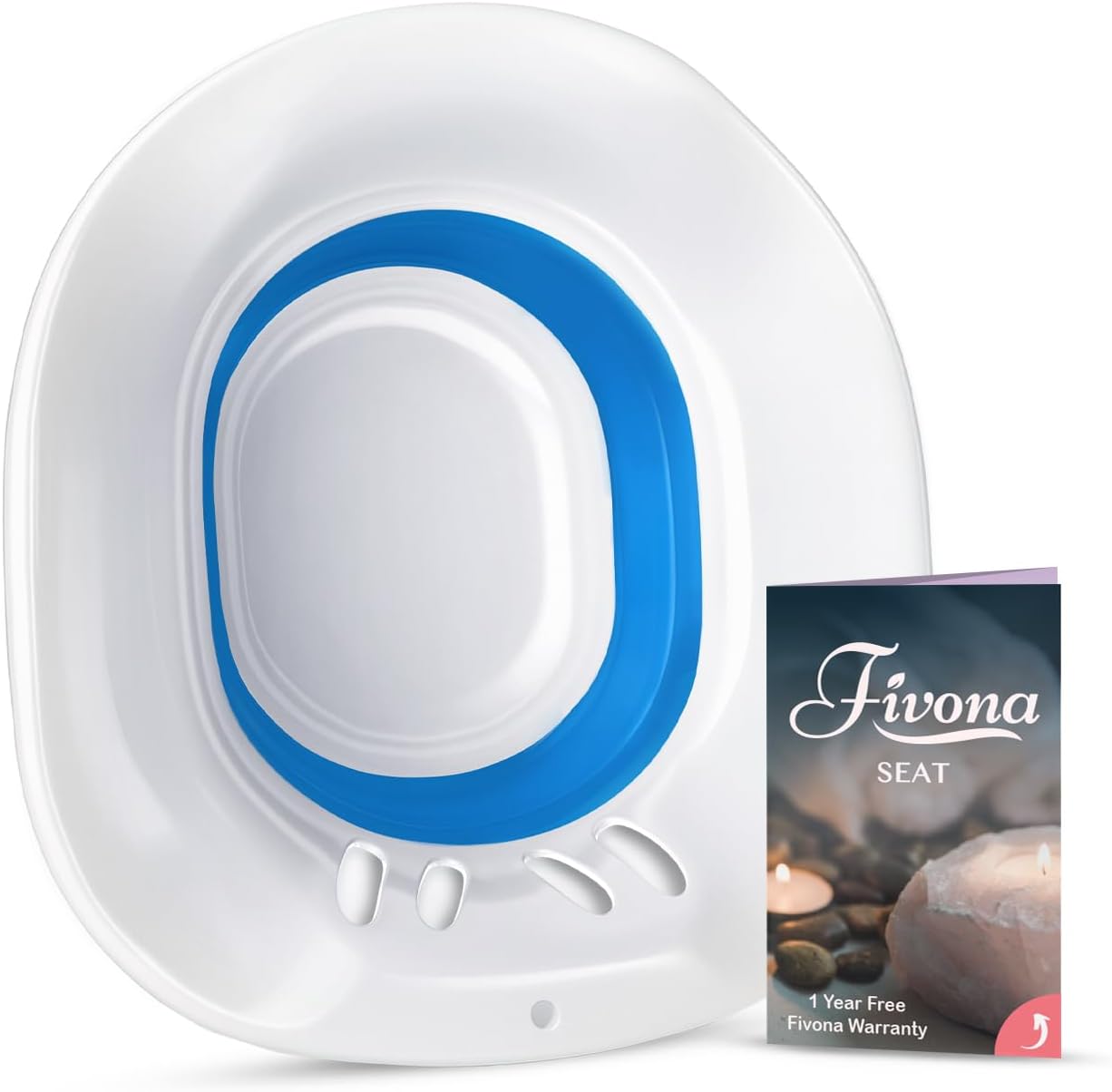
Foldable sitz bath with universal fit and ergonomic design.
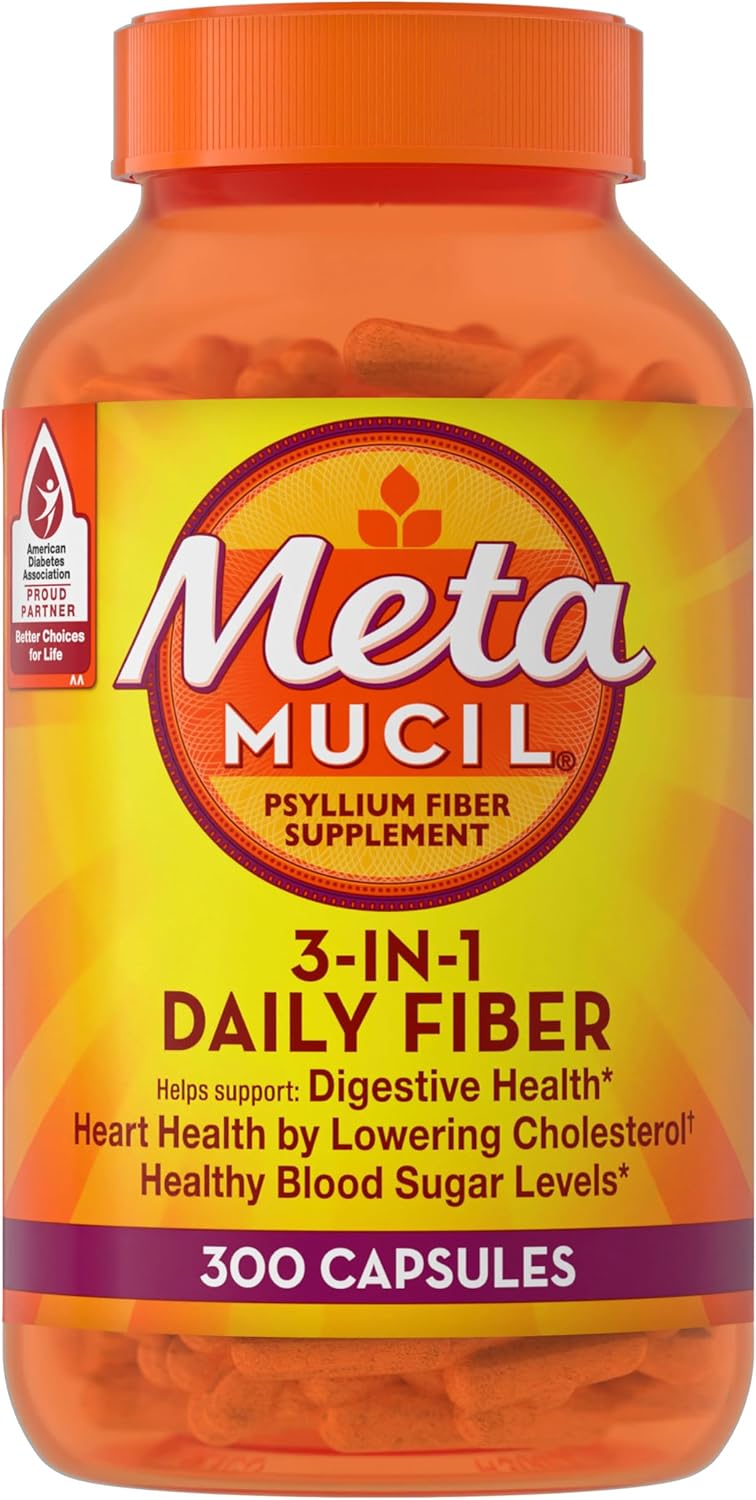
Psyllium fiber supplement to soften stool and reduce straining.
Related Articles
What Causes Hemorrhoids? The Complete Guide
Understanding why hemorrhoids develop is the first step to prevention and relief. Learn about the anatomy, risk factors, and common triggers.
Internal vs External Hemorrhoids: Key Differences Explained
Learn the differences between internal and external hemorrhoids, including symptoms, causes, and treatment approaches for each type.
Hemorrhoids During Pregnancy: Causes and Safe Relief
Up to 50% of pregnant women develop hemorrhoids. Learn why pregnancy causes hemorrhoids and which treatments are safe during pregnancy.
Written by the HemorrhoidCareGuide Team
Dedicated to helping people find relief through education and honest product recommendations.
Medical Disclaimer: This content is for informational purposes only and does not constitute medical advice. Always consult with a qualified healthcare provider for diagnosis and treatment of hemorrhoids or any medical condition.
Find Your Hemorrhoid Type
Take our free 2-minute assessment to identify your hemorrhoid type and get personalized product recommendations.
Take the Free AssessmentRelated Articles
What Causes Hemorrhoids? The Complete Guide
Understanding why hemorrhoids develop is the first step to prevention and relief. Learn about the anatomy, risk factors, and common triggers.
Internal vs External Hemorrhoids: Key Differences Explained
Learn the differences between internal and external hemorrhoids, including symptoms, causes, and treatment approaches for each type.