Best Sitz Bath for Hemorrhoids: Basins & Soaks Compared
Looking for the best sitz bath for hemorrhoids? Warm water soaking is one of the most widely recommended treatments for hemorrhoid relief — it increases blood flow, reduces swelling, and relaxes the anal sphincter to ease pain. We've compared toilet-seat basins, foldable designs, and soaking salts to help you choose the right option for consistent at-home relief.
Quick Comparison
Detailed Product Reviews
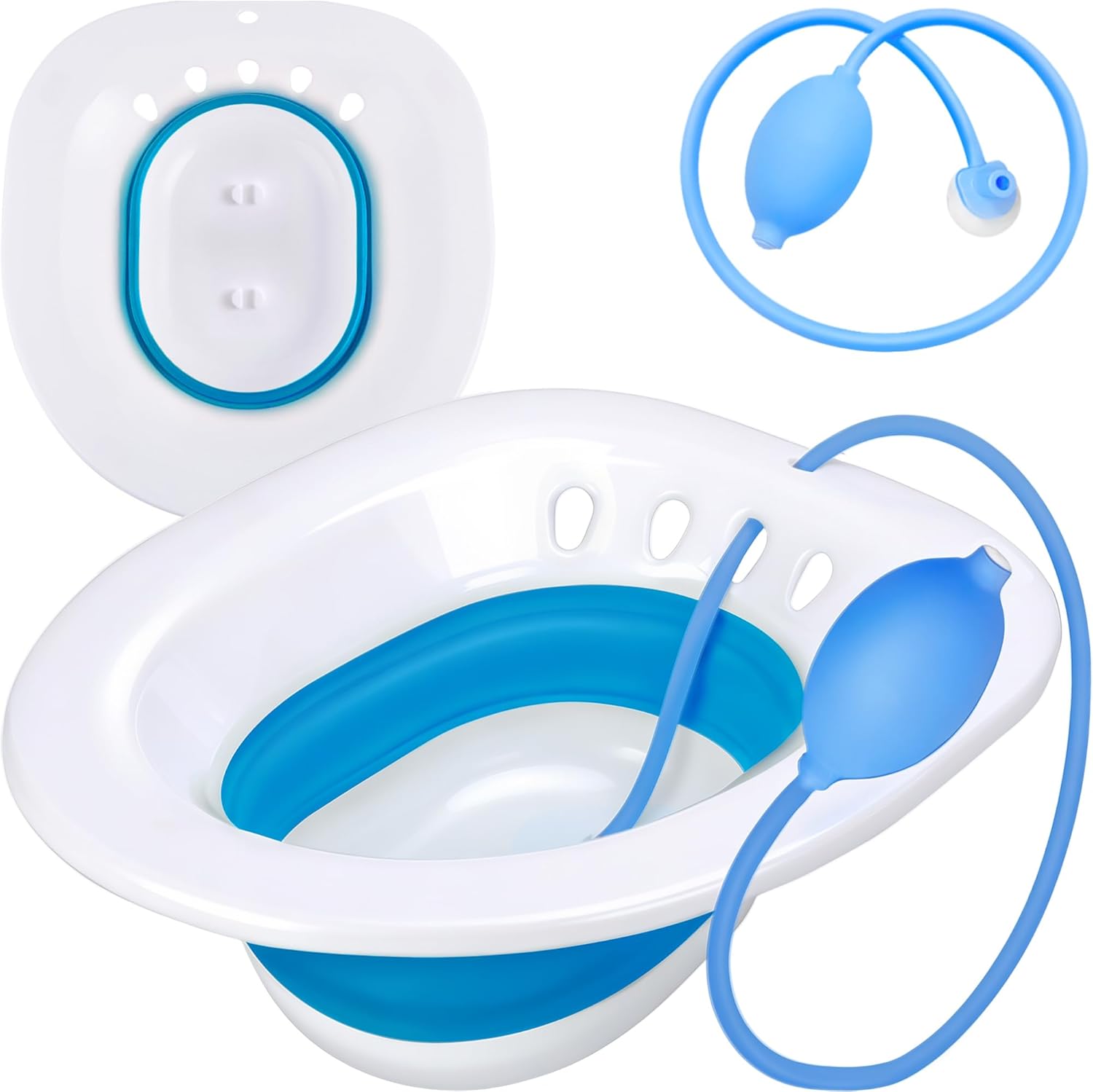
Pochik Sitz Bath for Toilet Seat
Collapsible sitz bath with flusher hose and wider seating.
- +Collapsible design for easy storage
- +Wider seating area for comfort
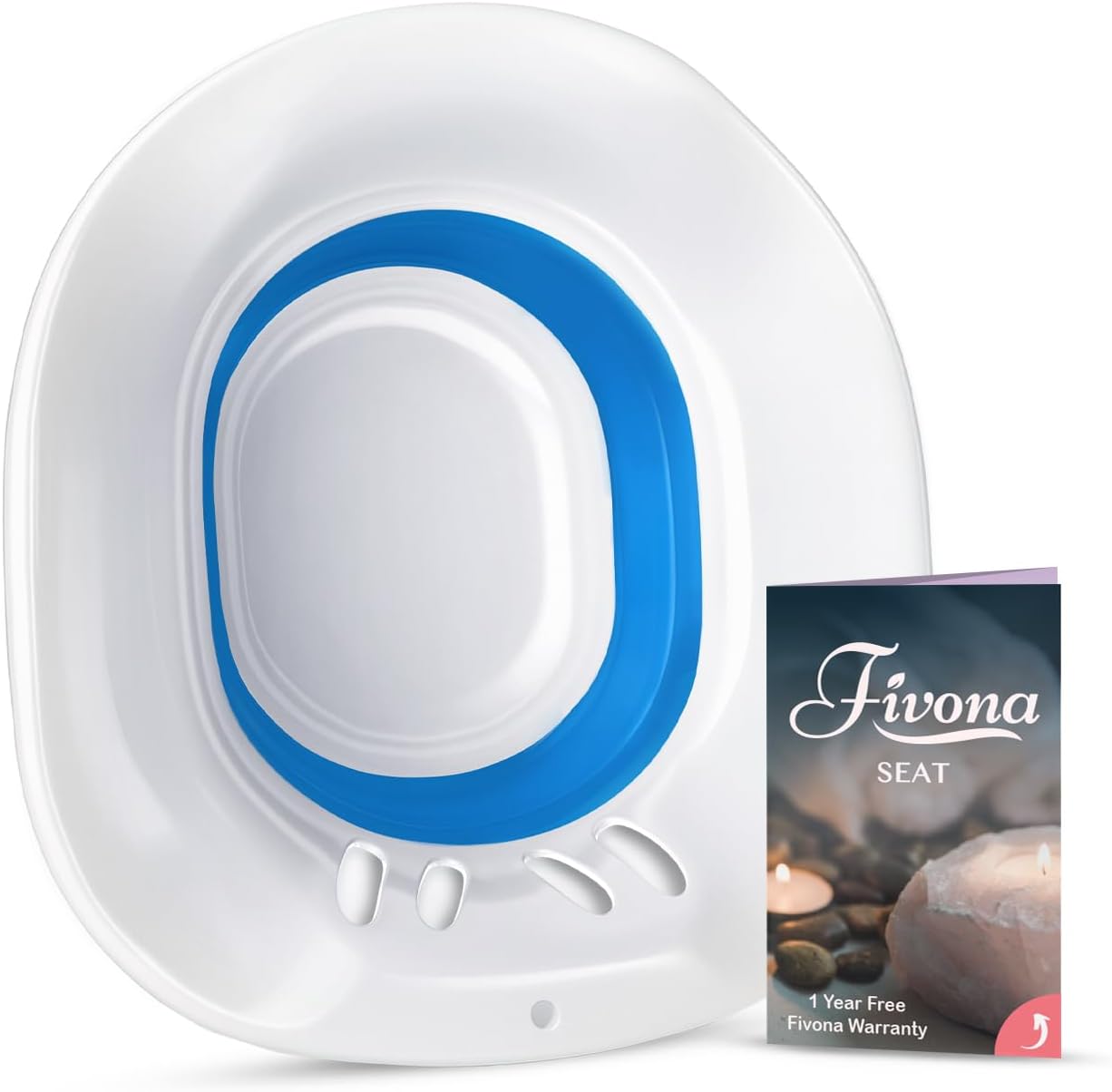
Fivona Foldable Sitz Bath for Toilet Seat
Foldable sitz bath with universal fit and ergonomic design.
- +Foldable design - stores in 2 inches
- +Universal fit for 99% of toilets
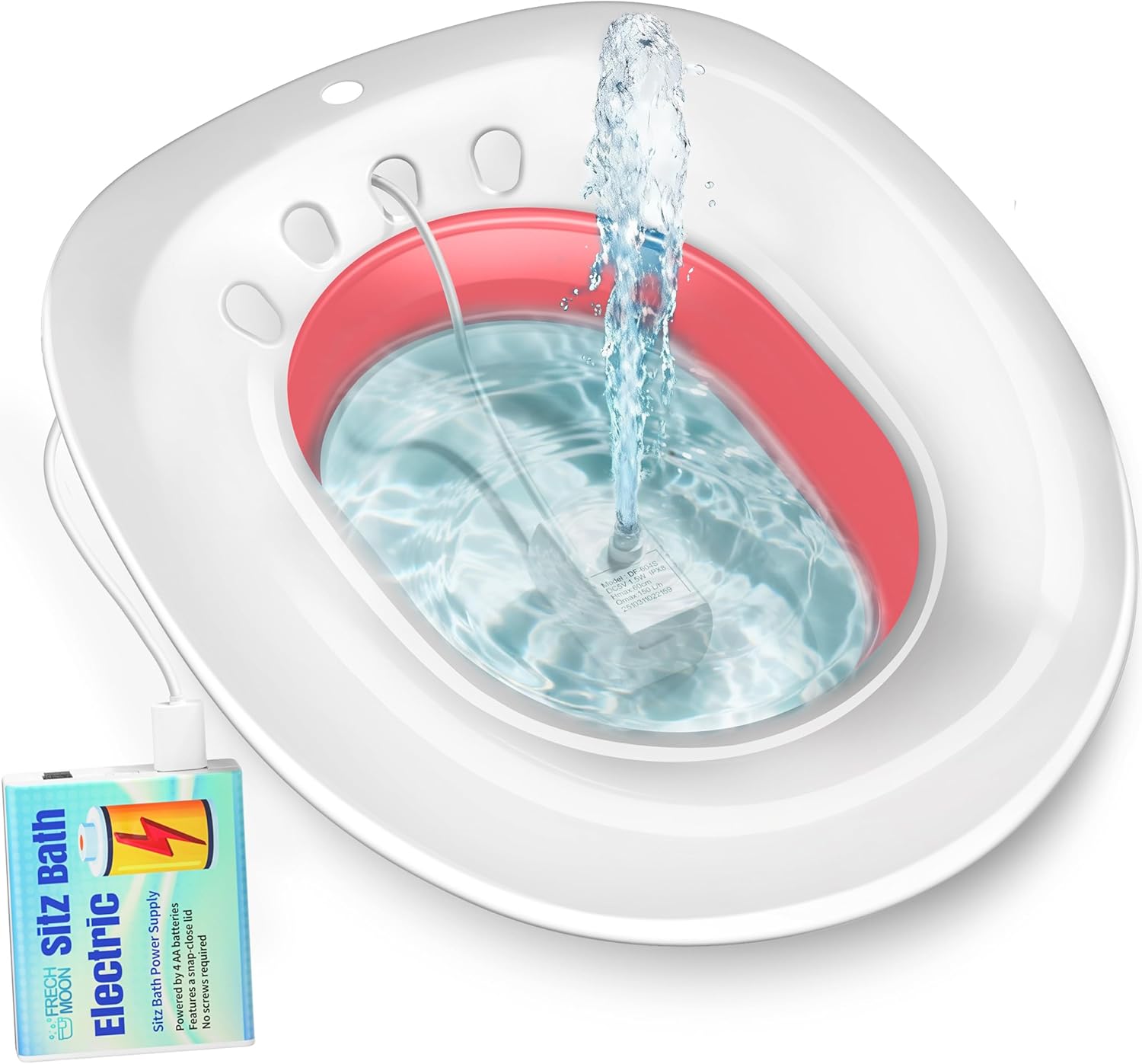
Electric sitz bath with temperature maintenance and collapsible design.
- +Electric pump maintains water circulation
- +Collapsible design for easy storage
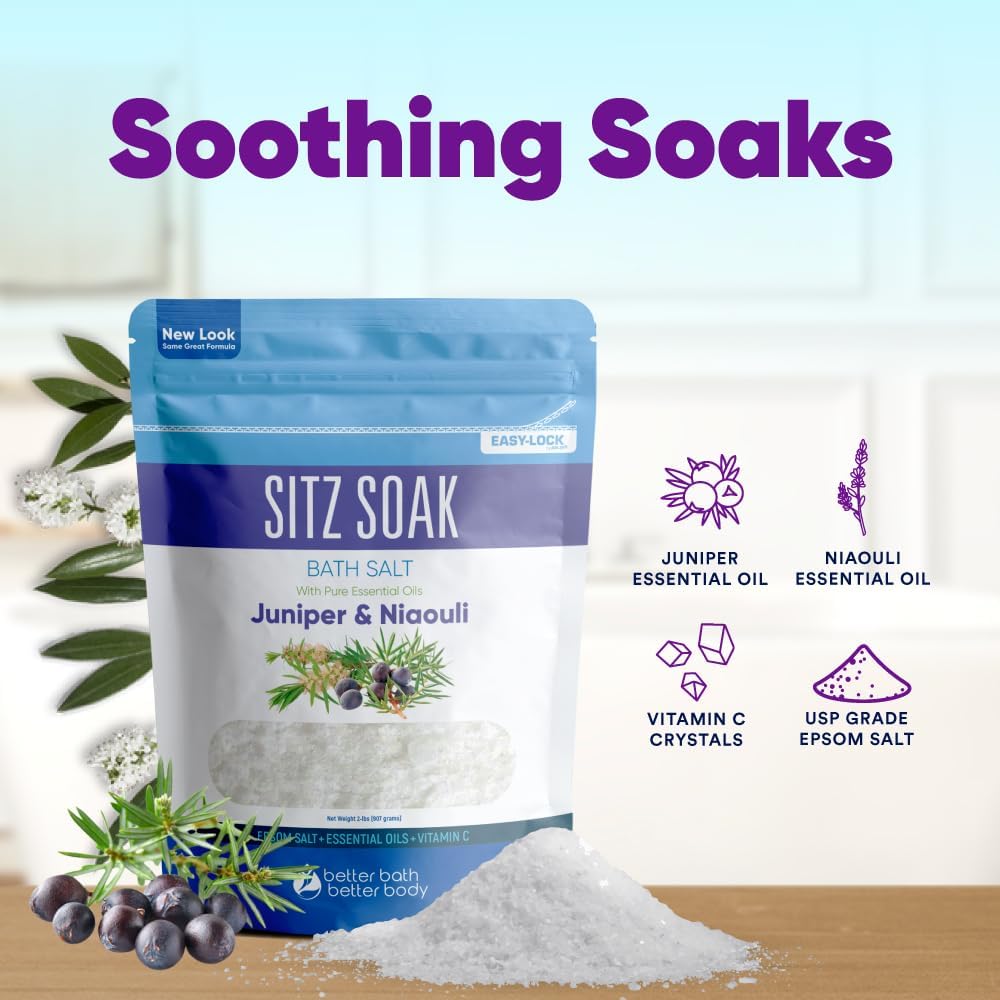
Epsom salt soak with essential oils for hemorrhoid relief.
- +Pure essential oils (geranium, lavender, frankincense)
- +Large 2 lb bag - many uses
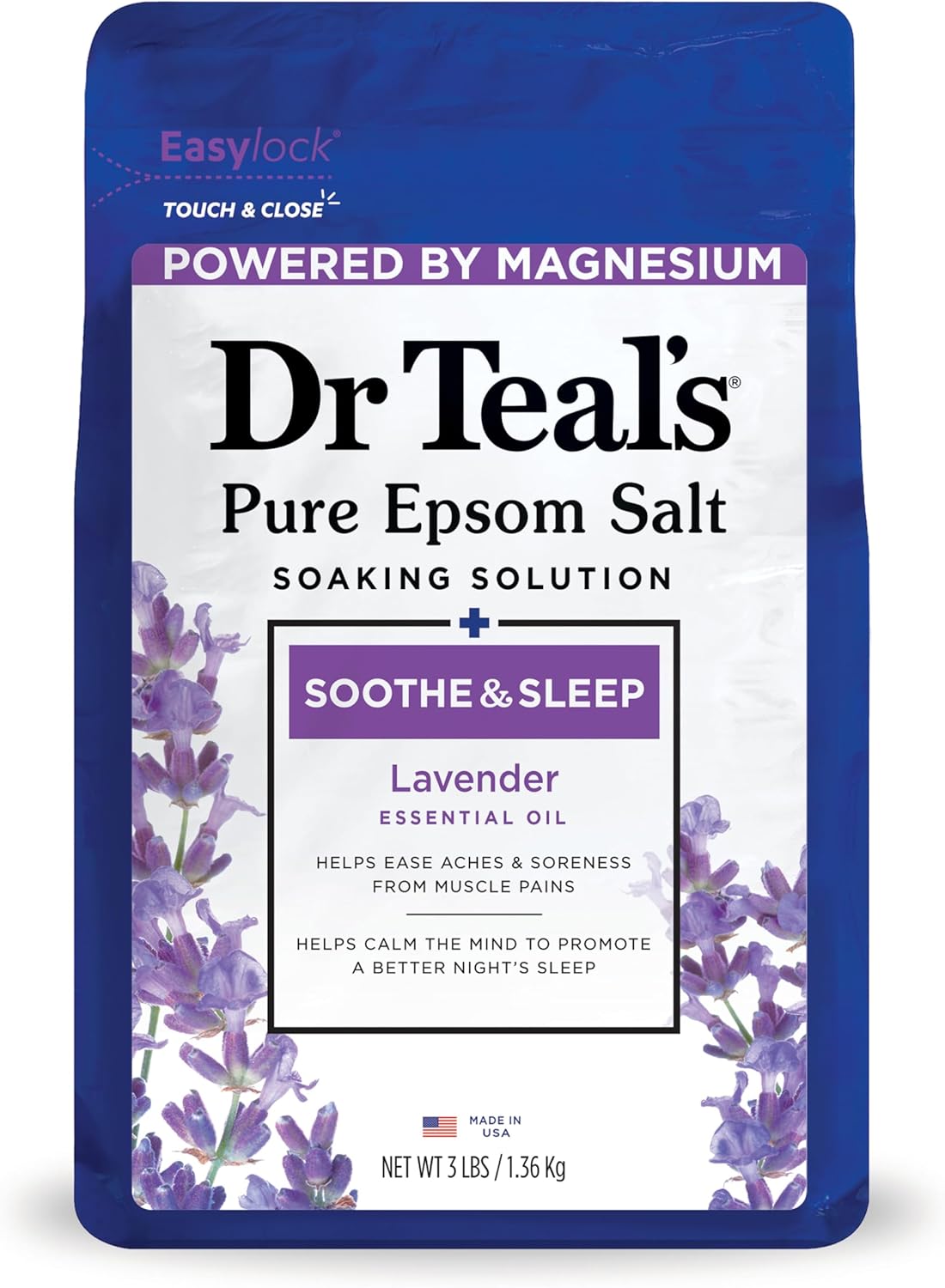
Lavender-infused Epsom salt for soothing sitz baths.
- +Trusted Dr Teals brand
- +Lavender promotes relaxation and sleep
Not sure which product is right for you? Our free 2-minute assessment identifies your hemorrhoid type and recommends the best products.
Take the Free AssessmentHow We Evaluate Sitz Bath Products
A sitz bath basin is a simple product, but poor design creates real problems: leaking, instability on the toilet seat, uncomfortable edges, and inadequate water capacity. Our evaluation focuses on the practical details that determine whether a basin actually gets used consistently — because consistency is what makes sitz baths effective.
What We Assess
Universal Fit and Stability. Not all toilet seats are the same width. We evaluate whether a basin fits standard, elongated, and round toilet seats without wobbling or requiring improvised solutions. A basin that shifts mid-soak discourages repeat use.
Material Safety. We verify BPA-free construction and medical-grade plastic claims. The basin contacts sensitive inflamed tissue, and material quality matters. We also assess crack resistance and whether the plastic retains odor after repeated use.
Overflow and Drainage. A well-designed sitz bath includes an overflow vent that directs excess water into the toilet bowl rather than onto the bathroom floor. Products like the Pochik Sitz Bath and Fivona Foldable Sitz Bath include integrated overflow channels. Basins without this feature are risky for daily use.
Soaking Salts and Additives. For sitz bath soaks, we evaluate ingredient purity (pharmaceutical-grade Epsom salt vs. cosmetic-grade), essential oil quality and concentration, and whether additives are safe for application to inflamed anorectal tissue. The Sitz Bath Soak with Epsom Salt is formulated specifically for this purpose.
Disclosure: We do not conduct laboratory water testing or material analysis. Our evaluation is based on manufacturer specifications, published safety data, and aggregate user experience. See our evaluation process for full details.
The Science of Warm Water Therapy for Hemorrhoids
Sitz baths are one of the oldest and most consistently recommended treatments for hemorrhoids. Physicians have prescribed warm water soaking for anorectal conditions for centuries, and the mechanism is well understood.
How Warm Water Helps
Increased blood circulation. Warm water (100–105°F / 38–40°C) causes local vasodilation — blood vessels in the soaking area expand, increasing blood flow. For hemorrhoids, this improved circulation delivers oxygen and nutrients to damaged tissue while carrying away inflammatory waste products. The result is accelerated healing.
Muscle relaxation. The warm water relaxes the internal anal sphincter — the involuntary muscle that can spasm and trap blood in hemorrhoidal tissue. Sphincter relaxation reduces the squeezing pressure on swollen veins, providing direct pain relief and allowing swelling to decrease. This is why many patients report that a sitz bath is the single most effective intervention during an acute flare-up.
Gentle cleansing. Soaking gently cleanses the perianal area without the friction of wiping. After bowel movements, a brief 5-minute sitz soak cleans more thoroughly and less abrasively than any wipe or paper product. For a full comparison, see our guide on step-by-step sitz bath technique.
The Role of Epsom Salt
Epsom salt (magnesium sulfate) is the most common sitz bath additive. Magnesium absorbed through the skin has mild anti-inflammatory properties and may help relax smooth muscle tissue. The evidence for transdermal magnesium absorption is mixed, but clinical experience and user reports consistently show that Epsom salt soaks provide more relief than plain water alone. A half-cup per basin is the standard recommendation.
Avoid harsh additives: bubble bath, fragranced soap, hydrogen peroxide, and rubbing alcohol should never be added to a sitz bath. These irritate already-inflamed tissue and can worsen symptoms.
Basin vs. Bathtub
A dedicated toilet-mounted basin is more practical than a bathtub for several reasons: it uses only 2–3 quarts of water (vs. filling a tub), targets only the affected area, is faster to set up and clean, and allows soaking multiple times daily without the inconvenience of full baths. Most patients who attempt bathtub sitz baths abandon the routine within days; basin users maintain consistency far longer.
Sitz Bath Types Compared: Standard vs Foldable vs Electric
Sitz bath basins come in three main designs. The right choice depends on your storage space, how often you plan to soak, and whether maintaining consistent water temperature matters to you.
Standard Toilet-Seat Basins
Rigid plastic basins that sit over a standard toilet bowl. They are the sturdiest option and hold body weight without flexing. Products like the Pochik Sitz Bath include overflow vents and drainage hoses for convenience. Drawback: they require dedicated storage space since they do not collapse.
Foldable and Collapsible Basins
Silicone-walled basins that collapse flat for storage. The Fivona Foldable Sitz Bath is a popular option — it folds to roughly 2 inches thick, making it practical for small bathrooms or travel. The trade-off is slightly less rigidity under body weight compared to hard-plastic models.
Electric Sitz Baths
Electric models maintain consistent water temperature throughout the soak, solving the main limitation of passive basins — water cooling during a 15-20 minute session. The FRECHMOON Electric Sitz Bath features a battery-powered water pump for circulation and a collapsible design for storage. Electric basins are more expensive than standard basins but may be worth it for users who soak multiple times daily and find reheating water disruptive.
For most hemorrhoid sufferers, a standard or foldable basin is sufficient. The key is choosing a basin you will actually use consistently. See our full product comparison above for specific recommendations.
Who Benefits from Sitz Baths (and Practical Considerations)
Ideal Candidates
- Acute hemorrhoid flare-ups. During active swelling and pain, sitz baths often provide more immediate relief than topical products because the warm water works across the entire affected area simultaneously.
- Thrombosed hemorrhoids. Warm soaking is a first-line recommendation for managing thrombosed hemorrhoids at home. The improved blood flow helps the body reabsorb the blood clot naturally.
- Post-procedure recovery. After hemorrhoid banding or other office procedures, sitz baths soothe the treatment area and promote healing.
- Pregnant and postpartum women. Sitz baths are safe throughout pregnancy and the postpartum period, making them a cornerstone of pregnancy-safe hemorrhoid treatment.
- Anyone seeking drug-free relief. For patients who prefer to minimize medication use, sitz baths provide effective symptom management with no pharmaceutical ingredients.
Practical Considerations
- Water temperature: 100–105°F (38–40°C). Too hot can burn sensitive tissue; too cool provides reduced therapeutic benefit. Use a thermometer until you can judge by feel.
- Session length: 15–20 minutes. Longer soaks do not provide additional benefit and can cause skin maceration (waterlogging).
- Frequency: 2–3 times daily during acute symptoms. After bowel movements is the most beneficial time. Reduce to once daily as symptoms improve.
- Drying: Pat the area dry with a soft towel or use a hair dryer on low/cool setting. Never rub.
Building a Sitz Bath Routine: What to Expect
First soak: Warmth provides immediate comfort. Most users feel noticeable pain relief within the first 5 minutes. Swelling reduction begins during the soak but is temporary — the full benefit comes from consistent daily soaking.
Days 1–3: With 2–3 soaks per day, you should notice reduced pain between sessions and less swelling. The muscle relaxation effect becomes more pronounced with repeated sessions as the sphincter tension gradually decreases.
Days 4–7: Cumulative healing benefit becomes apparent. Swelling is noticeably reduced, pain is manageable, and many patients can begin tapering to twice daily. If you're also using topical treatment and fiber supplementation, improvement should be substantial by this point.
Weeks 2–4: Most mild to moderate hemorrhoids are significantly improved or resolved. You can transition to once-daily or as-needed soaking. Many people continue a daily sitz bath as a natural maintenance practice to prevent recurrence, particularly after bowel movements.
Beyond 4 weeks: If symptoms have not significantly improved after a month of consistent sitz baths combined with other home treatments, the hemorrhoid may require professional medical evaluation. Learn more about methods for reducing hemorrhoid size quickly when home care is not progressing fast enough.
When Sitz Baths Are Not Enough: Combining Treatments
Sitz baths work best as part of a multi-pronged approach. While effective alone for mild symptoms, moderate to severe hemorrhoids benefit from combining warm water therapy with other treatments.
Complementary Home Treatments
- Topical cream after soaking. Apply hemorrhoid cream immediately after a sitz bath, once the area is patted dry. The warm water increases blood flow, which may enhance absorption of topical medications.
- Fiber supplementation. Sitz baths address symptoms; fiber addresses the root cause. A daily fiber supplement eliminates the straining that created the hemorrhoid in the first place.
- Hemorrhoid cushion. A pressure-relieving cushion protects the area during the day between sitz bath sessions.
- Gentle hygiene. Replace abrasive toilet paper with medicated wipes or a bidet to minimize friction between soaks.
Medical Escalation
If sitz baths combined with home treatments have not resolved symptoms within 2–4 weeks, medical procedures may be appropriate. Rubber band ligation, sclerotherapy, and infrared coagulation are all minimally invasive office procedures with short recovery times. Sitz baths remain part of post-procedure care, so the investment in a quality basin continues to pay off even if medical treatment becomes necessary.
You can compare sitz bath products alongside other relief options to build a comprehensive treatment plan.
Frequently Asked Questions
Related Buying Guides
Comparing your options? Explore our other hemorrhoid product guides:
Related Articles
Learn more about hemorrhoid care with these helpful guides:
Find Your Perfect Treatment
Get personalized product recommendations based on your specific hemorrhoid type.
Affiliate Disclosure: We may earn a commission when you purchase through our links, at no additional cost to you. This helps support our research and content creation. We only recommend products we believe are effective for hemorrhoid relief. Last updated: January 2026.