Internal vs External Hemorrhoids: Key Differences Explained
Internal vs External Hemorrhoids: Key Differences
Understanding whether you have internal or external hemorrhoids is crucial for choosing the right treatment. Here's everything you need to know about each type.
The Anatomy
Hemorrhoids develop in one of two locations, divided by an anatomical landmark called the dentate line:
- Internal hemorrhoids: Above the dentate line, inside the rectum
- External hemorrhoids: Below the dentate line, under the skin around the anus
Internal Hemorrhoids
Symptoms
- Painless bleeding during bowel movements (bright red blood)
- No visible external lump
- May protrude during straining (prolapsed hemorrhoid)
- Mucus discharge
- Feeling of incomplete evacuation
Grading System
Internal hemorrhoids are classified by severity:- Grade 1: Small swelling inside, no prolapse
- Grade 2: Prolapse during straining, retract on their own
- Grade 3: Prolapse requiring manual pushing back
- Grade 4: Permanently prolapsed, cannot be pushed back
Treatment
- Fiber supplements and dietary changes
- Stool softeners
- Sitz baths
- Over-the-counter suppositories
- Medical procedures for Grade 3-4 (banding, sclerotherapy)
External Hemorrhoids
Symptoms
- Visible or feelable lump near the anus
- Pain, especially when sitting
- Itching and irritation
- Swelling around the anus
- Bleeding when irritated
When They Become Thrombosed
External hemorrhoids can develop blood clots, becoming thrombosed hemorrhoids. Signs include:- Sudden, severe pain
- Hard, bluish lump
- Swelling that peaks within 48-72 hours
Treatment
- Topical creams and ointments
- Witch hazel pads
- Sitz baths
- Ice packs
- Donut cushions for sitting
- Incision for thrombosed hemorrhoids (if within 72 hours)
Key Differences
| Feature | Internal | External |
|---|---|---|
| Location | Inside rectum | Around anus |
| Pain | Usually painless | Often painful |
| Visibility | Not visible unless prolapsed | Usually visible |
| Main symptom | Bleeding | Lump and discomfort |
| Treatment | Often dietary, may need procedures | Usually topical treatments |
Recovery time differs significantly between the two types — see our full guide on hemorrhoid duration and healing timeline for what to expect.
Which Do You Have?
Take our hemorrhoid assessment quiz to help identify your type. If you're unsure about your symptoms, our guide on what hemorrhoids look like visually can help with identification. Remember, many people have both internal and external hemorrhoids simultaneously.
When to See a Doctor
Consult a healthcare provider if:
- Bleeding persists or is heavy
- Pain is severe
- Home treatments aren't working after 2 weeks
- You're unsure about your diagnosis
Learn about when to see a doctor for hemorrhoids for more guidance. Understanding what causes hemorrhoids can also help with prevention, and our guide on how to shrink hemorrhoids fast covers treatment for both types. For external hemorrhoid relief, see our best hemorrhoid cream and sitz bath recommendations.
Recommended Products
Disclosure: This page contains affiliate links. As an Amazon Associate we earn from qualifying purchases, at no extra cost to you.
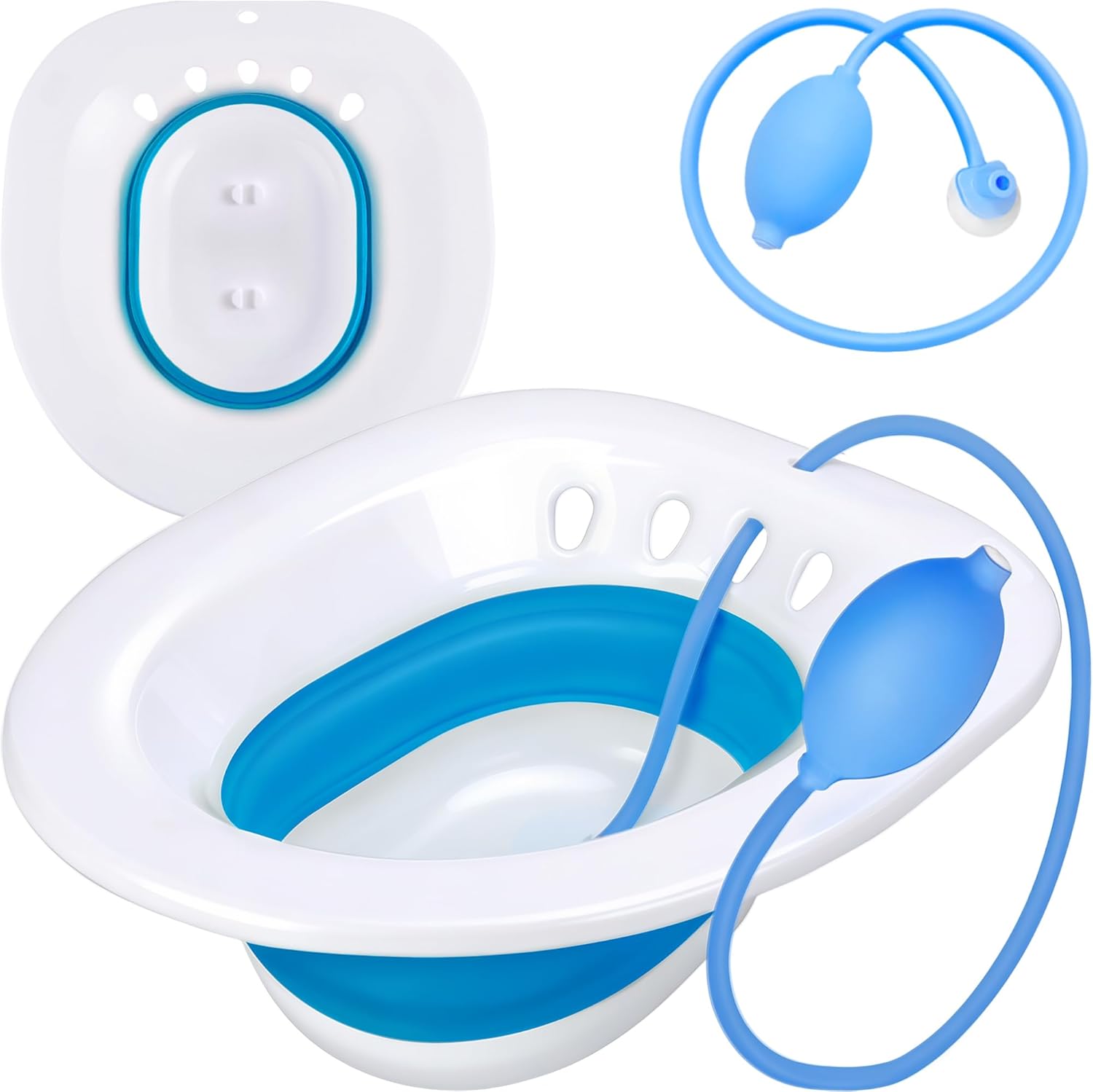
Collapsible sitz bath with flusher hose and wider seating.
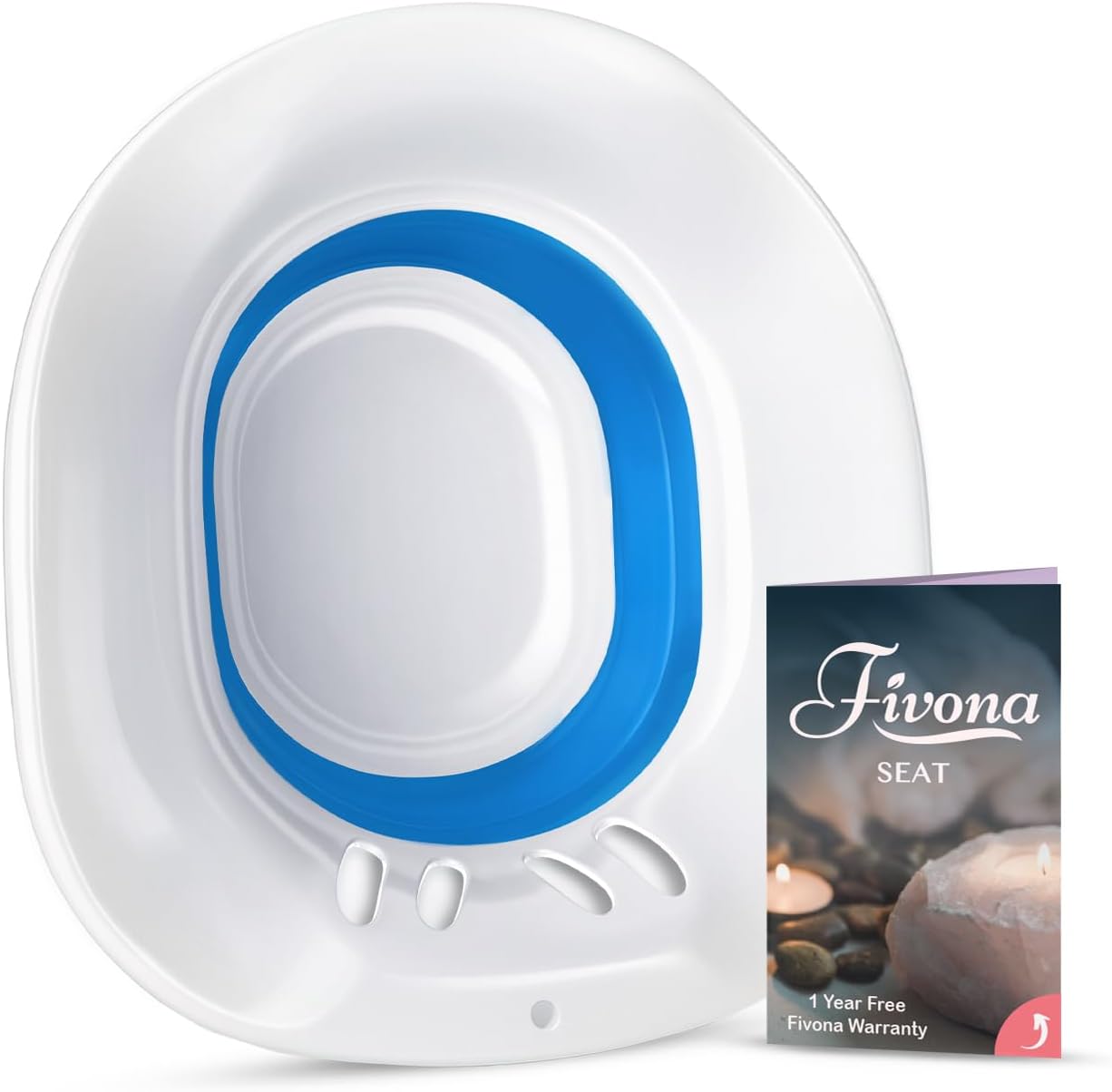
Foldable sitz bath with universal fit and ergonomic design.
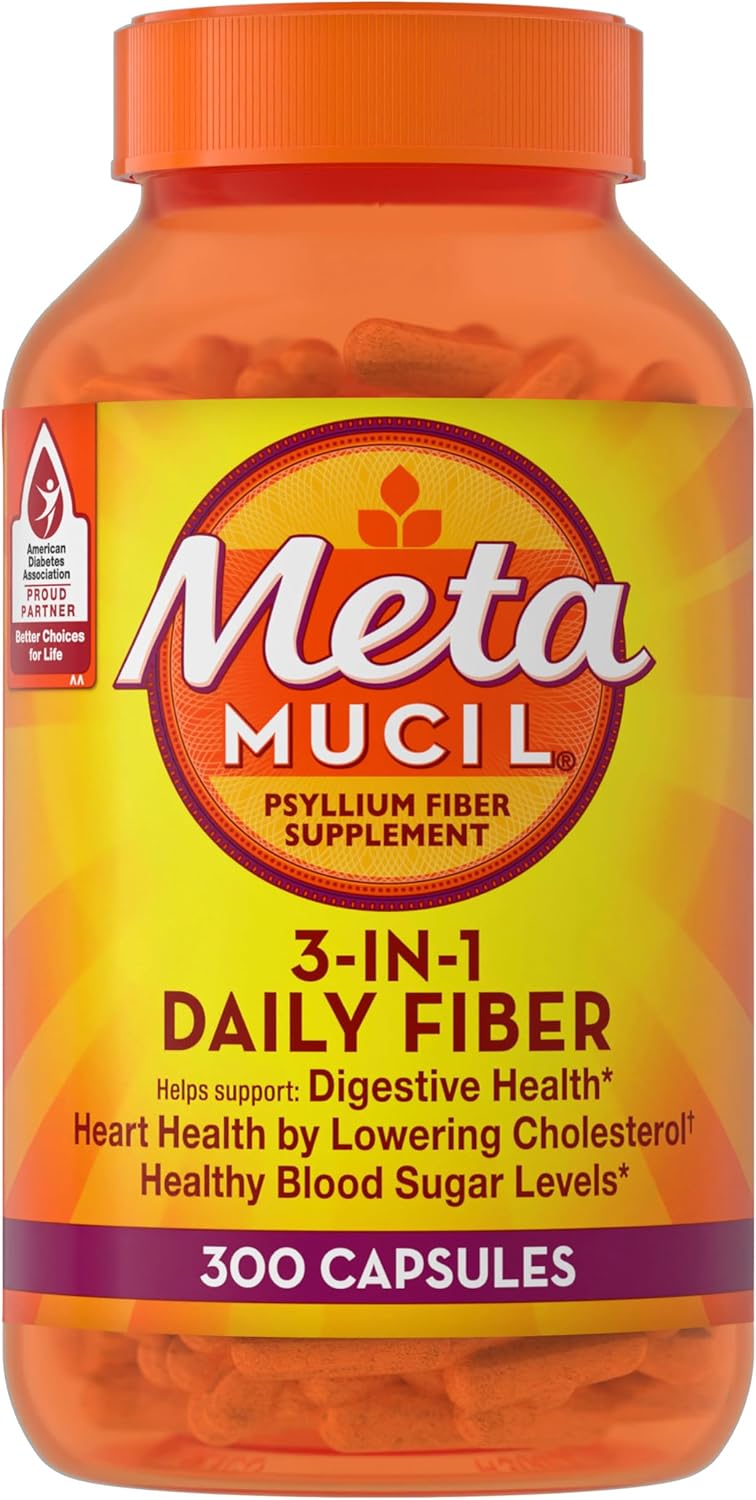
Psyllium fiber supplement to soften stool and reduce straining.
Sources & References
- Hemorrhoids — National Institute of Diabetes and Digestive and Kidney Diseases (NIDDK). Accessed February 10, 2026.
- Hemorrhoids - Symptoms and Causes — Mayo Clinic. Accessed February 10, 2026.
- Hemorrhoids and What to Do About Them — Harvard Health Publishing. Accessed February 10, 2026.
Related Articles
What Causes Hemorrhoids? The Complete Guide
Understanding why hemorrhoids develop is the first step to prevention and relief. Learn about the anatomy, risk factors, and common triggers.
Why Do Hemorrhoids Bleed? When to Worry
Rectal bleeding can be alarming. Learn why hemorrhoids bleed, what the blood looks like, and when bleeding requires medical attention.
Hemorrhoids During Pregnancy: Causes and Safe Relief
Up to 50% of pregnant women develop hemorrhoids. Learn why pregnancy causes hemorrhoids and which treatments are safe during pregnancy.
Written by the HemorrhoidCareGuide Team
Dedicated to helping people find relief through education and honest product recommendations.
Medical Disclaimer: This content is for informational purposes only and does not constitute medical advice. Always consult with a qualified healthcare provider for diagnosis and treatment of hemorrhoids or any medical condition.
Find Your Hemorrhoid Type
Take our free 2-minute assessment to identify your hemorrhoid type and get personalized product recommendations.
Take the Free AssessmentRelated Articles
What Causes Hemorrhoids? The Complete Guide
Understanding why hemorrhoids develop is the first step to prevention and relief. Learn about the anatomy, risk factors, and common triggers.
Why Do Hemorrhoids Bleed? When to Worry
Rectal bleeding can be alarming. Learn why hemorrhoids bleed, what the blood looks like, and when bleeding requires medical attention.