Thrombosed Hemorrhoid: Emergency or Not?
Thrombosed Hemorrhoid: Is It an Emergency?
A thrombosed hemorrhoid can cause sudden, intense pain that might make you think you need emergency care. But is it really an emergency? Here's how to know.
What Is a Thrombosed Hemorrhoid?
A thrombosed hemorrhoid occurs when a blood clot forms inside an external hemorrhoid. This causes:
- Sudden, severe pain
- Hard lump near the anus
- Bluish or purple discoloration
- Significant swelling
Is It an Emergency?
Usually NOT a medical emergency, but it can feel like one due to the intense pain.
Go to the ER If:
- You have severe, unbearable pain uncontrolled by medication
- Heavy bleeding that won't stop
- Signs of infection (fever, spreading redness, warmth, pus)
- Severe abdominal pain
- Unable to urinate
- Feeling faint or dizzy
Can Wait for Doctor Appointment If:
- Pain is intense but manageable
- No signs of infection
- You can still function
- Lump is present but not growing rapidly
The 72-Hour Window
If you see a doctor within 72 hours of symptom onset, they can drain the clot. This provides immediate relief.
After 72 hours:
- Drainage is less beneficial
- The body starts absorbing the clot
- Conservative treatment is recommended
Treatment Options
Within 72 Hours: Incision and Drainage
What happens:
- Local anesthetic numbs the area
- Small incision releases the clot
- Immediate pain relief
- Can be done in office
Recovery:
- Pain relief is immediate
- Wound heals in 1-2 weeks
- May have some drainage
After 72 Hours: Conservative Treatment
At home:
- Sitz baths 3-4 times daily
- Over-the-counter pain relievers
- Ice packs for swelling
- Topical hemorrhoid creams
- Stool softeners
Timeline:
- Pain peaks at 48-72 hours
- Gradually improves over days
- Full resolution in 2-4 weeks
- Clot is absorbed by body
Managing Pain at Home
1. Take pain relievers: Ibuprofen or acetaminophen 2. Apply ice: Wrapped in cloth, 15-20 minutes 3. Warm sitz baths: 15-20 minutes, several times daily 4. Keep area clean: Gentle washing 5. Use a donut cushion: When sitting 6. Sleep on your side: Reduces pressure
When the Lump Bursts
Sometimes thrombosed hemorrhoids rupture on their own:
- Can happen during bowel movement
- Releases the blood clot
- May cause bleeding
- Often provides relief
If this happens:
- Apply pressure with clean cloth
- Keep area clean
- Monitor for infection signs
- See doctor if bleeding doesn't stop
Can It Happen Again?
Yes, thrombosed hemorrhoids can recur. Prevention includes:
- Avoiding constipation
- Not straining
- Staying active
- Treating regular hemorrhoids promptly
Recovery Timeline
| Time | What to Expect |
|---|---|
| 0-24 hours | Pain increasing, swelling developing |
| 24-72 hours | Peak pain and swelling |
| Days 4-7 | Pain gradually decreasing |
| Week 2 | Significant improvement |
| Week 3-4 | Complete resolution |
When to Follow Up
See a doctor after initial treatment if:
- Pain worsens after initial improvement
- Signs of infection develop
- Symptoms don't improve after 2 weeks
- You want to discuss prevention
Learn more about what hemorrhoids look like and how long they last.
The Bottom Line
Thrombosed hemorrhoids are painful but rarely emergencies.
- Most resolve with home treatment
- Drainage can provide faster relief if done early
- Prevention is key to avoiding recurrence
Know when to see a doctor for hemorrhoids and consider a sitz bath or topical cream for at-home pain management while healing.
Take our hemorrhoid assessment quiz for personalized guidance.
Recommended Products
Disclosure: This page contains affiliate links. As an Amazon Associate we earn from qualifying purchases, at no extra cost to you.
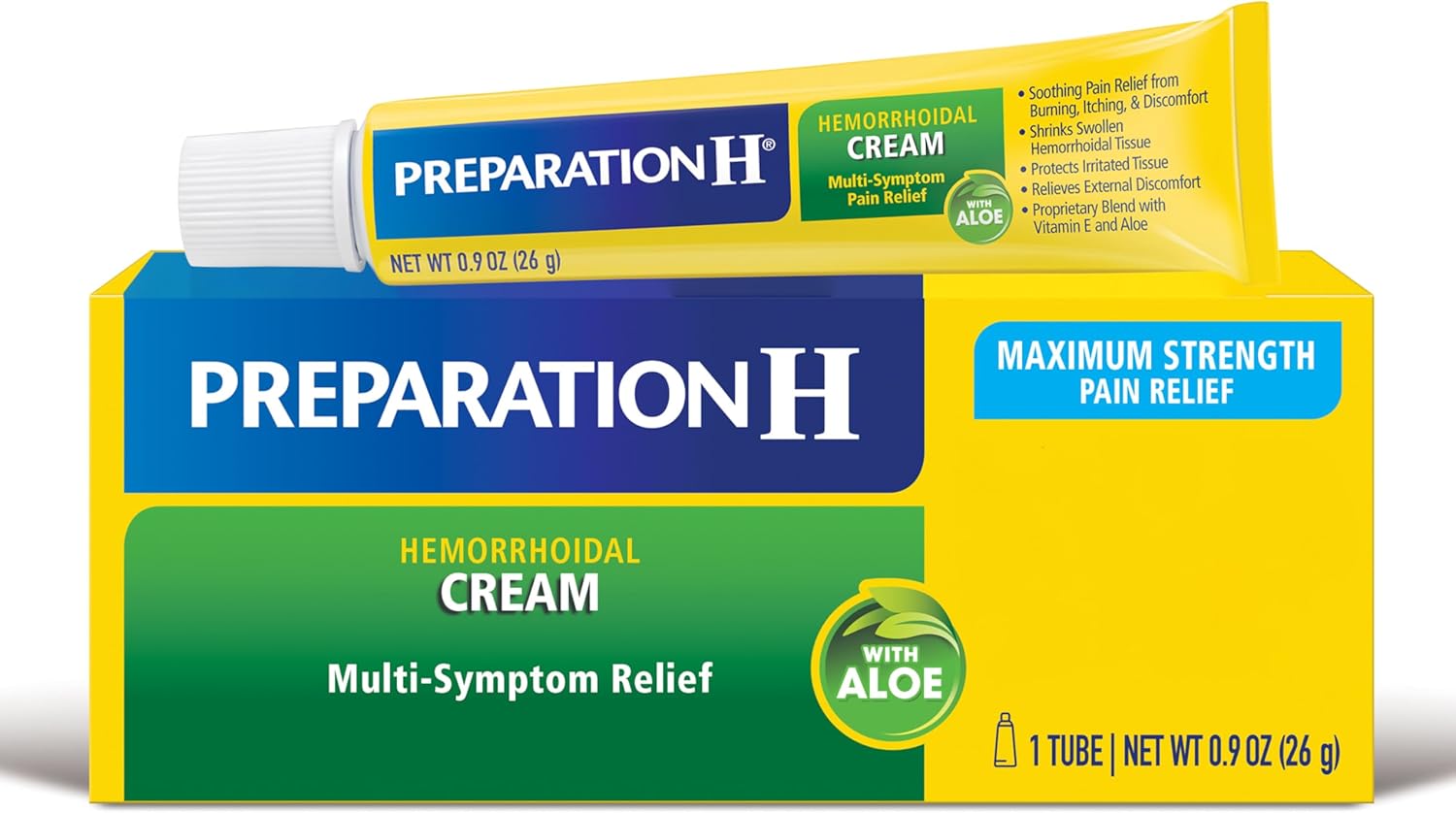
Maximum strength cream for pain, burning, and itching relief.
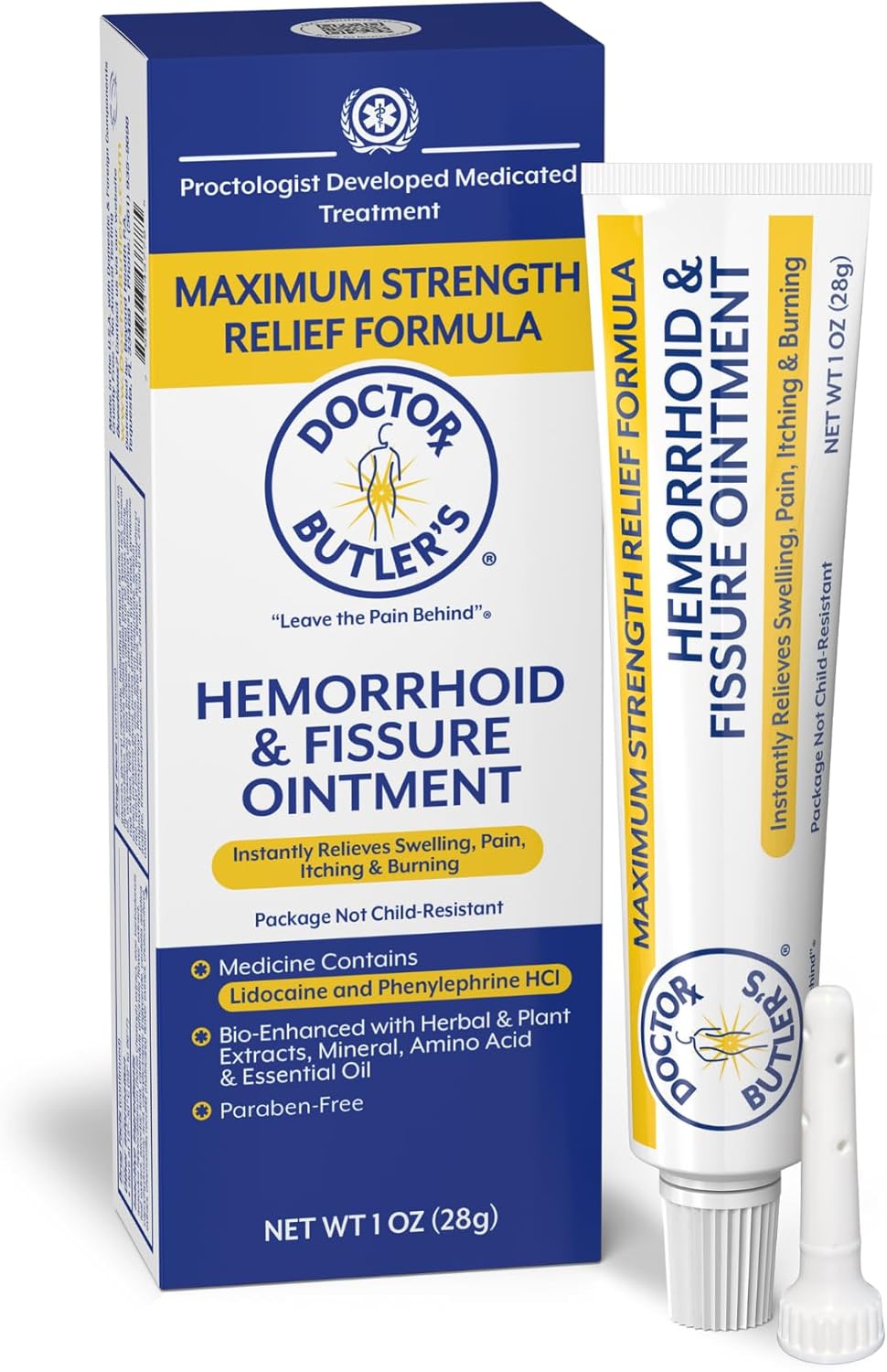
Proctologist-formulated ointment with lidocaine for fast relief.
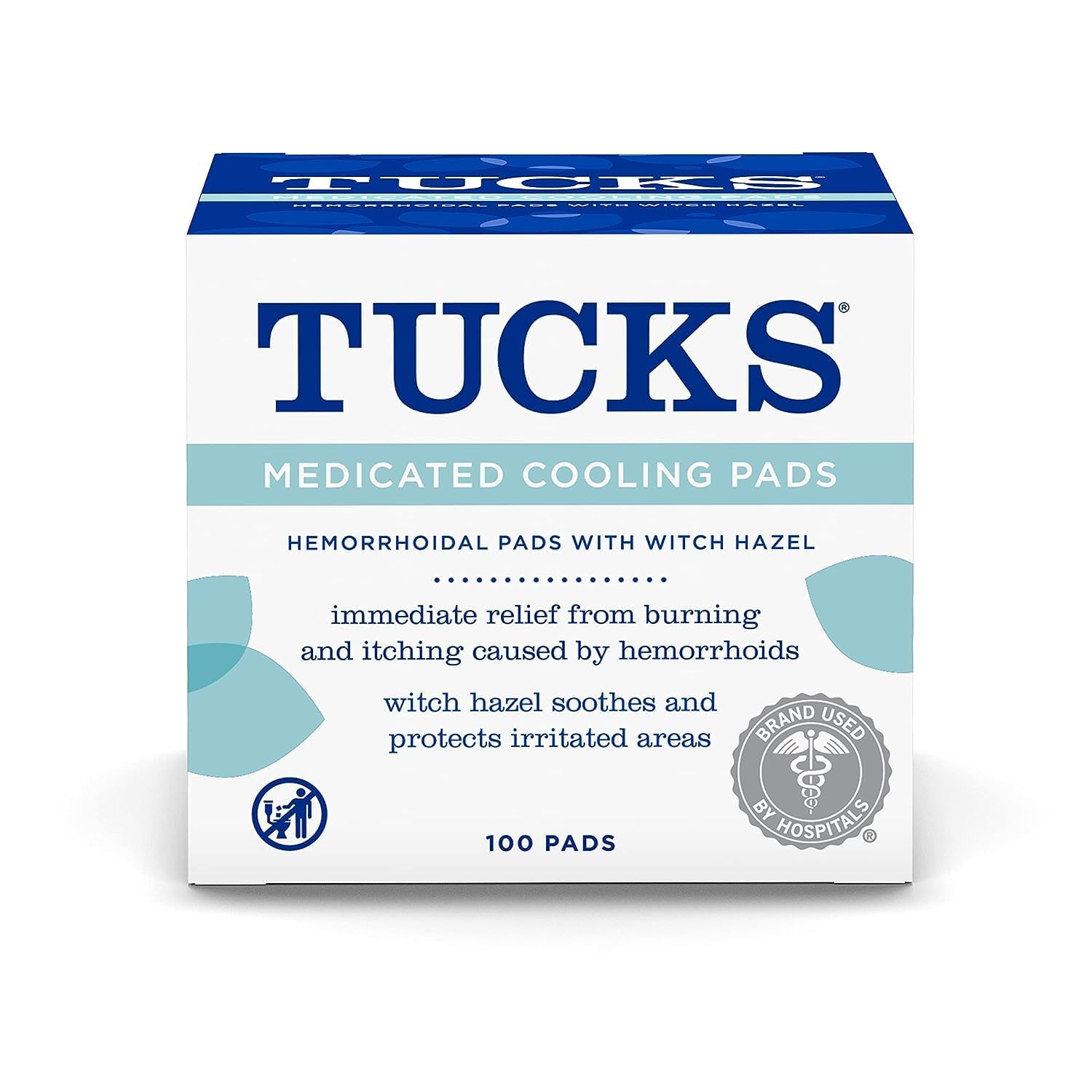
Witch hazel pads for soothing relief and gentle cleansing.
Sources & References
- Hemorrhoids — National Institute of Diabetes and Digestive and Kidney Diseases (NIDDK). Accessed February 10, 2026.
- Hemorrhoids - Symptoms and Causes — Mayo Clinic. Accessed February 10, 2026.
- Hemorrhoids: Symptoms, Causes & Treatment — Cleveland Clinic. Accessed February 10, 2026.
Related Articles
Hemorrhoid Banding: What to Expect
Rubber band ligation is the most common office procedure for hemorrhoids. Learn about the process, recovery, and what to expect.
Hemorrhoids vs Colorectal Cancer: Knowing the Difference
Rectal bleeding can have multiple causes. Learn the key differences between hemorrhoid symptoms and warning signs of colorectal cancer.
What Causes Hemorrhoids? The Complete Guide
Understanding why hemorrhoids develop is the first step to prevention and relief. Learn about the anatomy, risk factors, and common triggers.
Written by the HemorrhoidCareGuide Team
Dedicated to helping people find relief through education and honest product recommendations.
Medical Disclaimer: This content is for informational purposes only and does not constitute medical advice. Always consult with a qualified healthcare provider for diagnosis and treatment of hemorrhoids or any medical condition.
Find Your Hemorrhoid Type
Take our free 2-minute assessment to identify your hemorrhoid type and get personalized product recommendations.
Take the Free AssessmentRelated Articles
Hemorrhoid Banding: What to Expect
Rubber band ligation is the most common office procedure for hemorrhoids. Learn about the process, recovery, and what to expect.
Rectal bleeding can have multiple causes. Learn the key differences between hemorrhoid symptoms and warning signs of colorectal cancer.