Safe Hemorrhoid Treatment Options During Pregnancy
Hemorrhoids are common during pregnancy due to increased pressure on pelvic blood vessels. While many treatments are safe during pregnancy, some should be avoided. We've identified the safest and most effective options for expecting mothers dealing with hemorrhoid discomfort.
Quick Comparison
| # | Product | |
|---|---|---|
| 1 | Metamucil Psyllium Husk Fiber SupplementTop Pick | |
| 2 | LUXE Bidet Toilet Seat AttachmentTop Pick | |
| 3 | Pochik Sitz Bath for Toilet SeatTop Pick | |
| 4 | Fivona Foldable Sitz Bath for Toilet SeatTop Pick | |
| 5 | Cottonelle Fresh Care Flushable WipesTop Pick | |
| 6 | Tucks Medicated Cooling PadsTop Pick |
Detailed Product Reviews
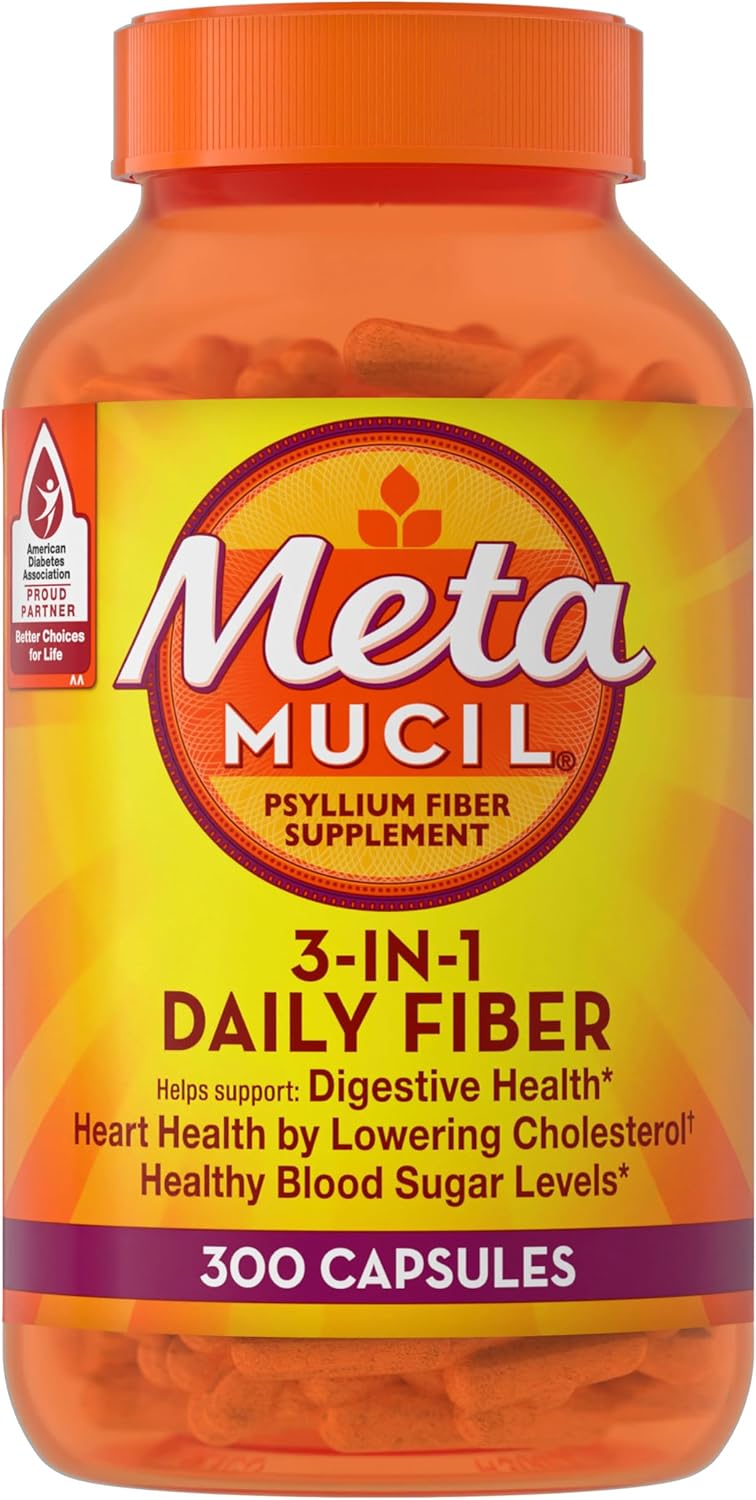
Metamucil Psyllium Husk Fiber Supplement
Psyllium fiber supplement to soften stool and reduce straining.
- +Clinically proven effective
- +Natural psyllium fiber
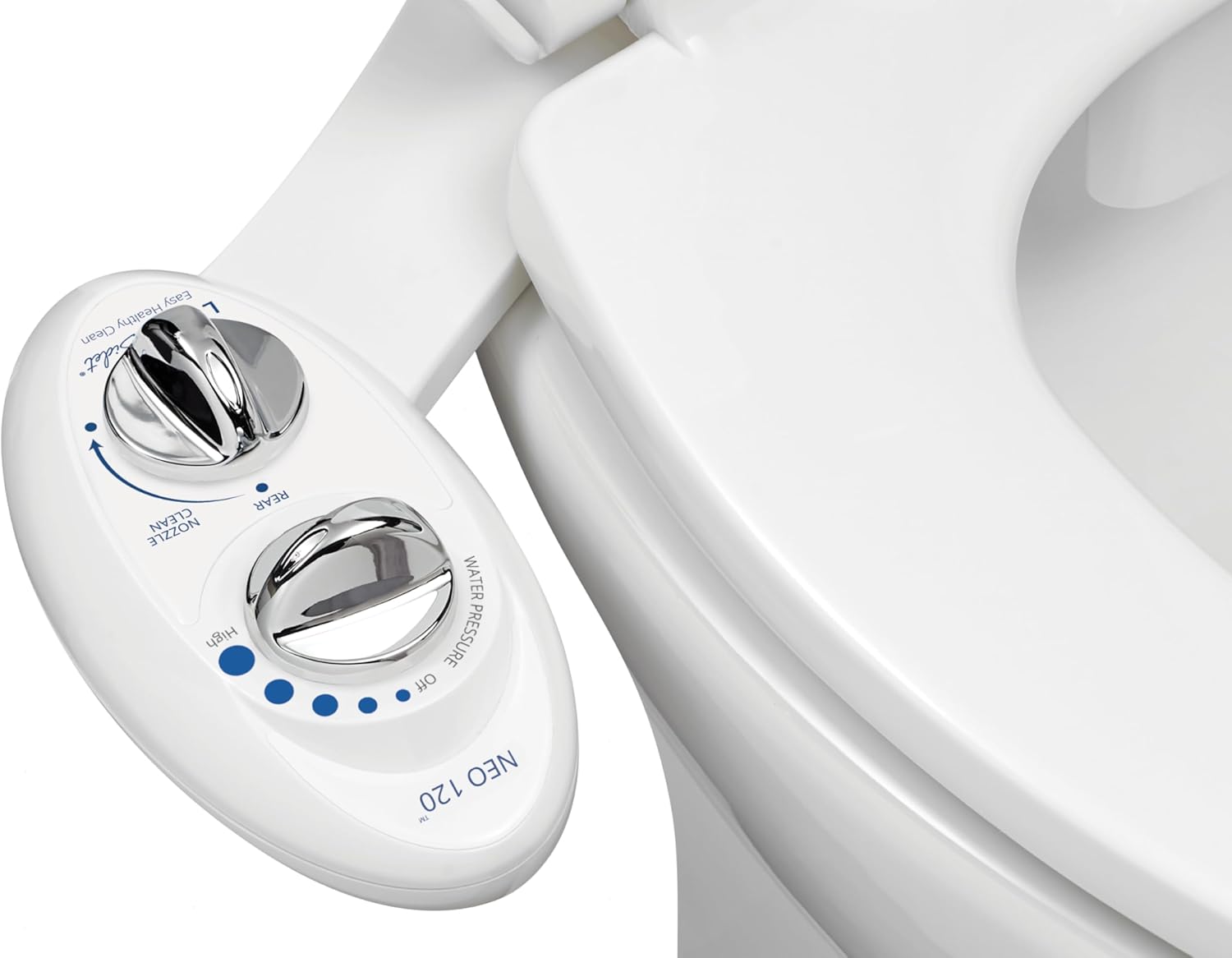
LUXE Bidet Toilet Seat Attachment
Gentle water cleansing - the gold standard for hemorrhoid hygiene.
- +Eliminates irritating wiping
- +Most hygienic option
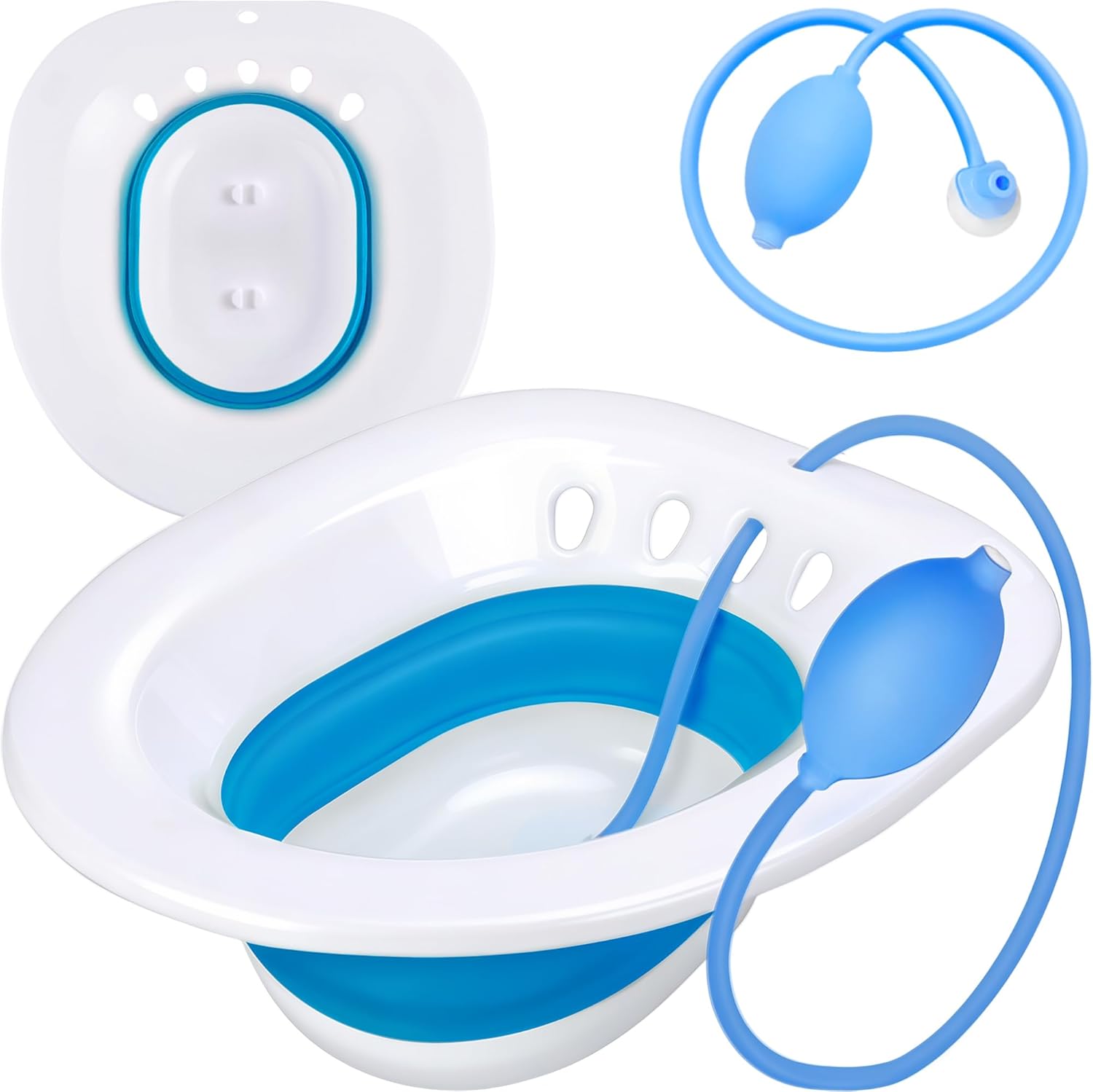
Pochik Sitz Bath for Toilet Seat
Collapsible sitz bath with flusher hose and wider seating.
- +Collapsible design for easy storage
- +Wider seating area for comfort
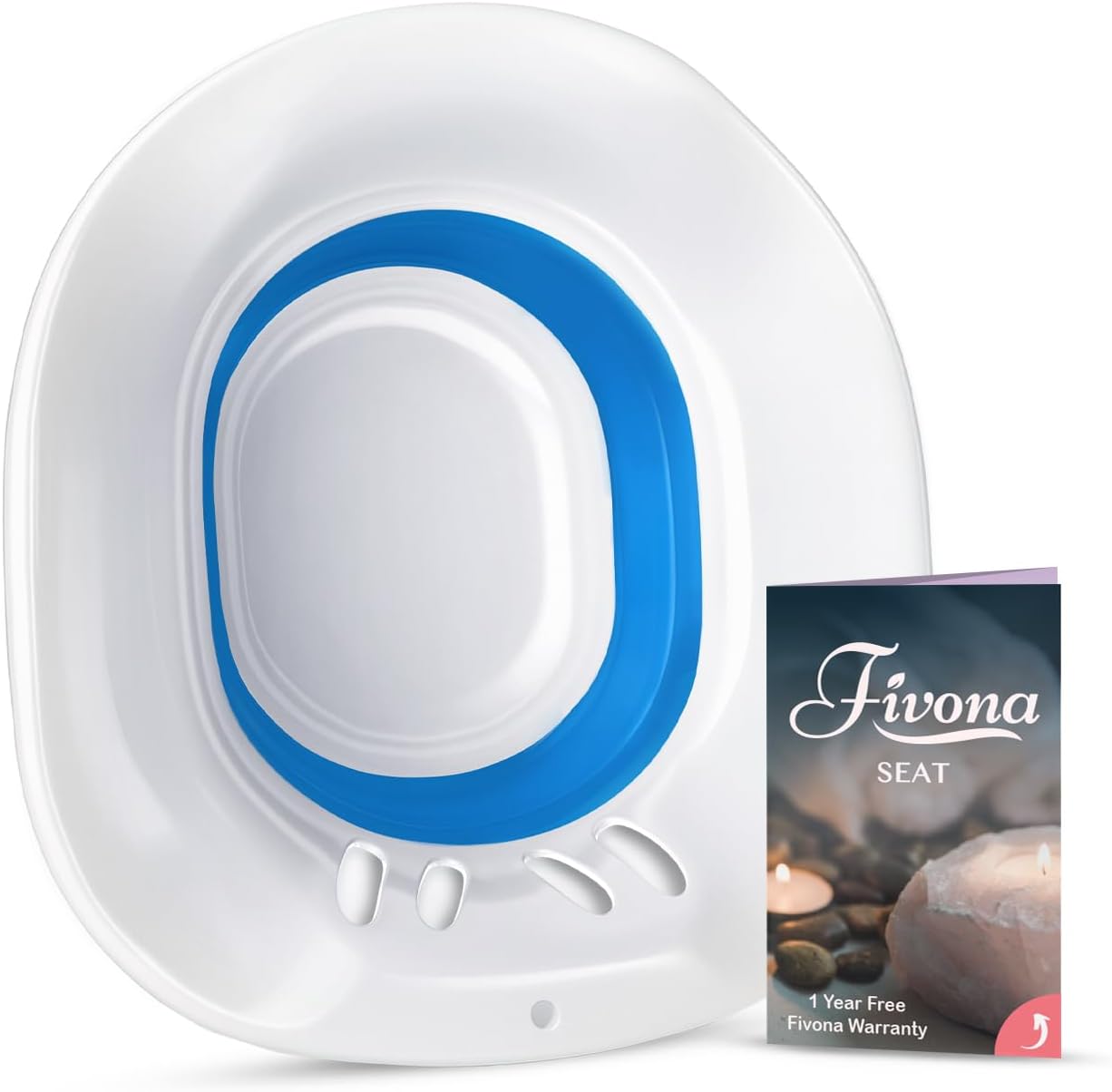
Fivona Foldable Sitz Bath for Toilet Seat
Foldable sitz bath with universal fit and ergonomic design.
- +Foldable design - stores in 2 inches
- +Universal fit for 99% of toilets
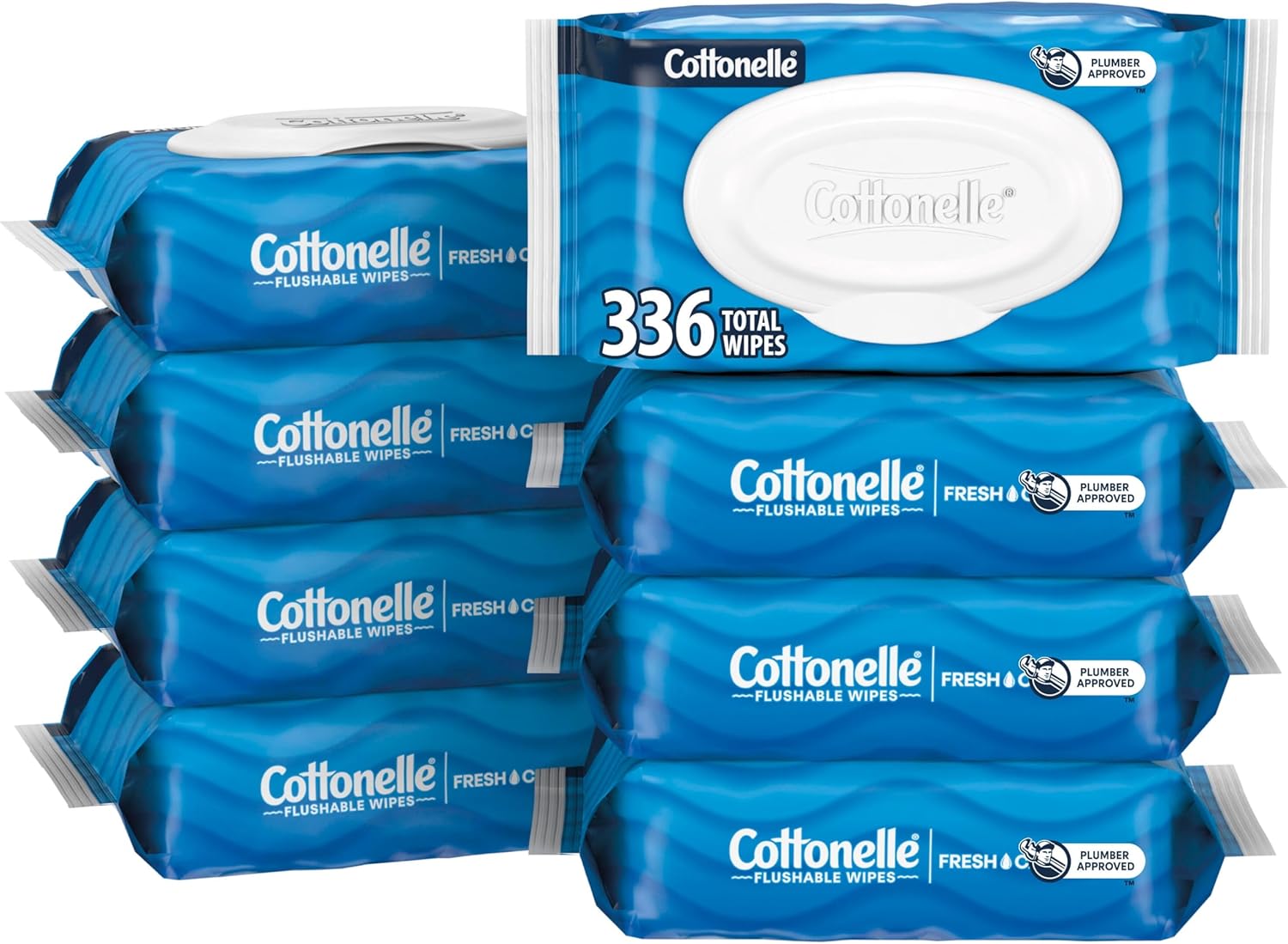
Cottonelle Fresh Care Flushable Wipes
Gentle flushable wipes for a cleaner, fresher feeling.
- +Septic-safe and flushable
- +Alcohol-free formula
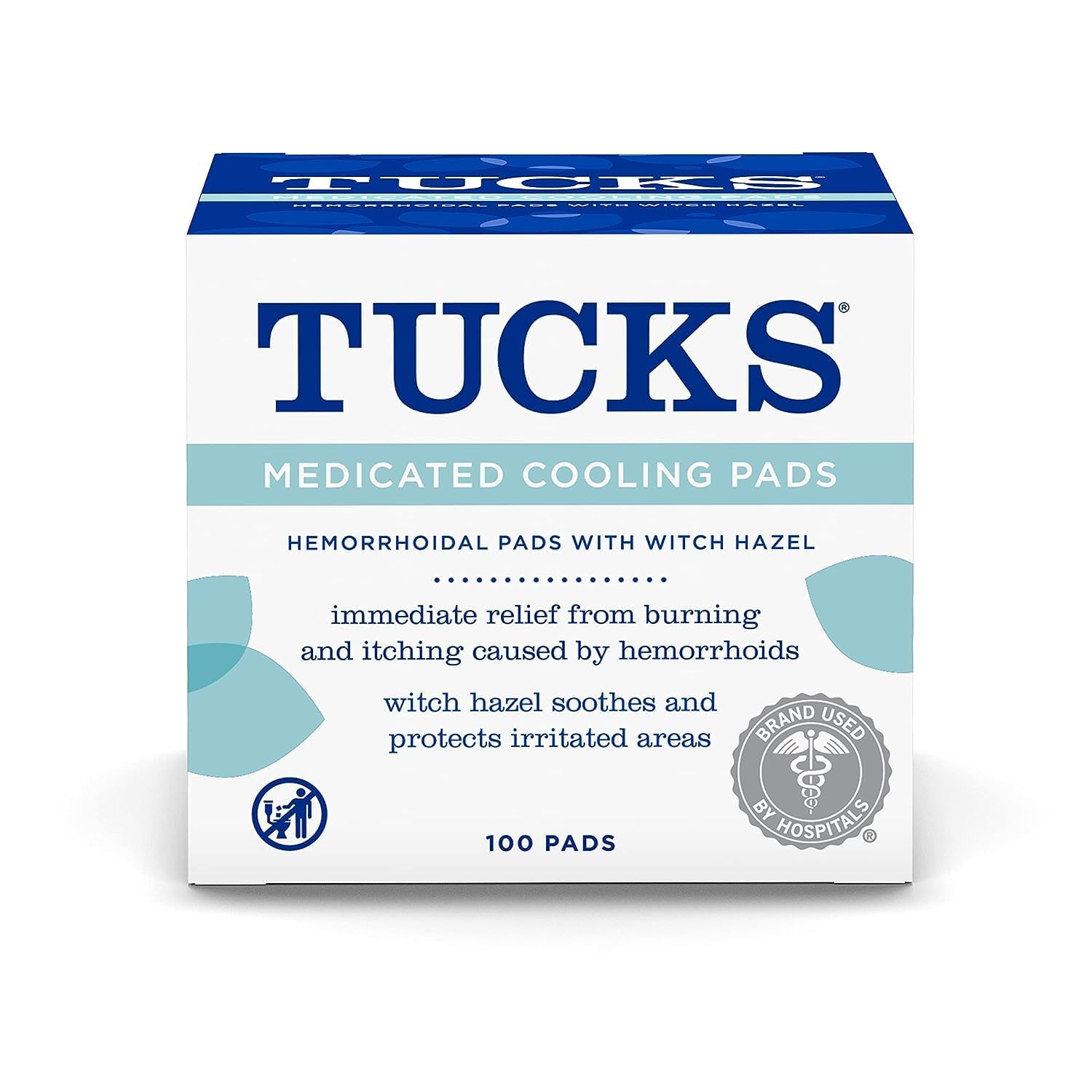
Tucks Medicated Cooling Pads
Witch hazel pads for soothing relief and gentle cleansing.
- +Natural witch hazel formula
- +Cooling and soothing sensation
Not sure which product is right for you? Our free 2-minute assessment identifies your hemorrhoid type and recommends the best products.
Take the Free AssessmentHow We Evaluate Pregnancy-Safe Hemorrhoid Treatments
Safety is the primary filter for every product on this page. A treatment can be effective for hemorrhoids but inappropriate during pregnancy due to ingredient concerns, systemic absorption risk, or insufficient safety data in pregnant populations. Our evaluation prioritizes safety over efficacy — a safer product with moderate effectiveness ranks higher than a more potent product with uncertain pregnancy safety.
Safety Assessment Process
Ingredient Screening. We cross-reference each active ingredient against the FDA's OTC monograph for anorectal products, ACOG (American College of Obstetricians and Gynecologists) practice guidelines, and the NIH LactMed database for breastfeeding compatibility. Ingredients are categorized as generally safe, use with caution, or avoid during pregnancy.
Systemic Absorption Risk. Topical products applied to the anorectal area can be absorbed into the bloodstream, particularly when applied to broken or inflamed tissue. We note which ingredients have measurable systemic absorption and whether that absorption level has been studied in pregnant populations.
Trimester Considerations. Not all trimesters carry the same risk profile. First trimester is the period of greatest caution (organogenesis), while many treatments become appropriate in the second and third trimesters. We note trimester-specific safety where published data exists.
Important: This guide provides general information based on published medical data. It does not replace advice from your OB/GYN or midwife. We are not medical professionals. See our editorial standards for details on our research process.
Why Hemorrhoids Develop During Pregnancy
Up to 50% of pregnant women develop hemorrhoids, making them one of the most common pregnancy complaints. Understanding why they occur helps you choose the right prevention and treatment strategies at each stage.
The Physiological Factors
Increased blood volume. By the third trimester, total blood volume increases 40–50%. This extra volume raises pressure throughout the venous system, including the hemorrhoidal veins. These veins, which lack valves to prevent backflow, become especially susceptible to engorgement.
Uterine compression. As the uterus grows, it compresses the inferior vena cava — the large vein returning blood from the lower body to the heart. This impedes venous return from the pelvic region, causing blood to pool in hemorrhoidal vessels. The effect peaks in the third trimester and worsens when lying on your back. For a deeper look, see our article on the physiological causes of hemorrhoids.
Progesterone effects. Progesterone, which rises steadily throughout pregnancy, relaxes smooth muscle tissue. While necessary to prevent uterine contractions, it also slows gastrointestinal motility — leading to constipation and straining, the primary mechanical cause of hemorrhoid development.
Additional contributors: Iron supplements (commonly prescribed in pregnancy) worsen constipation. Reduced physical activity in later pregnancy slows colonic transit. The combination of these factors creates conditions for hemorrhoids even in women who have never had them before.
Labor and delivery. The pushing phase of vaginal delivery places enormous pressure on pelvic blood vessels. Many women who avoided hemorrhoids during pregnancy develop them during delivery. Our postpartum recovery guide covers this transition in detail.
Pregnancy Ingredient Safety: What You Can and Cannot Use
Generally Safe Throughout Pregnancy
- Witch hazel — Natural astringent with no systemic absorption. Found in Tucks Medicated Cooling Pads, widely recommended by OBs as a first-line pregnancy-safe option.
- Petrolatum and zinc oxide — Barrier protectants that sit on the skin surface and are not absorbed. Safe for unlimited use.
- Glycerin and cocoa butter — Safe emollients used in many hemorrhoid products.
- Warm water sitz baths — No medication involved. See our sitz bath product guide for recommended basins. Avoid adding essential oils in the first trimester.
- Psyllium fiber supplements — Not absorbed systemically and safe throughout pregnancy. Metamucil helps prevent the constipation that triggers hemorrhoids. Learn more about building a fiber-rich diet during pregnancy.
Use With Caution (Consult Your OB)
- Pramoxine (1%) — Topical anesthetic with minimal systemic absorption. Generally considered safe but confirm with your provider.
- Lidocaine (topical, up to 5%) — Low systemic absorption when applied topically. Many practitioners permit short-term use for severe pain, but extended use should be discussed.
Avoid Without Doctor Approval
- Hydrocortisone — Corticosteroid that can thin skin with prolonged use. Some OBs permit brief use (3–5 days) for acute flare-ups, but it is not a first-line choice during pregnancy.
- Phenylephrine — Vasoconstrictor with theoretical blood pressure effects. While systemic absorption from topical application is minimal, the risk-benefit calculation changes during pregnancy.
When in doubt, witch hazel products and warm sitz baths are the safest starting point. Escalate to medicated options only after discussing with your healthcare provider. See our guide on evidence-based natural approaches for additional non-medicated options.
Trimester-by-Trimester Treatment Timeline
First trimester (weeks 1–12): Focus on prevention. Increase fiber to 25–30g daily, drink 8+ glasses of water, and maintain gentle activity like walking or pregnancy-safe exercises. If hemorrhoids are present, use witch hazel pads and plain warm-water sitz baths. Minimize unnecessary medications during organogenesis.
Second trimester (weeks 13–27): Hemorrhoids may appear as blood volume increases. Add a psyllium fiber supplement if dietary fiber is insufficient. Gentle witch hazel wipes after bowel movements reduce irritation. A hemorrhoid cushion becomes helpful as sitting comfort decreases.
Third trimester (weeks 28–40): Peak hemorrhoid incidence. The full range of pregnancy-safe OTC options is appropriate. Sleep on your left side to reduce vena cava compression. Use a toilet-mounted sitz bath basin for convenient daily soaking. Kegel exercises support pelvic floor strength before labor.
Labor and delivery: Pushing during vaginal delivery can create new hemorrhoids or significantly worsen existing ones. Ice packs and witch hazel pads are typically offered immediately postpartum. Discuss hemorrhoid management with your delivery team in advance.
Postpartum (weeks 1–6): Most pregnancy-related hemorrhoids improve within 2–6 weeks as hormones normalize and pelvic pressure decreases. Sitz baths 3–4 times daily, stool softeners, and continued fiber supplementation support recovery. If symptoms persist beyond 6 weeks, consult your OB. See our complete pregnancy hemorrhoid guide for additional strategies at each stage.
When to Call Your OB: Red Flags During Pregnancy
While hemorrhoids during pregnancy are common and typically manageable at home, certain symptoms warrant prompt medical attention. Do not assume all anorectal symptoms are hemorrhoids — pregnancy increases the risk of several conditions that can mimic hemorrhoid symptoms.
Contact your OB/GYN if you experience:
- Any rectal bleeding during pregnancy (even minor bleeding should be reported)
- Severe pain not relieved by witch hazel, sitz baths, or other safe treatments
- A hard, painful lump that appeared suddenly (possible thrombosed hemorrhoid)
- Fever alongside anorectal symptoms (possible abscess or infection)
- Prolapsed tissue that cannot be gently repositioned
- Symptoms interfering with sleep, eating, or daily function
Postpartum Escalation
After delivery, more treatment options become available. If hemorrhoids have not resolved by your 6-week checkup, your provider can discuss medical intervention options including rubber band ligation. Most postpartum hemorrhoids treated promptly respond well and do not become chronic.
For a complete approach combining safe products with lifestyle changes, explore our guides on gentle hygiene alternatives and OTC cream options appropriate for postpartum use.
Frequently Asked Questions
Related Buying Guides
Comparing your options? Explore our other hemorrhoid product guides:
Related Articles
Learn more about hemorrhoid care with these helpful guides:
Find Your Perfect Treatment
Get personalized product recommendations based on your specific hemorrhoid type.
Affiliate Disclosure: We may earn a commission when you purchase through our links, at no additional cost to you. This helps support our research and content creation. We only recommend products we believe are effective for hemorrhoid relief. Last updated: January 2026.