Hemorrhoids During Pregnancy: Causes and Safe Relief
Hemorrhoids During Pregnancy: Causes and Safe Relief
Hemorrhoids are one of the most common discomforts of pregnancy, affecting up to 50% of pregnant women. The good news? Most pregnancy hemorrhoids resolve after delivery with proper care.
Why Pregnancy Causes Hemorrhoids
Several factors combine to make hemorrhoids more likely during pregnancy:
1. Increased Blood Volume
Your blood volume increases by 50% during pregnancy, putting more pressure on blood vessels throughout your body, including those in the rectal area.2. Growing Uterus
As your baby grows, the enlarged uterus presses on the pelvic veins and the inferior vena cava, slowing blood return from the lower body and increasing pressure on rectal veins.3. Hormonal Changes
Progesterone relaxes the walls of blood vessels, making them more likely to swell. It also slows intestinal movement, leading to constipation.4. Constipation
Pregnancy hormones slow digestion, and iron supplements (common in prenatal vitamins) can cause constipation. Straining to pass hard stools is a direct cause of hemorrhoids.5. Labor and Delivery
Pushing during delivery creates intense pressure that can cause or worsen hemorrhoids. This is why many women develop hemorrhoids postpartum.Safe Treatments During Pregnancy
Always check with your healthcare provider before using any treatment during pregnancy. Our pregnancy-safe hemorrhoid treatments guide reviews doctor-approved options by trimester.
Definitely Safe
- Sitz baths: Warm water soaks for 15-20 minutes
- Ice packs: Wrapped in cloth, applied for short periods
- Witch hazel pads: Natural and soothing
- Fiber-rich foods: Fruits, vegetables, whole grains
- Increased water intake: 8-10 glasses daily
- Gentle exercise: Walking, swimming
Usually Safe (Ask Your Doctor)
- Stool softeners (like Colace): Often recommended
- Fiber supplements: Metamucil, Benefiber
- Topical creams: Some are safe, others should be avoided
Avoid Without Doctor Approval
- Hydrocortisone creams (limit use)
- Oral pain medications
- Laxatives (some types)
Prevention During Pregnancy
1. Eat high-fiber foods at every meal 2. Stay hydrated - drink water throughout the day 3. Stay active - don't sit or stand for long periods 4. Don't delay bathroom trips 5. Sleep on your side to reduce pressure 6. Do Kegel exercises to improve circulation
Trimester-by-Trimester Tips
First Trimester
Start prevention early with fiber and hydration before hemorrhoids develop.Second Trimester
As the uterus grows, be proactive about movement and positioning.Third Trimester
Use a pregnancy pillow, take frequent position changes, and start sitz baths if needed.Postpartum
Continue treatment - most pregnancy hemorrhoids resolve within weeks after delivery. For a complete recovery plan after giving birth, see our postpartum hemorrhoid treatment guide.When to Call Your Doctor
Contact your healthcare provider if:
- Bleeding is heavy
- Pain is severe
- Symptoms don't improve
- You're unsure if it's hemorrhoids
- You have fever or signs of infection
The Bottom Line
Pregnancy hemorrhoids are common and manageable. Focus on prevention through diet and lifestyle, use safe treatments, and know that relief is coming after delivery.
Pregnancy is just one of several life situations that require specialized hemorrhoid care. See our full guide to hemorrhoid relief by situation for how treatment approaches differ across circumstances.
For more information, learn about what causes hemorrhoids and when to see a doctor. Our guide on natural hemorrhoid remedies covers treatments safe for most people. You can also browse our picks for pregnancy-safe hemorrhoid treatments and top-rated sitz baths.
Take our hemorrhoid assessment quiz for more personalized recommendations.
Recommended Products
Disclosure: This page contains affiliate links. As an Amazon Associate we earn from qualifying purchases, at no extra cost to you.
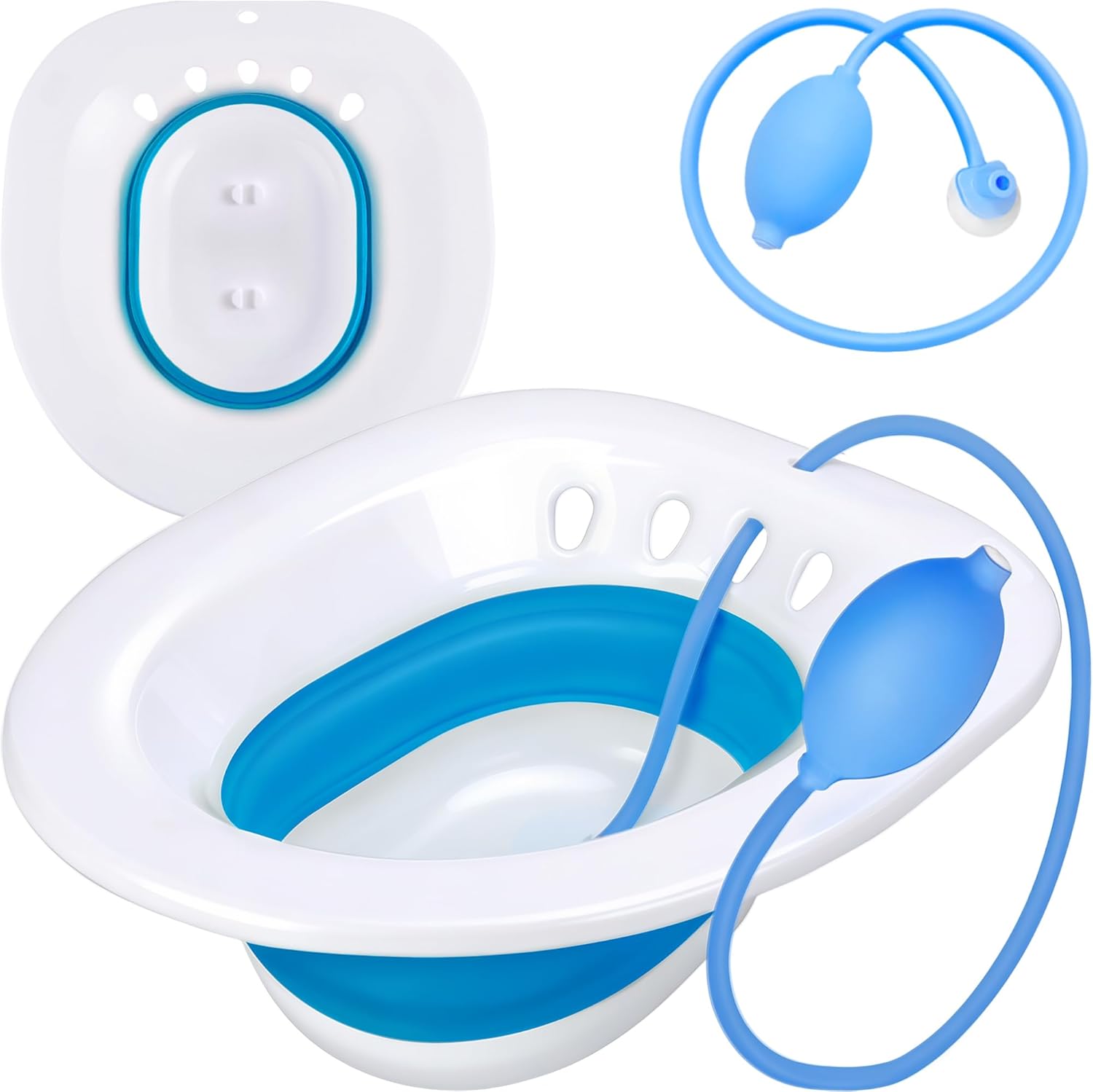
Collapsible sitz bath with flusher hose and wider seating.
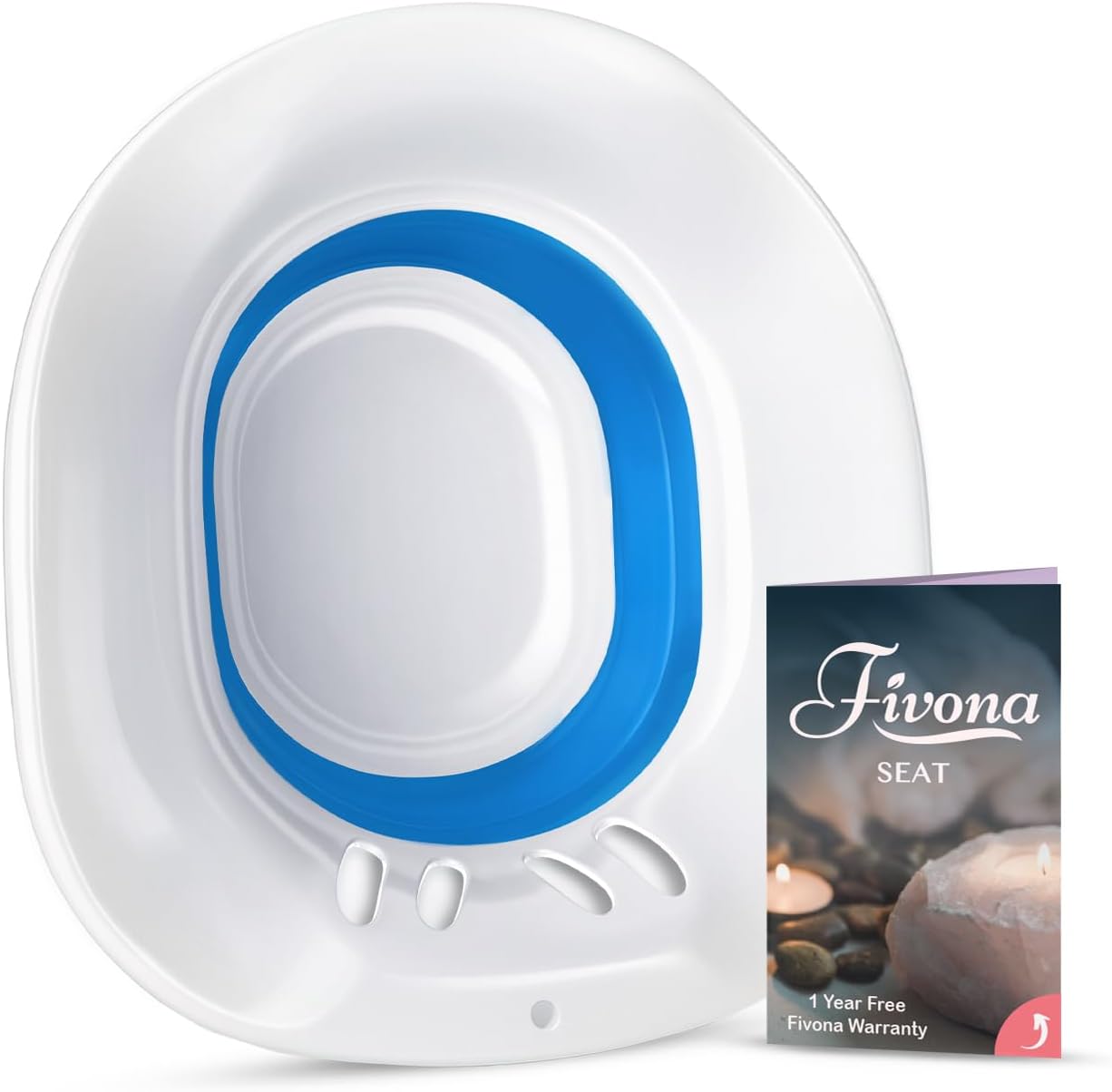
Foldable sitz bath with universal fit and ergonomic design.
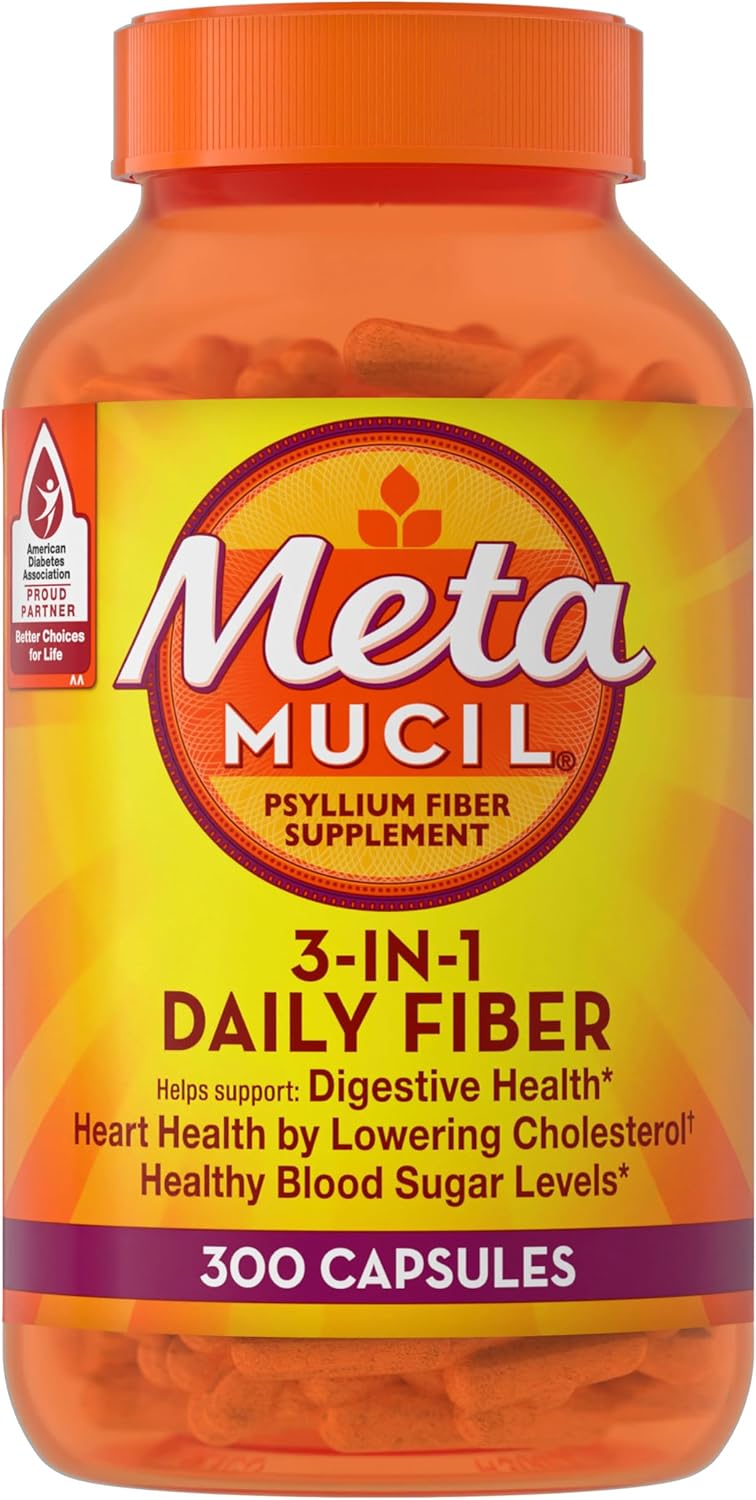
Psyllium fiber supplement to soften stool and reduce straining.
Sources & References
- What Can I Do for Hemorrhoids During Pregnancy? — American College of Obstetricians and Gynecologists (ACOG). Accessed February 10, 2026.
- Hemorrhoids - Symptoms and Causes — Mayo Clinic. Accessed February 10, 2026.
- Hemorrhoids: Symptoms, Causes & Treatment — Cleveland Clinic. Accessed February 10, 2026.
Related Articles
What Causes Hemorrhoids? The Complete Guide
Understanding why hemorrhoids develop is the first step to prevention and relief. Learn about the anatomy, risk factors, and common triggers.
Internal vs External Hemorrhoids: Key Differences Explained
Learn the differences between internal and external hemorrhoids, including symptoms, causes, and treatment approaches for each type.
Why Do Hemorrhoids Bleed? When to Worry
Rectal bleeding can be alarming. Learn why hemorrhoids bleed, what the blood looks like, and when bleeding requires medical attention.
Written by the HemorrhoidCareGuide Team
Dedicated to helping people find relief through education and honest product recommendations.
Medical Disclaimer: This content is for informational purposes only and does not constitute medical advice. Always consult with a qualified healthcare provider for diagnosis and treatment of hemorrhoids or any medical condition.
Find Your Hemorrhoid Type
Take our free 2-minute assessment to identify your hemorrhoid type and get personalized product recommendations.
Take the Free AssessmentRelated Articles
What Causes Hemorrhoids? The Complete Guide
Understanding why hemorrhoids develop is the first step to prevention and relief. Learn about the anatomy, risk factors, and common triggers.
Internal vs External Hemorrhoids: Key Differences Explained
Learn the differences between internal and external hemorrhoids, including symptoms, causes, and treatment approaches for each type.