Best Fiber Supplement for Hemorrhoids: Stop Straining, Start Healing
Looking for the best fiber supplement for hemorrhoids? Straining during bowel movements is the primary mechanical cause of hemorrhoid flare-ups, and the right fiber supplement eliminates straining by softening stools. We've compared psyllium, methylcellulose, and wheat dextrin supplements across powder, capsule, and gummy forms to help you find the most effective option for hemorrhoid relief and prevention.
Quick Comparison
Detailed Product Reviews
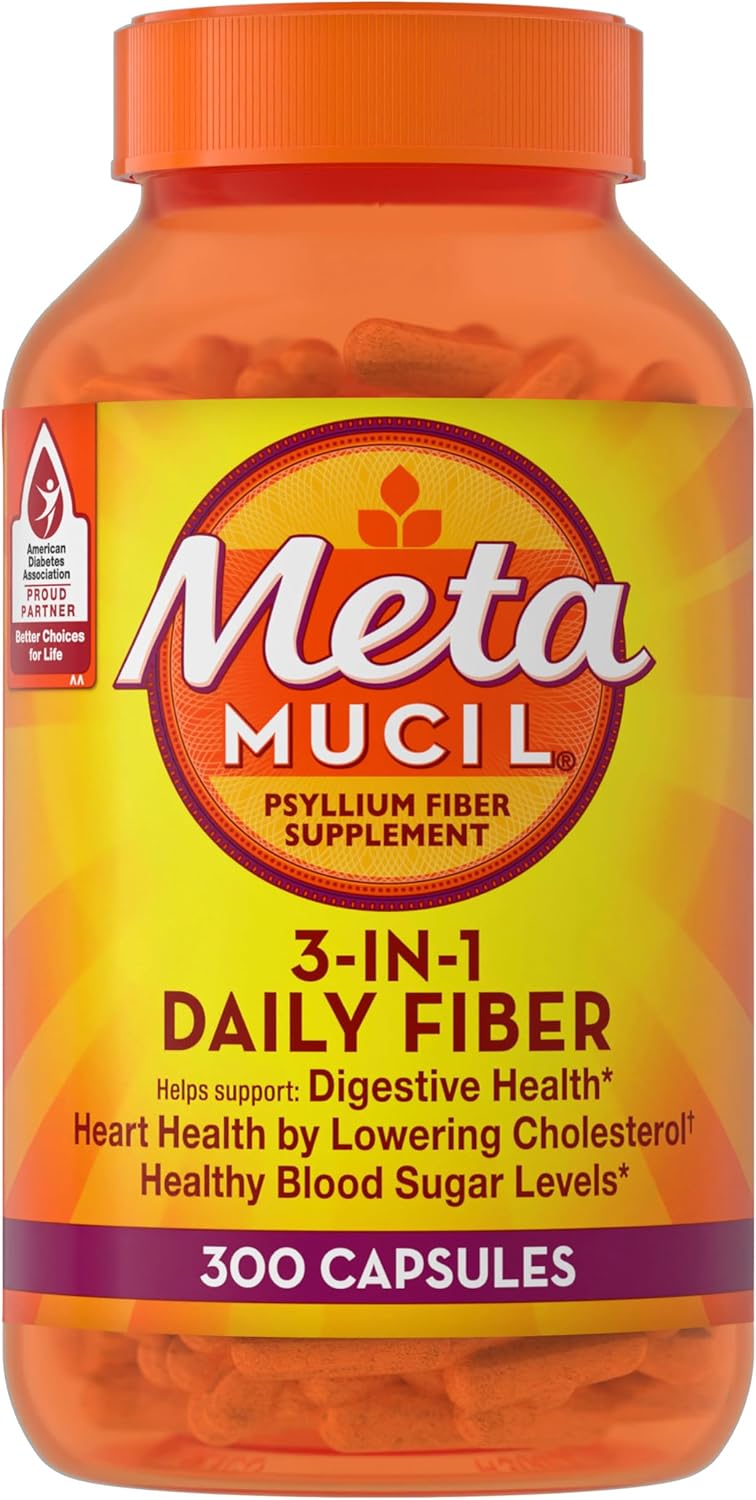
Metamucil Psyllium Husk Fiber Supplement
Psyllium fiber supplement to soften stool and reduce straining.
- +Clinically proven effective
- +Natural psyllium fiber
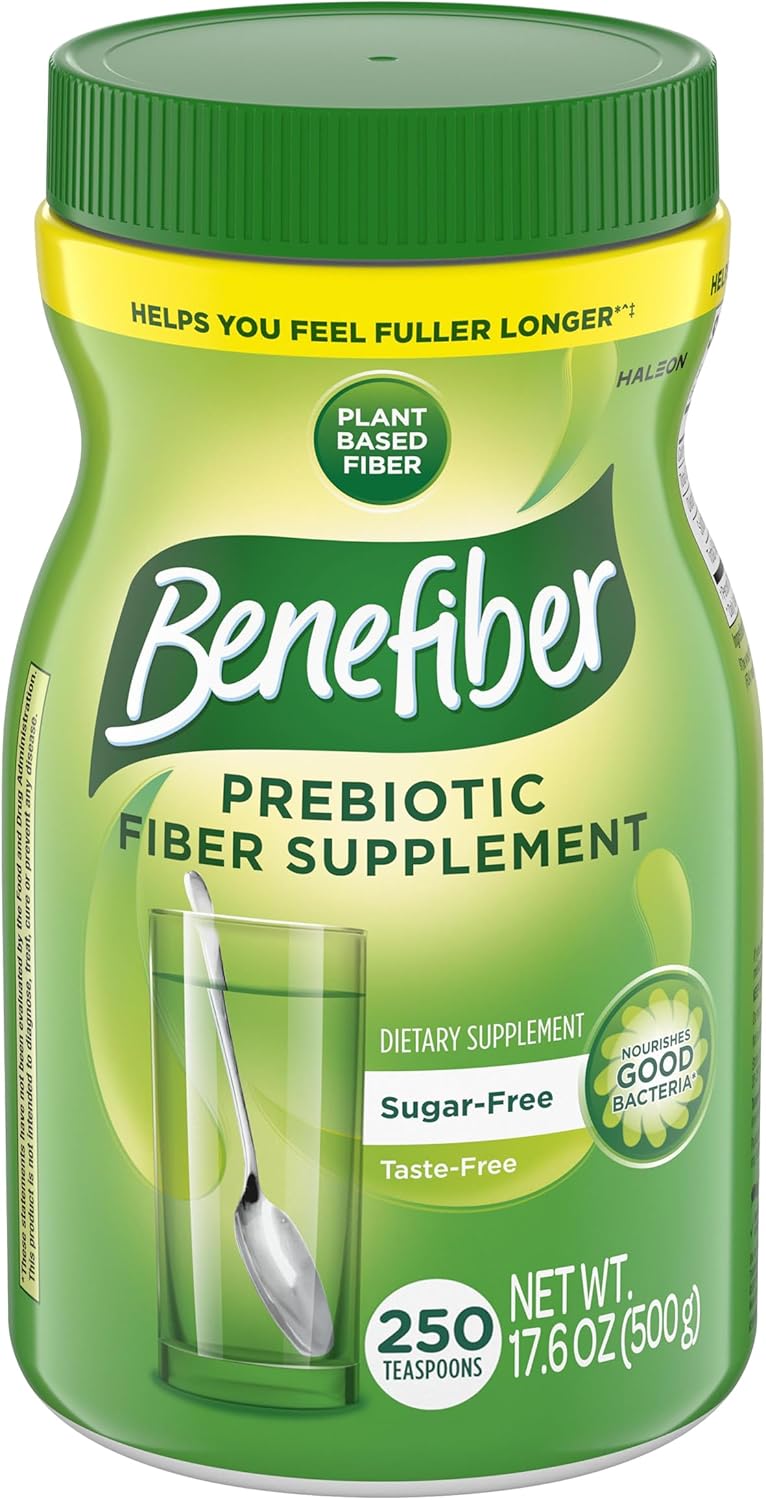
Benefiber Daily Prebiotic Fiber
Taste-free fiber that dissolves completely in drinks.
- +Completely taste-free
- +Dissolves clearly - no grit
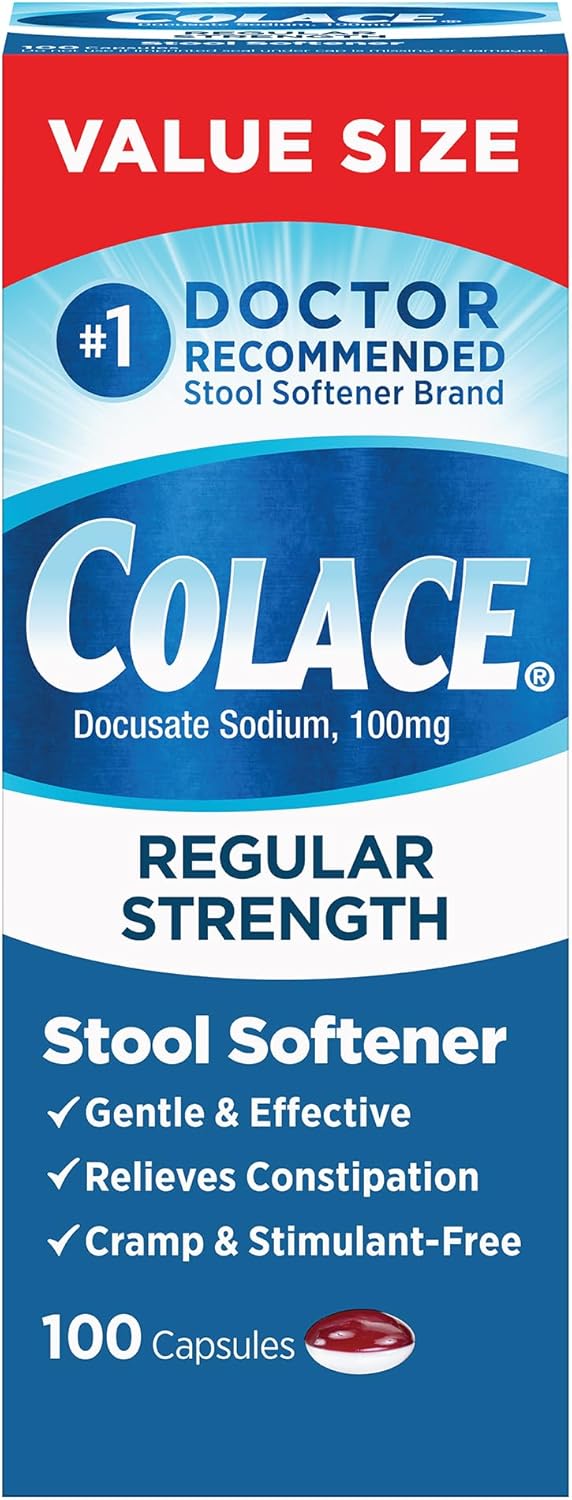
Colace Stool Softener Capsules
Gentle stool softener for easier bowel movements.
- +Fast-acting (24-72 hours)
- +Gentle, non-stimulant formula
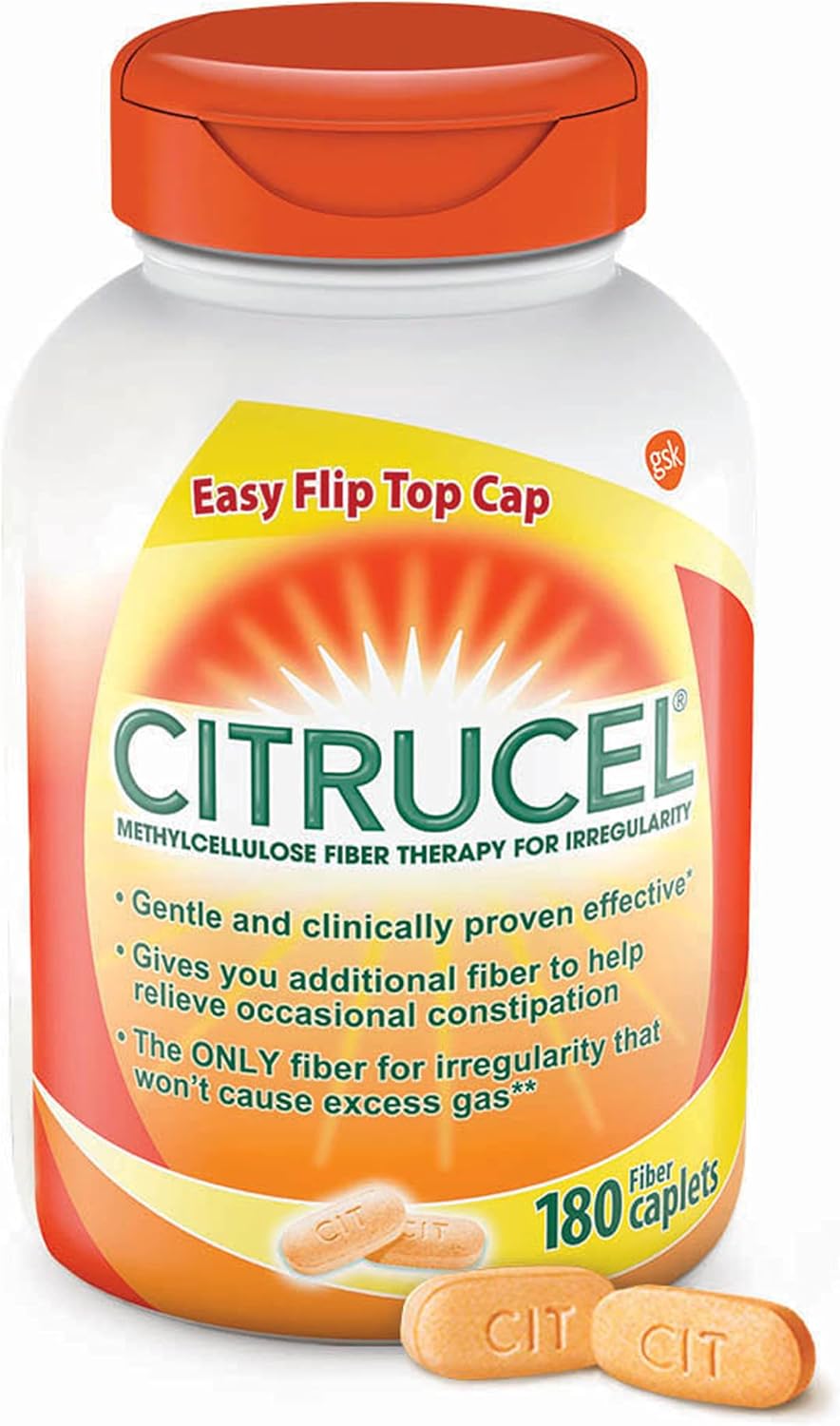
Citrucel Methylcellulose Fiber
Gentle fiber supplement that minimizes gas and bloating.
- +Less gas than other fibers
- +Gentle on sensitive stomachs
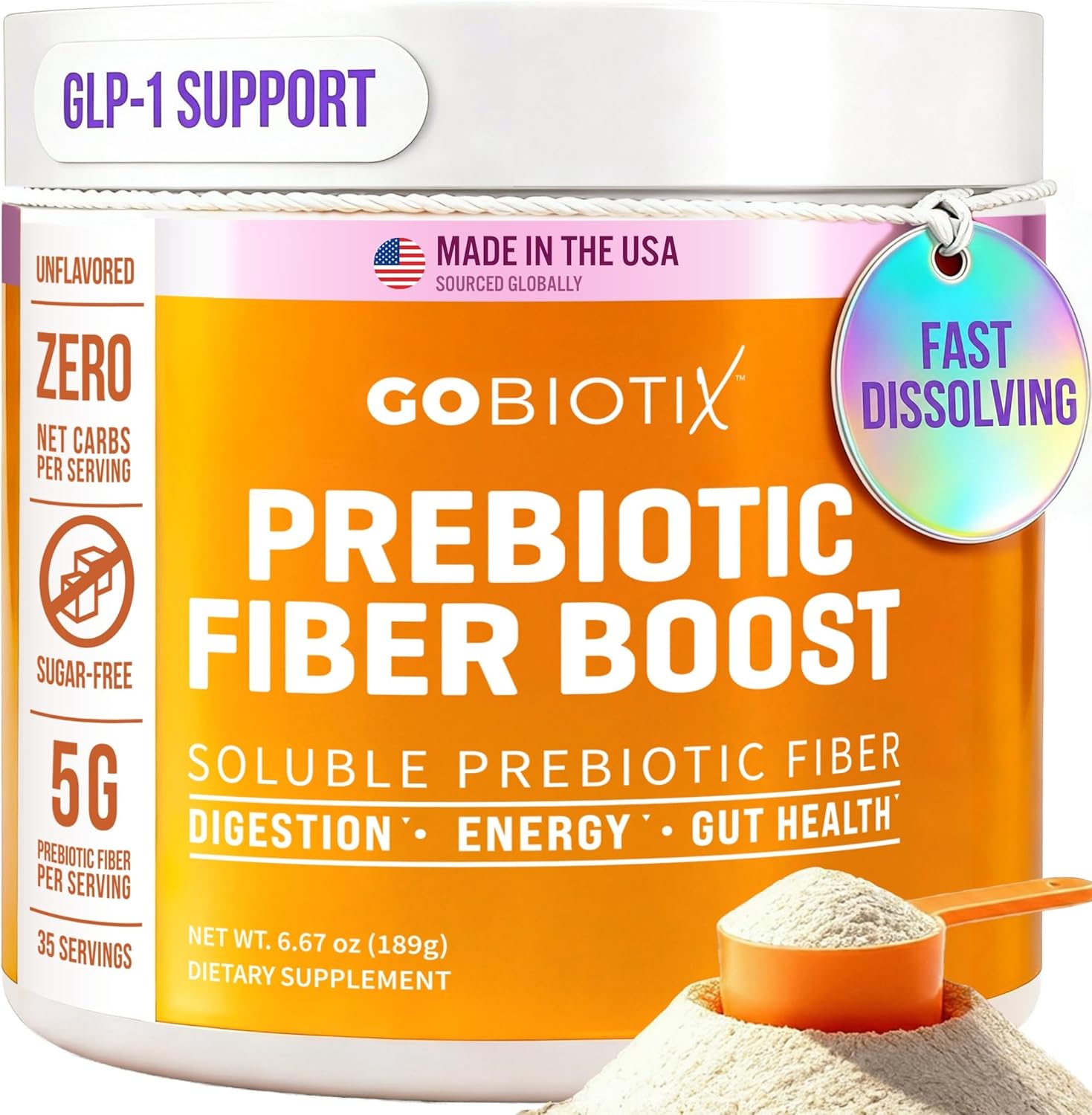
GOBIOTIX Prebiotic Fiber Supplement Powder
Tasteless prebiotic fiber powder — keto-friendly and sugar-free.
- +Completely tasteless — dissolves in any drink
- +Sugar-free, keto, vegan, and gluten-free
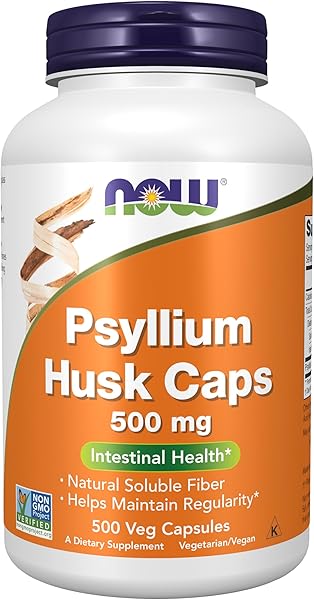
NOW Foods Psyllium Husk Capsules
Pure non-GMO psyllium husk capsules — the evidence-backed fiber.
- +Pure psyllium — the fiber with the best evidence for hemorrhoids
- +Non-GMO and free of added flavors or sweeteners
Not sure which product is right for you? Our free 2-minute assessment identifies your hemorrhoid type and recommends the best products.
Take the Free AssessmentHow We Evaluate Fiber Supplements for Hemorrhoids
Not all fiber supplements are equal for hemorrhoid management. The type of fiber, the dose per serving, ease of use, and side effect profile all determine whether a supplement actually helps or simply causes gas and bloating. Our evaluation focuses specifically on hemorrhoid-relevant outcomes, not general digestive health marketing.
What We Assess
Fiber Type and Mechanism. We evaluate whether the supplement uses soluble fiber (absorbs water and forms a gel), insoluble fiber (adds bulk), or both. For hemorrhoid patients, soluble fiber that creates soft, formed stools is the priority. We note the specific fiber source — psyllium husk, methylcellulose, wheat dextrin, or others — and how that source performs for stool softening. See our detailed fiber supplement comparison for a side-by-side analysis.
Dosage and Serving Practicality. We compare grams of fiber per serving, number of servings required daily, and whether the form (powder, capsule, gummy, wafer) is practical for consistent use. A supplement that provides 3g per serving when you need 10–15g supplemental fiber daily requires multiple doses — affecting compliance.
Side Effect Profile. Gas and bloating are the most common reasons people abandon fiber supplements. We compare which fiber types produce less fermentation (methylcellulose is generally better for gas-sensitive users) and note products that require slower dose titration.
Clinical Evidence. We reference published meta-analyses on fiber supplementation for hemorrhoid symptoms. The evidence base for psyllium is the strongest, with multiple randomized controlled trials showing reduced bleeding and prolapse symptoms.
Disclosure: We do not conduct clinical trials on fiber supplements. Our evaluation draws on published research, FDA labeling, and verified user outcomes. See our evaluation criteria for details.
Fiber Science: How Fiber Prevents and Heals Hemorrhoids
Straining during bowel movements is the primary mechanical cause of hemorrhoid development and the main reason existing hemorrhoids flare up. Fiber supplementation attacks this root cause by transforming hard, difficult-to-pass stools into soft, easy ones — eliminating the need to strain.
Soluble vs. Insoluble Fiber
Soluble fiber dissolves in water and forms a viscous gel. This gel integrates with stool, making it softer and more slippery. Psyllium husk is the gold standard: it absorbs 10–20 times its weight in water, creating soft, bulky stools that pass easily. Methylcellulose and wheat dextrin also fall into this category. Metamucil (psyllium-based) and Citrucel (methylcellulose-based) represent the two most common approaches.
Insoluble fiber does not dissolve in water. It adds bulk and speeds colonic transit time — stool moves through the colon faster, reducing water reabsorption and preventing the hard, dry stools that cause straining. Wheat bran and cellulose are common sources. Insoluble fiber is beneficial but can worsen gas in sensitive individuals.
Comparing Common Supplements
Psyllium husk (Metamucil): The most studied fiber for hemorrhoids. Multiple clinical trials show it reduces hemorrhoid bleeding, pain, and prolapse during bowel movements. Requires adequate water intake — at least 8 ounces per serving.
Methylcellulose (Citrucel): A synthetic soluble fiber that produces less gas than psyllium. A strong choice for patients who experience bloating with psyllium. Equally effective at softening stool but with less clinical data specific to hemorrhoid outcomes.
Wheat dextrin ( Benefiber): Dissolves completely and is tasteless, making it the easiest to add to food and beverages. Provides moderate stool softening. Lower fiber per serving than psyllium, so more servings may be needed.
Stool softeners are not fiber supplements. Colace (docusate sodium) is a surfactant that helps water penetrate hard stool — it does not add bulk or absorb water the way fiber does. Stool softeners are useful as a short-term bridge (1–2 weeks) while fiber supplementation takes effect, especially post-surgery or during pregnancy-related constipation. They are not a substitute for daily fiber intake.
The Water Requirement
Fiber without adequate water makes constipation worse, not better. Soluble fiber absorbs water — if that water comes from the colon rather than from sufficient fluid intake, stool becomes harder and dryer. The minimum is 8 ounces of water per fiber serving and at least 8 glasses daily. This is the single most common reason fiber supplementation fails, and it's entirely preventable. For dietary fiber strategies, see our high-fiber diet guide for hemorrhoid prevention.
Fiber Supplement Forms: Powder vs Capsules vs Gummies
Fiber supplements for hemorrhoids come in three main forms. The best choice depends on how much supplemental fiber you need and how easily you can incorporate it into your daily routine.
Powder (Psyllium Husk, Methylcellulose, Prebiotic)
Powder supplements deliver the most fiber per serving — typically 5-7g per dose. Products like Metamucil (psyllium) and Citrucel (methylcellulose) are the most widely recommended for hemorrhoid management. For users who dislike the texture of psyllium, GOBIOTIX Prebiotic Fiber offers a completely tasteless powder that dissolves in any beverage with no grit (5g soluble fiber per serving, sugar-free, keto-friendly). Mix powder supplements with 8 ounces of water and drink immediately — psyllium gels quickly. Powder is the most cost-effective form and the one with the strongest evidence base for hemorrhoid symptom reduction.
Capsules and Tablets
Fiber capsules are convenient and portable, but deliver less fiber per dose (typically 2-3g per capsule). You may need 4-6 capsules daily to reach a meaningful supplemental dose. Best for users who dislike the texture of powder supplements or need to take fiber at work or while traveling.
Gummies
Fiber gummies are the most palatable option but typically provide the least fiber per serving (2-5g). They often contain added sugars and are the most expensive per gram of fiber. Metamucil Fiber Gummies are one of the few no-sugar-added options, using a prebiotic plant-based fiber blend. Gummies can be a useful supplement to dietary fiber for mild cases, but for active hemorrhoid management where eliminating straining is critical, powder-based supplements are generally more effective due to higher fiber delivery per dose.
Fiber Supplements vs Stool Softeners: What's the Difference?
Fiber supplements and stool softeners are often confused, but they work differently and serve different purposes in hemorrhoid management.
Fiber supplements (psyllium, methylcellulose, wheat dextrin) add bulk to stool and absorb water, creating soft, formed stools that pass easily. They address the root cause of straining and are designed for daily, long-term use. Results typically appear within 1-3 days and improve with consistent use over weeks.
Stool softeners like Colace (docusate sodium) are surfactants — they allow water to penetrate existing hard stool, making it easier to pass. They do not add bulk or change the composition of future stools. Stool softeners are appropriate as a short-term bridge (1-2 weeks) during acute constipation, after hemorrhoid surgery, or during pregnancy — while waiting for fiber supplementation to take full effect.
Bottom line: Fiber is the long-term solution for preventing hemorrhoid-causing straining. A stool softener can help during the transition period but is not a substitute for adequate daily fiber intake.
Who Needs a Fiber Supplement (and Who Might Not)
Strong Candidates for Supplementation
- Anyone eating less than 25g of fiber daily. The average American consumes only 15g — roughly half the recommended amount. A supplement bridges this gap efficiently.
- Recurring hemorrhoid sufferers. If hemorrhoids keep coming back, inadequate fiber is the most likely controllable factor. Addressing this prevents recurrence more effectively than any topical treatment.
- Post-procedure patients. After hemorrhoid banding or surgery, soft stools are essential for healing. Fiber supplements are standard post-procedure care.
- People with constipation-dominant digestive patterns. If you strain regularly, you're at high risk for hemorrhoid development regardless of current symptoms.
Who May Not Need Supplementation
- People already eating 25–30g of dietary fiber daily. If your diet is rich in fruits, vegetables, whole grains, and legumes, additional supplementation may not be necessary. A dietary assessment can identify whether food-based fiber is sufficient.
- People with bowel strictures or obstructions. Bulking agents can worsen these conditions. Consult a gastroenterologist before starting fiber supplementation if you have a history of bowel surgery or inflammatory bowel disease.
- Those on certain medications. Fiber can reduce absorption of some medications (lithium, digoxin, certain antibiotics). Take fiber supplements at least 2 hours apart from medications.
Starting Fiber: What to Expect in the First Month
Days 1–3: Start at half the recommended dose. Your gut microbiome needs time to adjust to increased fiber. Some gas and mild bloating are normal and typically resolve within a week. Drink extra water — at least 2 additional glasses beyond your usual intake.
Days 4–7: Stools should begin softening noticeably. You may have more frequent bowel movements, which is a positive sign that transit time is decreasing. Increase to the full recommended dose if half-dose is tolerated well.
Weeks 2–3: Straining should be significantly reduced or eliminated. Hemorrhoid symptoms — particularly pain during bowel movements and post-bowel-movement bleeding — should begin improving. This is the point where natural hemorrhoid resolution becomes possible for many mild to moderate cases.
Month 1: An established routine should be producing consistently soft, easy-to-pass stools. Gas and bloating from the initial adjustment should have resolved. If hemorrhoid symptoms are not improving by this point, the hemorrhoid may be too advanced for conservative treatment alone. Learn about typical hemorrhoid healing timelines to calibrate expectations.
Key rule: Fiber supplementation is a long-term commitment, not a short course. Most hemorrhoid-related benefits require ongoing daily use. Stopping fiber after symptoms resolve typically leads to recurrence within weeks.
Beyond Fiber: When Supplements Are Not Enough
Fiber eliminates straining — the most important single intervention for hemorrhoid management. But existing hemorrhoids may need additional treatment while fiber does its preventive work.
Complementary Treatments
- Diet overhaul. Supplements work best alongside a whole-food approach to hemorrhoid relief. Fruits, vegetables, legumes, and whole grains provide both soluble and insoluble fiber plus micronutrients that support vascular health.
- Sitz baths for symptom relief. While fiber prevents new damage, sitz bath therapy provides immediate comfort and accelerates healing of existing tissue.
- Topical treatments for acute symptoms. Topical hemorrhoid treatments address pain, itching, and swelling directly while fiber works on the underlying cause.
- Pressure relief for sitting. A hemorrhoid cushion prevents sitting from undoing the progress that fiber and other treatments achieve.
- Gentle post-bathroom hygiene. Softer stools from fiber are only half the equation — switching from toilet paper to medicated wipes or a bidet reduces friction on healing tissue after bowel movements.
Medical Escalation
If 4–6 weeks of consistent fiber supplementation combined with other home treatments has not resolved hemorrhoid symptoms, the condition likely requires medical evaluation. Grade 3–4 hemorrhoids, recurring thrombosed hemorrhoids, and significant bleeding all warrant professional assessment regardless of fiber compliance.
You can compare fiber products alongside other treatment categories to build a comprehensive hemorrhoid management plan.
Frequently Asked Questions
Related Buying Guides
Comparing your options? Explore our other hemorrhoid product guides:
Related Articles
Learn more about hemorrhoid care with these helpful guides:
Find Your Perfect Treatment
Get personalized product recommendations based on your specific hemorrhoid type.
Affiliate Disclosure: We may earn a commission when you purchase through our links, at no additional cost to you. This helps support our research and content creation. We only recommend products we believe are effective for hemorrhoid relief. Last updated: January 2026.