Postpartum Hemorrhoid Treatment: A Recovery Guide for New Moms
Postpartum Hemorrhoid Treatment: A Recovery Guide for New Moms
If you are reading this, you are probably dealing with hemorrhoids on top of everything else that comes with having a newborn. You are exhausted, your body is still recovering from delivery, and now there is this painful, swollen problem that nobody warned you about.
This guide is specifically about postpartum hemorrhoids, not the general pregnancy type. The causes are different, the treatment considerations are different (especially if you are breastfeeding), and the recovery timeline is its own thing. Our existing guide on hemorrhoids during pregnancy covers the prenatal side. This picks up where delivery ends.
Why Postpartum Hemorrhoids Are Different
Pregnancy hemorrhoids develop gradually over months from increasing pressure and hormonal changes. Postpartum hemorrhoids are often acute, caused by the sudden, intense trauma of delivery itself.
What happens during vaginal delivery: During the pushing stage (Stage 2 labor), you generate enormous intra-abdominal pressure, sometimes for hours. This pressure engorges the hemorrhoidal veins far beyond what pregnancy alone caused. Studies suggest that prolonged Stage 2 labor (over 20 minutes of active pushing) significantly increases hemorrhoid severity. The result is often sudden, dramatic swelling that was not there before you went into labor.
What makes them harder to treat:
- Your perineal area may also be healing from tearing or an episiotomy, so everything in that region is tender
- You are sleep-deprived, which slows healing
- Postpartum hormone shifts (progesterone drops, prolactin rises) change vein tone and fluid balance
- Pain medication from delivery (especially opioids after C-section) causes constipation
- Iron supplements prescribed for postpartum anemia are constipating
- If you are breastfeeding, you need extra fluids, and dehydration worsens constipation
- You are sitting for hours each day during feeds, which maintains pressure on swollen tissue
C-section moms are not exempt. You carried the pregnancy weight for months and may have labored before the surgical decision. Add opioid pain medication and reduced mobility during recovery, and constipation-driven hemorrhoids are common even without vaginal pushing.
The First Bowel Movement
This is what most new moms dread more than anything, and most articles bury it in a footnote. Let us be direct.
It will be uncomfortable, but it will not tear your stitches. Perineal sutures are designed to withstand normal bowel movements. The fear of tearing causes many women to clench and strain, which makes hemorrhoids worse. That cycle needs to break.
How to make it easier:
- Start Colace (docusate sodium) on day one, even in the hospital. Do not wait for constipation to set in.
- Drink at least 10 glasses of water daily, more if breastfeeding.
- When you feel the urge, go immediately. Delaying makes stool harder.
- Use the peri bottle the hospital provides. Spray warm water on the perineum during the bowel movement. This relaxes the muscles and reduces fear.
- Breathe out slowly as you go. Do not hold your breath. Do not push forcefully.
- Afterward, pat (never wipe) with witch hazel pads instead of toilet paper.
Most women have their first postpartum bowel movement within 2-3 days of delivery. If you have not gone by day 3, contact your provider.
What Is Safe While Breastfeeding
This is where postpartum care diverges sharply from general hemorrhoid advice. Everything you put in or on your body is a potential question when you are nursing.
Completely Safe (No Restrictions)
These treatments have no meaningful transfer to breast milk:
- Sitz baths with plain warm water or Epsom salt soaks. Water and mineral salts do not enter your bloodstream. This should be your primary treatment, 3-4 times daily for 15-20 minutes.
- Ice packs wrapped in a cloth. Hospitals usually provide these as "padsicles" (frozen pads with witch hazel).
- Witch hazel pads like Tucks Medicated Pads. Witch hazel is a topical astringent. Systemic absorption is negligible.
- Psyllium fiber supplements like Metamucil. Psyllium is not absorbed into the bloodstream at all. It stays in the gut and softens stool.
- Docusate sodium (Colace). Considered compatible with breastfeeding by the American Academy of Pediatrics. Minimal amounts reach breast milk.
- Peri bottle irrigation. Warm water only.
Safe with Normal Topical Use
These have minimal systemic absorption when applied to the affected area as directed. According to the NIH LactMed database, topical application of the following results in negligible levels in breast milk:
- Topical hydrocortisone (1% OTC). Fine for short-term use (under 7 days). Do not use on broken skin or combine with occlusive dressings.
- Topical lidocaine (in products like Preparation H or RectiCare). The small amount absorbed topically does not reach clinically significant levels in milk.
- Topical phenylephrine (in Preparation H). Shrinks swollen tissue. Topical application results in minimal systemic absorption.
- Ibuprofen (oral). The preferred oral pain reliever while breastfeeding. Very low transfer to breast milk. Acetaminophen is also safe.
Ask Your Provider First
- Prescription-strength topical steroids
- Oral laxatives other than docusate (stimulant laxatives like bisacodyl)
- Any rectal suppositories not specifically cleared for breastfeeding
Avoid
- Aspirin for pain. Passes into breast milk and carries a theoretical risk of Reye syndrome in infants.
- Extended-use corticosteroids. Short-term topical is fine. Prolonged or high-potency use could theoretically affect infant adrenal function.
Week-by-Week Recovery Timeline
Every body is different, but here is what a typical postpartum hemorrhoid recovery looks like when you are actively treating them.
Days 1-3: The Worst of It
This is peak swelling and discomfort. If hemorrhoids developed during pushing, they are at their largest now.
What to do:
- Alternate ice (15 minutes on, 15 off) with warm sitz baths
- Take docusate and ibuprofen on schedule, not just when pain is bad
- Use the peri bottle and witch hazel pads after every bathroom visit
- Apply topical cream (Preparation H or equivalent) up to 4 times daily
- Sleep on your side when possible to reduce pressure
- Use a donut cushion for any seated time including nursing
Days 4-7: Turning the Corner
Pain should shift from constant to episodic. Swelling begins reducing.
What to do:
- Continue sitz baths 2-3 times daily
- Start adding fiber supplement if bowel movements are still difficult
- Keep up with the cream and witch hazel routine
- If you are able to walk more, do so. Gentle movement helps circulation.
Weeks 2-3: Active Healing
Most Grade 1-2 hemorrhoids are noticeably smaller by now. Pain is manageable.
What to do:
- Transition from reactive treatment to prevention. Keep the fiber and water intake high.
- Sitz baths can reduce to once daily or after bowel movements
- If you had thrombosed hemorrhoids, the clot is being reabsorbed. Tenderness may linger.
Weeks 4-6: Resolution for Most
For the majority of women, postpartum hemorrhoids resolve or become asymptomatic by the 6-week checkup.
What to expect:
- External skin tags may remain where hemorrhoids were. These are harmless loose skin, not active hemorrhoids.
- If hemorrhoids are still symptomatic at your 6-week visit, tell your OB. In-office procedures (like rubber band ligation) are an option once you have healed from delivery.
Beyond 6 Weeks: When to Escalate
Hemorrhoids that persist past 8 weeks postpartum may need medical intervention. This does not mean surgery. Read our guide on when to see a doctor for hemorrhoids for specifics on what warrants evaluation.
Your Postpartum Product Stack
Here is a focused list of products chosen specifically for postpartum recovery, all breastfeeding-compatible.
1. Sitz Bath Basin
A toilet-mounted sitz bath basin is essential. Do not try to use your bathtub. You need something quick and easy when you have a newborn. The Pochik model is collapsible, stores flat, and has a flusher hose. Add sitz bath salts with Epsom salt and lavender for additional soothing.2. Witch Hazel Pads
Tucks Medicated Pads are the standard in postpartum wards for a reason. Gentle, effective, and you can line them inside your pad for ongoing relief. Keep a container on the back of every toilet in your house.3. Stool Softener
Colace (docusate sodium) should start on delivery day. Not a laxative. It draws water into stool so it passes without straining. This single product prevents more hemorrhoid damage than any cream.4. Fiber Supplement
Once bowels are moving, transition from the stool softener to daily Metamucil. Psyllium fiber provides long-term prevention and is completely compatible with breastfeeding. Start with half a dose and increase gradually to minimize gas.5. Topical Cream
Preparation H Maximum Strength for swelling relief, or a witch-hazel-based cream if you prefer a natural approach. Apply after sitz baths and bathroom visits, up to 4 times daily.For a full comparison, browse our pregnancy-safe treatment guide and best hemorrhoid cream recommendations.
The Nursing-While-Sitting Problem
Here is something unique to breastfeeding moms: you may be sitting 6-8 hours a day during feeds, especially in the early weeks. Prolonged sitting is one of the primary causes of hemorrhoids, and it directly works against your healing.
Practical strategies:
- Nurse lying down when possible. Side-lying position eliminates all sitting pressure. It also lets you rest. Even if you cannot do it every feed, aim for nighttime sessions.
- Use a donut cushion for seated feeds. Place it on your nursing chair. It offloads pressure from the perineal area.
- Stand and walk between feeds. Even 5 minutes of movement improves blood flow.
- Avoid deep, soft couches. They push your sitting bones together and increase pressure. Use a firm chair with the donut cushion.
- Do not cross your legs while nursing. This restricts blood flow to the pelvic floor.
When to Call Your Doctor
Contact your OB or midwife if you experience:
- Rectal bleeding that soaks a pad (not just streaks on toilet paper)
- Fever over 100.4°F, which could indicate infection
- A hemorrhoid that is rock-hard, purple, and extremely painful (likely thrombosed, may benefit from drainage if under 72 hours)
- No bowel movement after 3 days despite stool softener use
- Hemorrhoid symptoms worsening instead of improving after the first week
- Pain that is not controlled by ibuprofen and topical treatments
These situations are not emergencies in most cases, but they need medical attention. Read more about thrombosed hemorrhoid emergencies.
Preventing Recurrence
Once your postpartum hemorrhoids resolve, keep them from coming back. The same hormonal and physical changes that made you susceptible now persist for months postpartum.
- Maintain 25-30 grams of daily fiber from food and supplements. See our high-fiber diet guide and best fiber supplement picks.
- Stay hydrated, especially while breastfeeding. Your body needs extra fluid to produce milk and keep stool soft.
- Continue Kegel exercises once cleared by your provider. They strengthen the pelvic floor and improve circulation in the rectal area.
- Do not ignore the urge. When you need to go, go. This is harder with a newborn commanding your attention, but delayed bowel movements mean harder stool.
- Stay active with walks and gentle exercises safe for hemorrhoids. Your provider will clear you for activity at your checkup.
Hospital Bag Tip
If you are still pregnant and reading this proactively, add these to your hospital bag:
- A collapsible sitz bath (the hospital may provide one, but some do not)
- Tucks pads (hospital-grade are thin; yours will be better)
- A donut cushion for the hospital bed and car ride home
- Your own stool softener (in case the hospital does not start it early enough)
Your future self will thank you.
Postpartum recovery is one of several life situations where standard hemorrhoid advice falls short. Our hemorrhoid relief by situation hub covers how treatment differs for pregnancy, desk workers, and other specific groups.
Take our hemorrhoid assessment quiz for personalized product recommendations, and browse our full guide to sitz baths for hemorrhoids for more on this essential recovery tool.
Recommended Products
Disclosure: This page contains affiliate links. As an Amazon Associate we earn from qualifying purchases, at no extra cost to you.
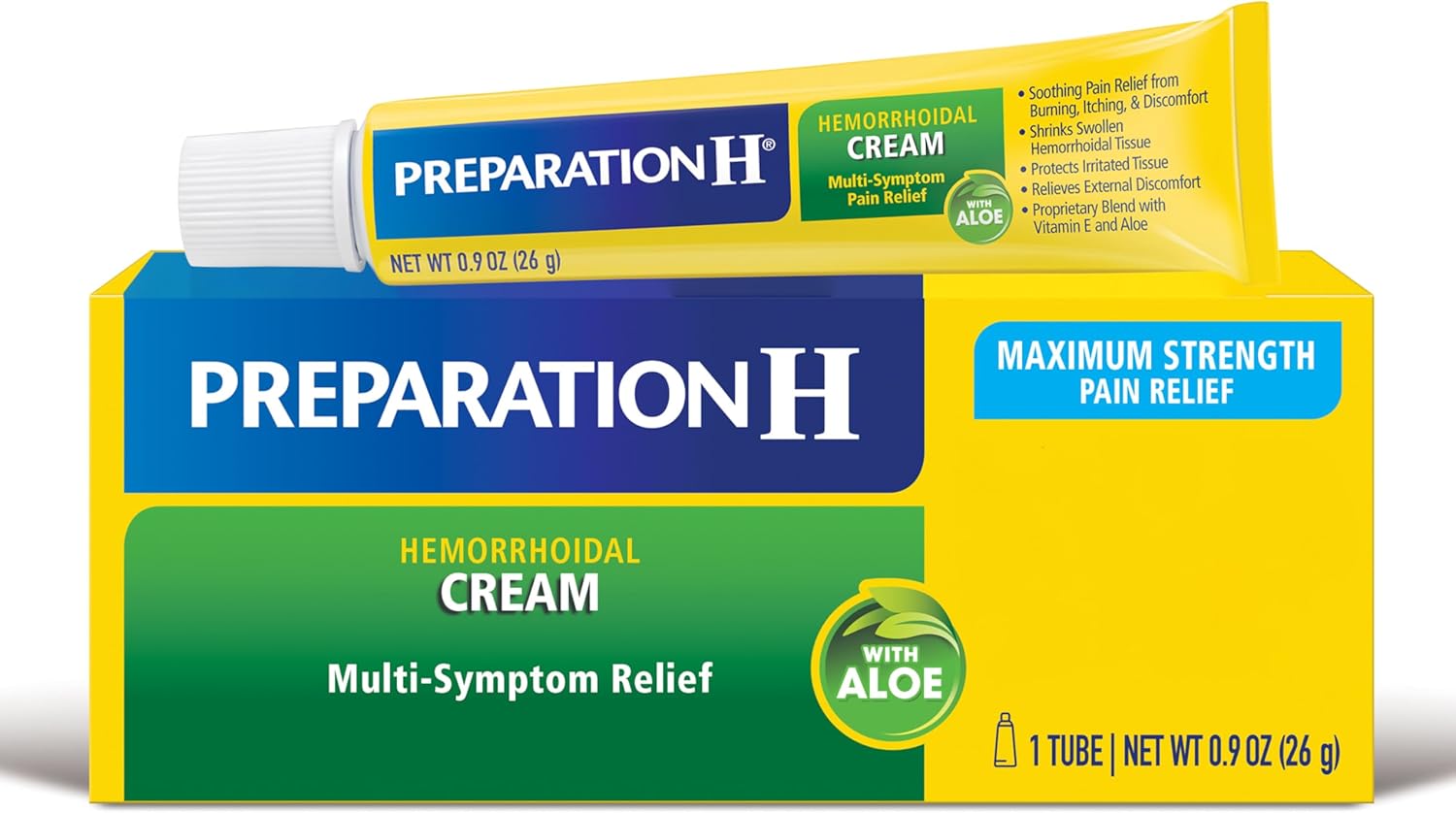
Maximum strength cream for pain, burning, and itching relief.
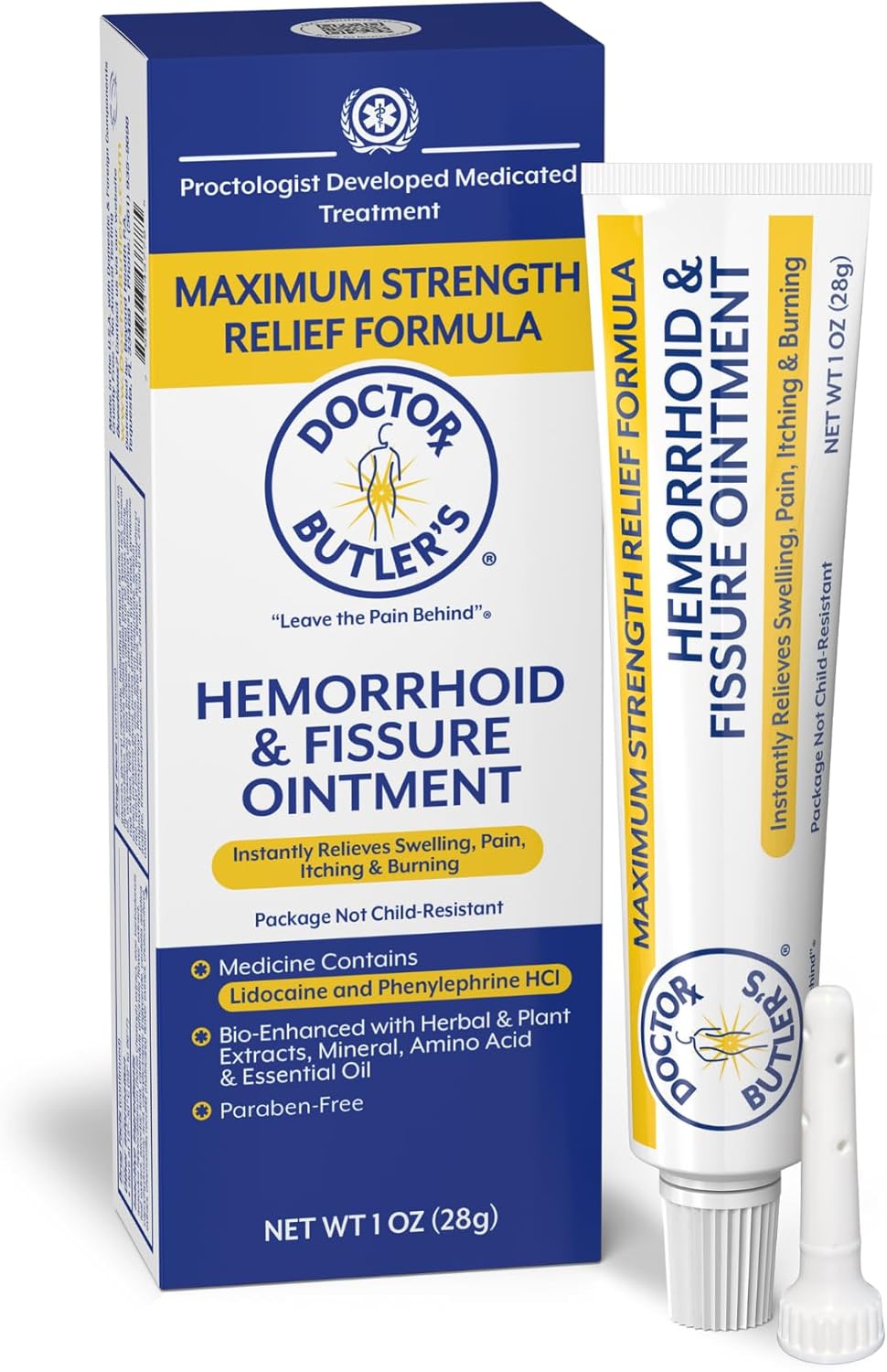
Proctologist-formulated ointment with lidocaine for fast relief.
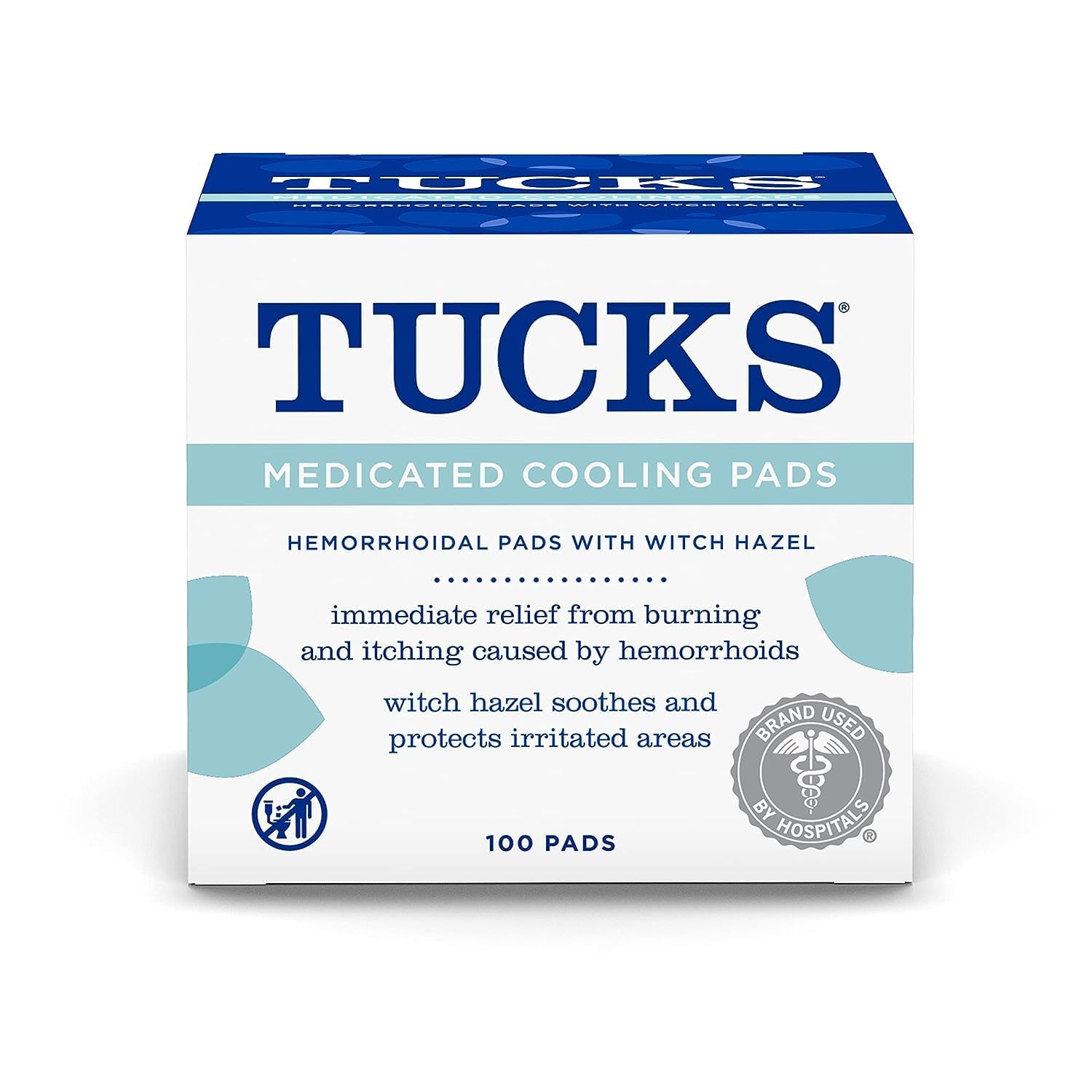
Witch hazel pads for soothing relief and gentle cleansing.
Sources & References
- What Can I Do for Hemorrhoids During Pregnancy? — American College of Obstetricians and Gynecologists (ACOG). Accessed February 15, 2026.
- Drugs and Lactation Database (LactMed) — National Library of Medicine, National Institutes of Health. Accessed February 15, 2026.
- Hemorrhoids - Symptoms and Causes — Mayo Clinic. Accessed February 15, 2026.
- Hemorrhoids: Symptoms, Causes & Treatment — Cleveland Clinic. Accessed February 15, 2026.
- Hemorrhoids and What to Do About Them — Harvard Health Publishing. Accessed February 15, 2026.
Related Articles
How to Shrink Hemorrhoids Fast — 7 Methods Ranked by Speed
Need fast hemorrhoid relief? These 7 research-backed methods are ranked from immediate fixes to long-term solutions for reducing swelling quickly.
Sitz Bath for Hemorrhoids: The Complete How-To Guide
Sitz baths are one of the most effective home treatments for hemorrhoids. Learn how to do them properly for maximum relief.
Best Hemorrhoid Creams Compared: What Actually Works
Not all hemorrhoid creams are created equal. Compare the top options and learn which ingredients work best for different symptoms.
Written by the HemorrhoidCareGuide Team
Dedicated to helping people find relief through education and honest product recommendations.
Medical Disclaimer: This content is for informational purposes only and does not constitute medical advice. Always consult with a qualified healthcare provider for diagnosis and treatment of hemorrhoids or any medical condition.
Find Your Hemorrhoid Type
Take our free 2-minute assessment to identify your hemorrhoid type and get personalized product recommendations.
Take the Free AssessmentRelated Articles
How to Shrink Hemorrhoids Fast — 7 Methods Ranked by Speed
Need fast hemorrhoid relief? These 7 research-backed methods are ranked from immediate fixes to long-term solutions for reducing swelling quickly.
Sitz Bath for Hemorrhoids: The Complete How-To Guide
Sitz baths are one of the most effective home treatments for hemorrhoids. Learn how to do them properly for maximum relief.