Hemorrhoid Banding: What to Expect
Hemorrhoid Banding: What to Expect
Rubber band ligation (banding) is the most common procedure for internal hemorrhoids that don't respond to home treatment. Here's everything you need to know.
What Is Hemorrhoid Banding?
A doctor places a small rubber band around the base of an internal hemorrhoid. This cuts off the blood supply, causing the hemorrhoid to shrink and fall off within a week or two.
Who Is It For?
Banding works best for:
- Grade 2-3 internal hemorrhoids
- Hemorrhoids that don't respond to home treatment
- Patients who want to avoid surgery
- Those with significant bleeding
It's NOT recommended for:
- External hemorrhoids
- Grade 4 (permanently prolapsed) hemorrhoids
- People with bleeding disorders
- Those on blood thinners (may need to stop)
The Procedure
Before
- Usually no special preparation
- May be asked to have a bowel movement before
- Typically no anesthesia needed
- Takes 5-10 minutes
During
1. Doctor views hemorrhoid through an anoscope 2. Hemorrhoid is drawn into a device 3. Tiny rubber band is placed at the base 4. Band cuts off blood supplyWhat You Feel
- Mild pressure or fullness
- Slight pinch when band is placed
- No significant pain during procedure
- Can usually return to work same day
After the Procedure
First 24-48 Hours
- Mild discomfort or feeling of fullness
- Some patients feel need to have bowel movement
- Avoid heavy lifting
- Take it easy
First Week
- May have minor bleeding (normal)
- Hemorrhoid shrinks and falls off
- Usually happens during bowel movement
- You may not notice it
Full Recovery
- 1-2 weeks for complete healing
- Multiple hemorrhoids may need separate sessions
- Repeat treatment if needed
Pain Management
Most patients experience only mild discomfort, managed by:
- Over-the-counter pain relievers (Tylenol, Advil)
- Sitz baths
- Stool softeners
- Eating fiber-rich foods (a fiber supplement helps prevent recurrence)
Success Rates
- 70-80% success rate
- Some may need repeat treatment
- Better outcomes with lifestyle changes
- Less effective for very large hemorrhoids
Potential Complications
Rare but possible:
- Significant pain (usually means band placed too low)
- Heavy bleeding
- Infection (very rare)
- Urinary retention (temporary)
Call your doctor if:
- Severe pain that doesn't improve
- Heavy bleeding
- Fever
- Difficulty urinating
Banding vs Other Treatments
| Treatment | Anesthesia | Recovery | Best For |
|---|---|---|---|
| Banding | None | 1-2 weeks | Grade 2-3 |
| Sclerotherapy | None | 1 week | Grade 1-2 |
| IRC | None | 1 week | Grade 1-2 |
| Surgery | General | 2-4 weeks | Grade 3-4 |
Questions to Ask Your Doctor
- How many bandings will I need?
- Should I stop any medications?
- When can I return to normal activities?
- What signs of complications should I watch for?
Preventing Recurrence After Banding
Even after successful treatment, prevention matters:
- Maintain high-fiber diet
- Stay hydrated
- Don't strain during bowel movements
- Exercise regularly
- Address constipation promptly
The Bottom Line
Hemorrhoid banding is a quick, effective office procedure with minimal downtime. It works well for internal hemorrhoids that haven't improved with home treatment. Success rates are high when combined with lifestyle changes. Learn when to see a doctor for hemorrhoids and about thrombosed hemorrhoid emergencies. A fiber supplement can help prevent recurrence after the procedure.
Take our hemorrhoid quiz to see if you might benefit from medical evaluation.
Recommended Products
Disclosure: This page contains affiliate links. As an Amazon Associate we earn from qualifying purchases, at no extra cost to you.
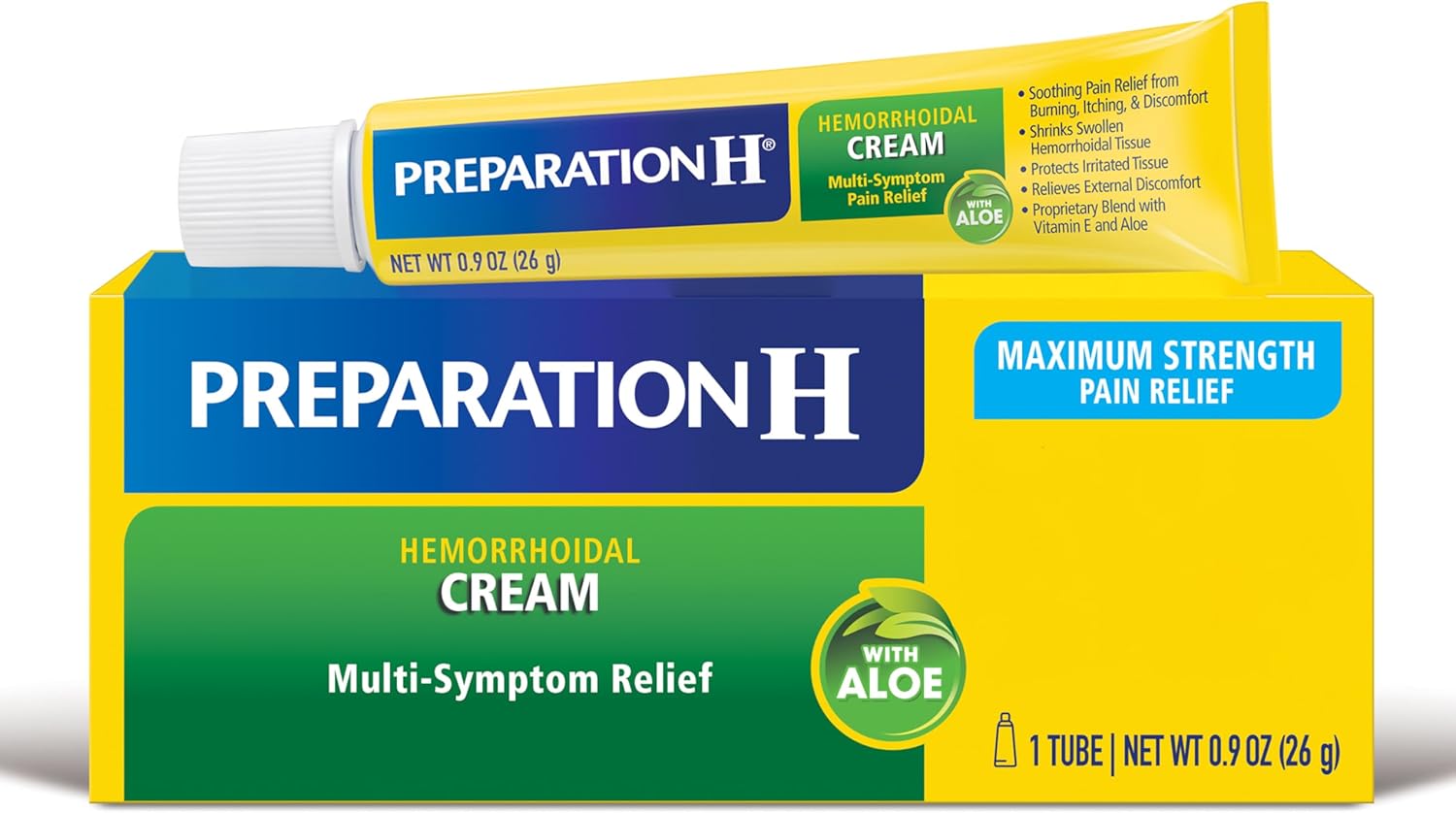
Maximum strength cream for pain, burning, and itching relief.
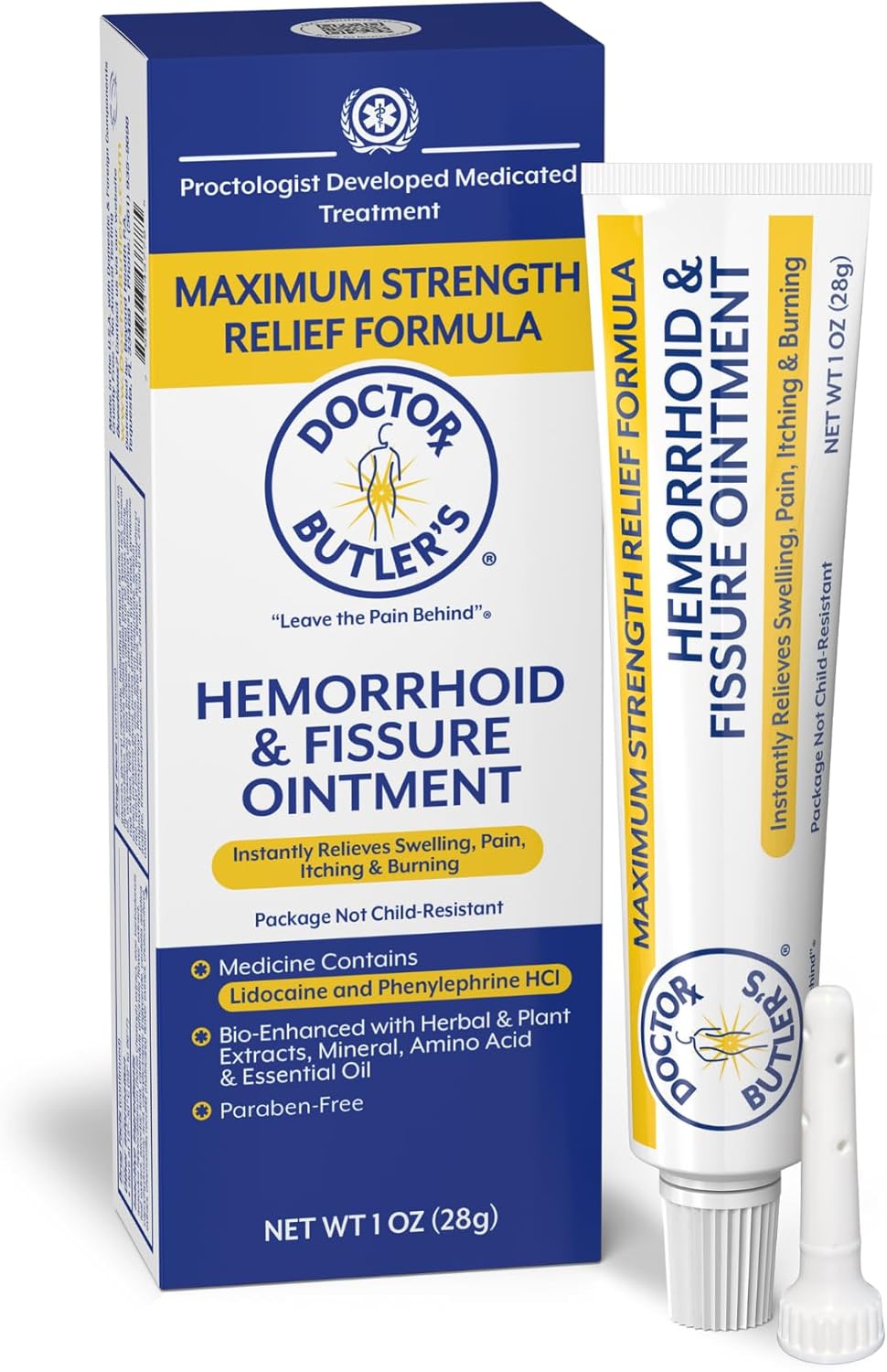
Proctologist-formulated ointment with lidocaine for fast relief.
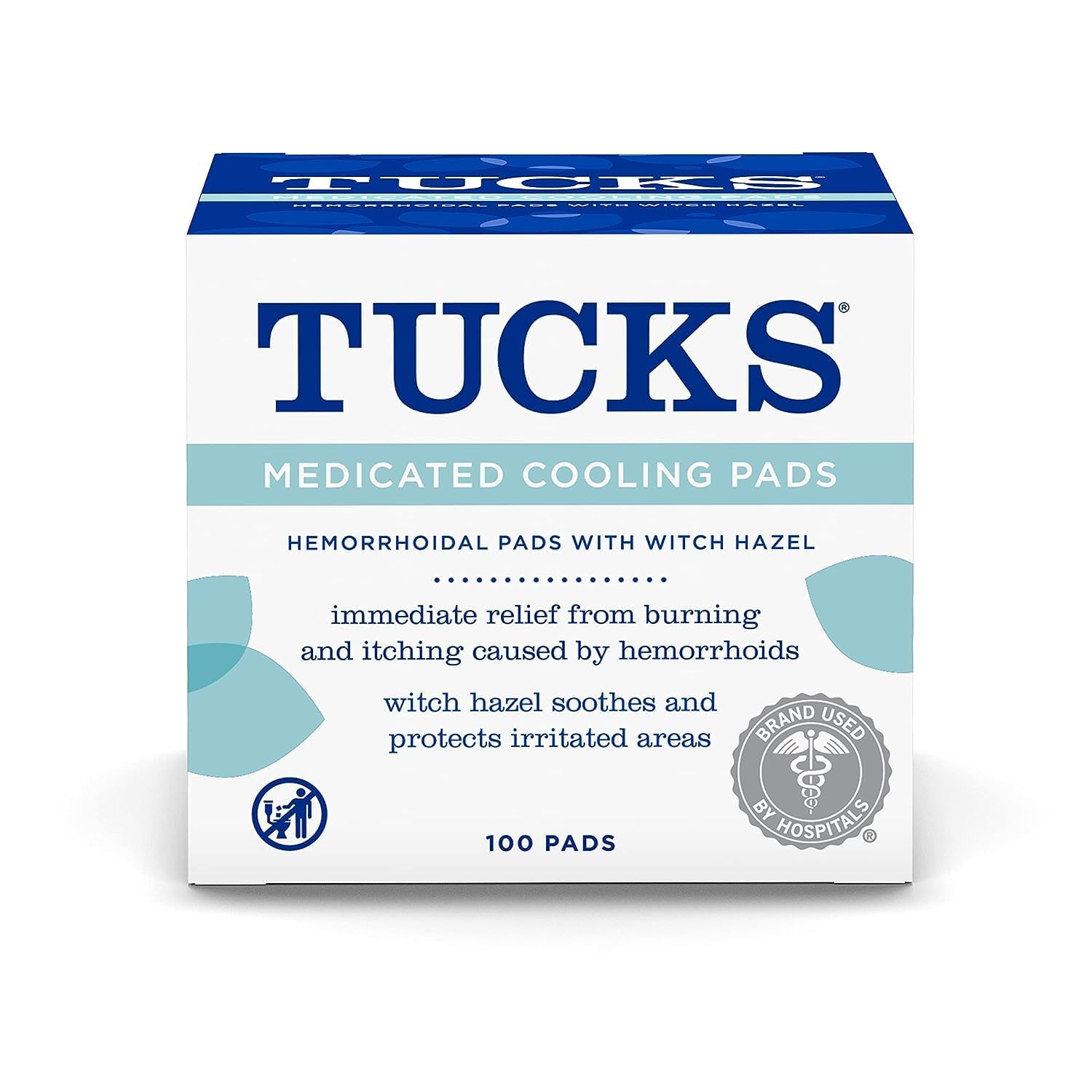
Witch hazel pads for soothing relief and gentle cleansing.
Related Articles
Thrombosed Hemorrhoid: Emergency or Not?
A thrombosed hemorrhoid causes sudden, severe pain. Learn when it is an emergency and when you can wait.
Hemorrhoids vs Colorectal Cancer: Knowing the Difference
Rectal bleeding can have multiple causes. Learn the key differences between hemorrhoid symptoms and warning signs of colorectal cancer.
What Causes Hemorrhoids? The Complete Guide
Understanding why hemorrhoids develop is the first step to prevention and relief. Learn about the anatomy, risk factors, and common triggers.
Written by the HemorrhoidCareGuide Team
Dedicated to helping people find relief through education and honest product recommendations.
Medical Disclaimer: This content is for informational purposes only and does not constitute medical advice. Always consult with a qualified healthcare provider for diagnosis and treatment of hemorrhoids or any medical condition.
Find Your Hemorrhoid Type
Take our free 2-minute assessment to identify your hemorrhoid type and get personalized product recommendations.
Take the Free AssessmentRelated Articles
Thrombosed Hemorrhoid: Emergency or Not?
A thrombosed hemorrhoid causes sudden, severe pain. Learn when it is an emergency and when you can wait.
Rectal bleeding can have multiple causes. Learn the key differences between hemorrhoid symptoms and warning signs of colorectal cancer.