When to See a Doctor for Hemorrhoids
When to See a Doctor for Hemorrhoids
Most hemorrhoids respond well to home treatment, but certain situations require medical evaluation. Here's how to know when it's time to see a doctor.
Immediate Medical Attention Needed
Go to an urgent care or emergency room if you have:
- Heavy bleeding that won't stop
- Severe pain that's unbearable
- Signs of infection: fever, increasing redness, warmth, pus
- Inability to have bowel movements combined with severe pain
- Fainting or dizziness (sign of significant blood loss)
Schedule a Doctor Visit If...
Symptoms Don't Improve
- Home treatment (including OTC creams and sitz baths) hasn't helped after 1-2 weeks
- Symptoms are getting worse instead of better
- Hemorrhoids keep coming back
Pain Is Significant
- Pain interferes with daily activities
- You can't sit comfortably
- Pain is constant, not just during bowel movements
Bleeding Concerns
- Bleeding occurs frequently
- You see blood outside of bowel movements
- Blood is dark red or mixed into stool (not bright red on surface)
You're Unsure of the Diagnosis
- Symptoms don't match typical hemorrhoids
- You've never had hemorrhoids before
- You want confirmation of what's causing your symptoms
Special Circumstances
- You're over 45 and haven't had a colonoscopy
- You have a family history of colorectal cancer
- You're pregnant and symptoms are severe
- You have other medical conditions (diabetes, blood disorders)
New mothers dealing with delivery-related hemorrhoids should see our postpartum hemorrhoid recovery guide for breastfeeding-safe options.
What to Expect at the Doctor
The Examination
Your doctor will likely:- Ask about your symptoms and history
- Perform an external visual examination
- May perform a digital rectal exam
- May use an anoscope to view internal hemorrhoids
Don't Be Embarrassed
Doctors see hemorrhoids regularly - it's one of the most common conditions they treat. They want to help you feel better.Be Prepared to Discuss
- How long you've had symptoms
- What treatments you've tried
- Your bowel habits
- Your diet and lifestyle
- Family history of colorectal issues
Medical Treatment Options
If home treatment isn't enough, doctors can offer:
Office Procedures
- Rubber band ligation: Most common, places band around hemorrhoid
- Sclerotherapy: Injection that shrinks hemorrhoid
- Infrared coagulation: Heat treatment
Surgical Options (For Severe Cases)
- Hemorrhoidectomy: Surgical removal
- Stapled hemorrhoidopexy: Less invasive surgical option
Learn more about hemorrhoid banding procedures.
The Age 45 Rule
If you're 45 or older with rectal bleeding:
- Get evaluated even if you think it's hemorrhoids
- Colorectal cancer screening is now recommended starting at 45
- A colonoscopy can rule out serious conditions
- Better safe than sorry
Read more about hemorrhoids vs colorectal cancer warning signs.
What NOT to Do
- Don't ignore persistent symptoms
- Don't assume all rectal bleeding is hemorrhoids
- Don't skip doctor visits due to embarrassment
- Don't try to "tough it out" with severe pain
While many hemorrhoids can go away on their own with home treatment, the situations above require professional evaluation.
The Bottom Line
When in doubt, see a doctor. Most hemorrhoid visits result in simple treatment recommendations, and the peace of mind is worth it. If symptoms are severe or concerning, don't wait. While waiting for your appointment, learn what causes hemorrhoids and try a sitz bath or topical cream for temporary relief. Pregnant? See our pregnancy-safe treatment guide.
Take our hemorrhoid assessment quiz - but remember, it's not a substitute for medical evaluation when needed.
Recommended Products
Disclosure: This page contains affiliate links. As an Amazon Associate we earn from qualifying purchases, at no extra cost to you.
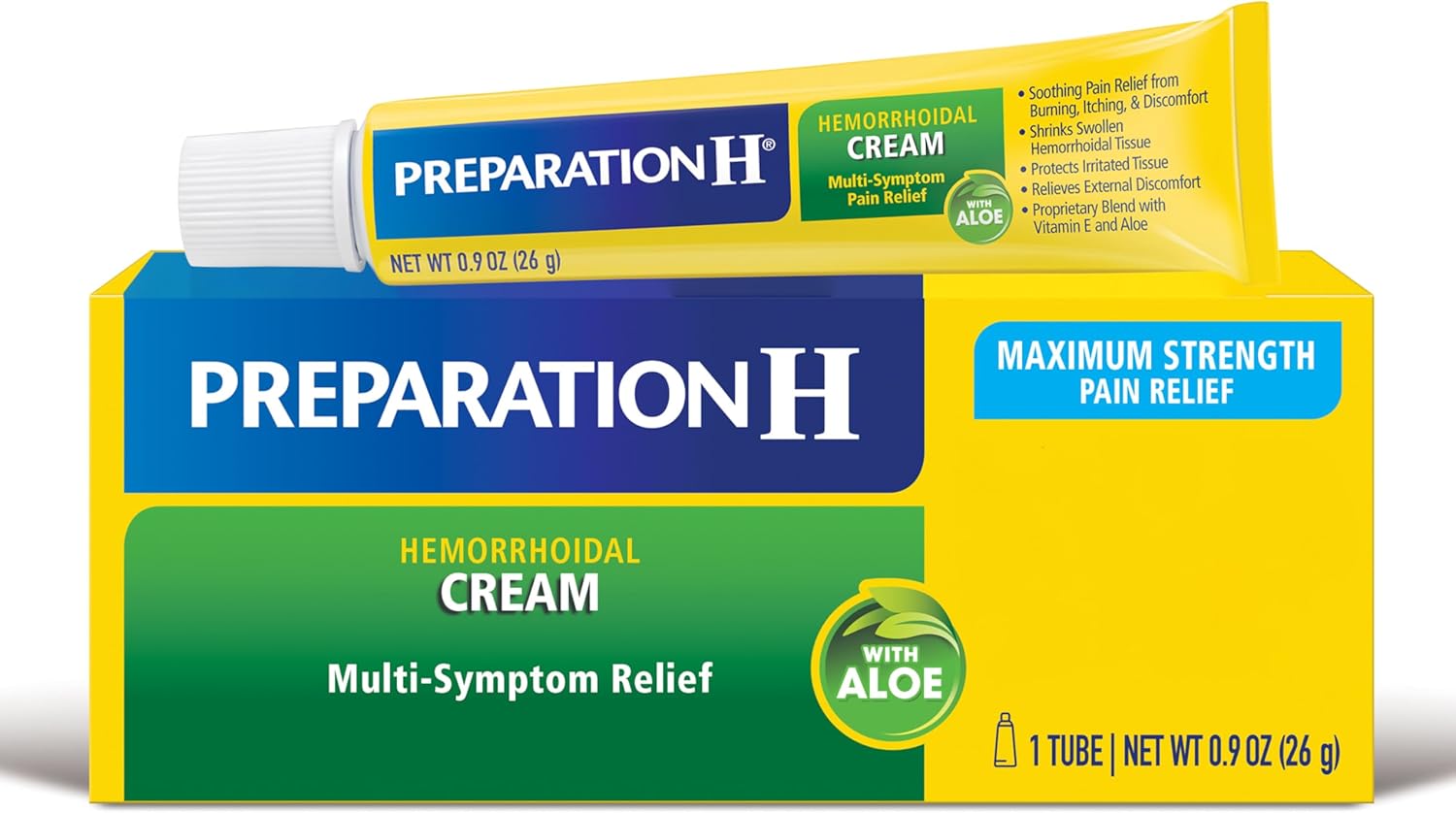
Maximum strength cream for pain, burning, and itching relief.
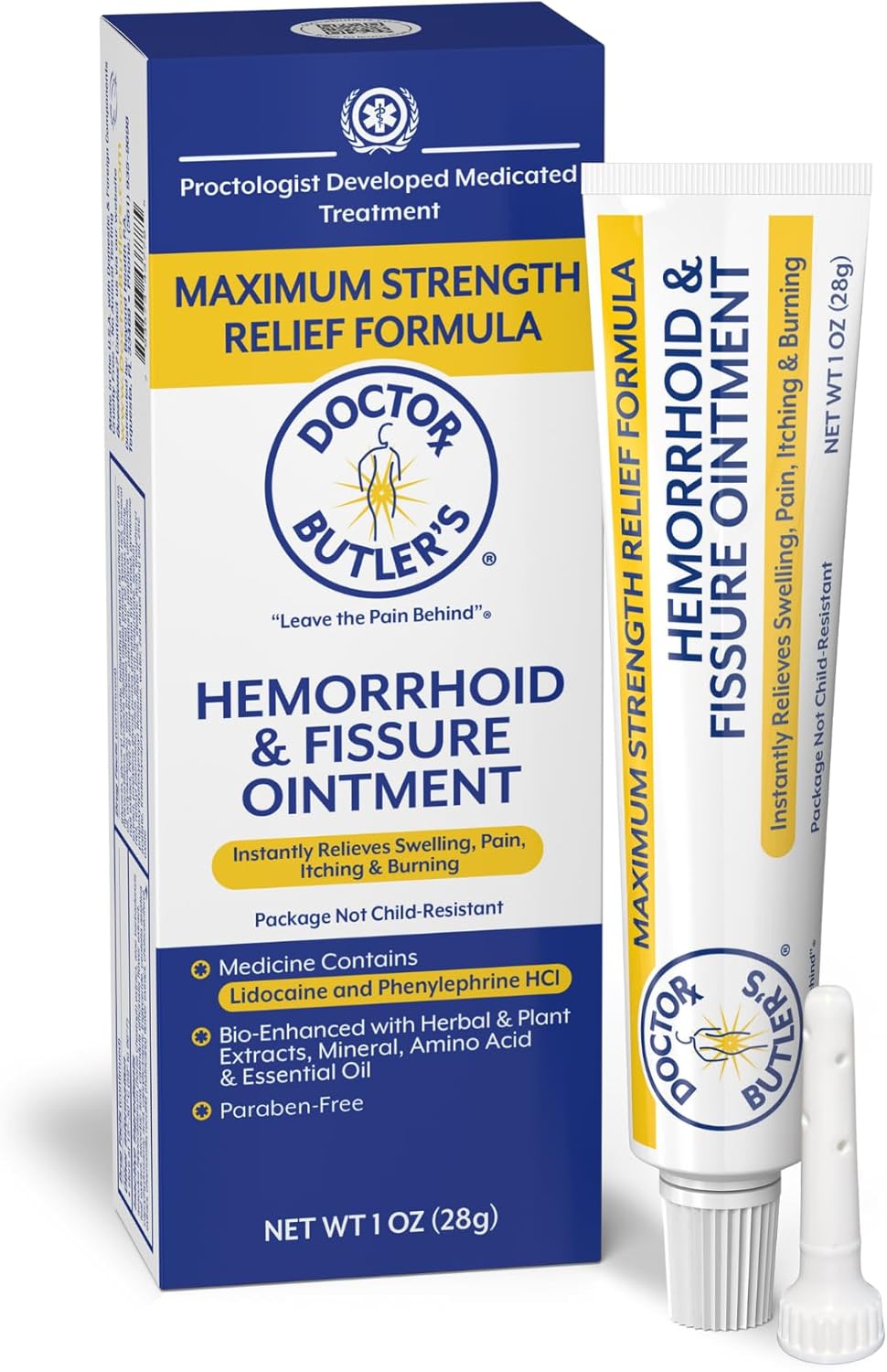
Proctologist-formulated ointment with lidocaine for fast relief.
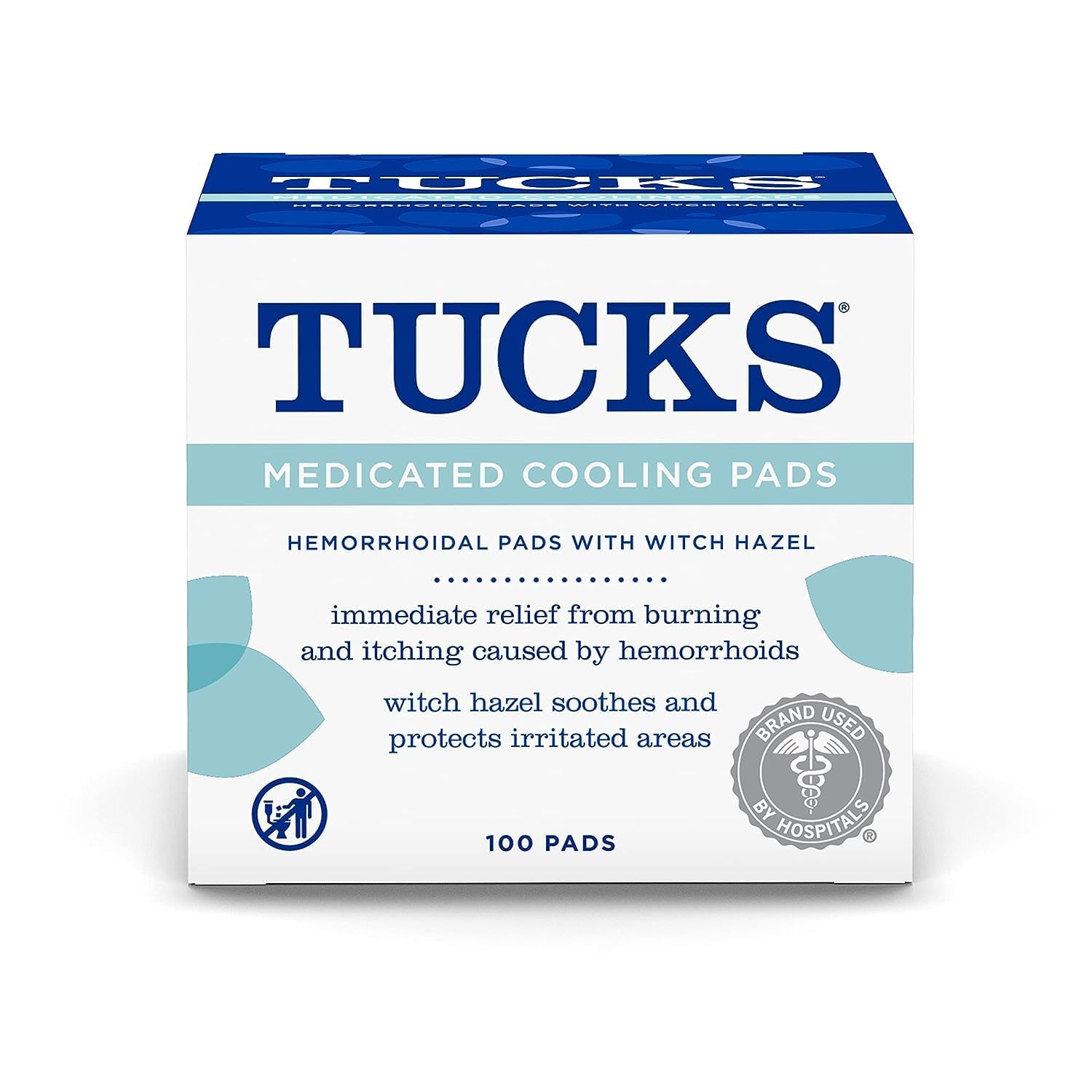
Witch hazel pads for soothing relief and gentle cleansing.
Sources & References
- Hemorrhoids — National Institute of Diabetes and Digestive and Kidney Diseases (NIDDK). Accessed February 10, 2026.
- Hemorrhoids - Symptoms and Causes — Mayo Clinic. Accessed February 10, 2026.
- Hemorrhoids: Symptoms, Causes & Treatment — Cleveland Clinic. Accessed February 10, 2026.
Related Articles
How to Shrink Hemorrhoids Fast — 7 Methods Ranked by Speed
Need fast hemorrhoid relief? These 7 research-backed methods are ranked from immediate fixes to long-term solutions for reducing swelling quickly.
Sitz Bath for Hemorrhoids: The Complete How-To Guide
Sitz baths are one of the most effective home treatments for hemorrhoids. Learn how to do them properly for maximum relief.
Best Hemorrhoid Creams Compared: What Actually Works
Not all hemorrhoid creams are created equal. Compare the top options and learn which ingredients work best for different symptoms.
Written by the HemorrhoidCareGuide Team
Dedicated to helping people find relief through education and honest product recommendations.
Medical Disclaimer: This content is for informational purposes only and does not constitute medical advice. Always consult with a qualified healthcare provider for diagnosis and treatment of hemorrhoids or any medical condition.
Find Your Hemorrhoid Type
Take our free 2-minute assessment to identify your hemorrhoid type and get personalized product recommendations.
Take the Free AssessmentRelated Articles
How to Shrink Hemorrhoids Fast — 7 Methods Ranked by Speed
Need fast hemorrhoid relief? These 7 research-backed methods are ranked from immediate fixes to long-term solutions for reducing swelling quickly.
Sitz Bath for Hemorrhoids: The Complete How-To Guide
Sitz baths are one of the most effective home treatments for hemorrhoids. Learn how to do them properly for maximum relief.