What Do Hemorrhoids Look Like? Visual Guide & Identification
What Do Hemorrhoids Look Like?
Knowing what hemorrhoids look like can help you identify your condition and determine the right treatment approach. This guide describes the visual characteristics of different hemorrhoid types.
External Hemorrhoids: Visible Signs
External hemorrhoids form under the skin around the anus, making them visible upon inspection.
Normal External Hemorrhoid Appearance
Typical characteristics:
- Soft, skin-colored lumps near the anus
- May appear slightly swollen
- Can range from pea-sized to grape-sized
- Skin texture similar to surrounding area
- May have slight bluish tinge if blood pooling occurs
Thrombosed External Hemorrhoid
Distinctive appearance:
- Hard, firm lump
- Bluish or purple coloration
- Significant swelling
- Tense, shiny skin surface
- Clearly defined borders
This is what a thrombosed hemorrhoid looks like - a blood clot has formed inside.
Skin Tags (Healed Hemorrhoids)
After external hemorrhoids heal, they may leave:
- Small, soft skin flaps
- Same color as surrounding skin
- Painless
- Permanent unless surgically removed
Internal Hemorrhoids: What You Might See
Internal hemorrhoids are inside the rectum and typically are not visible unless they prolapse.
Grade 1-2: Usually Not Visible
- Located inside the rectum
- May cause bleeding but no visible mass
- Grade 2 may briefly appear during bowel movements
Grade 3: Visible During/After Bowel Movements
Appearance when prolapsed:
- Pinkish or reddish tissue
- Soft, spongy texture
- Protrudes during straining
- Can be pushed back inside
Grade 4: Permanently Visible
Characteristic appearance:
- Constantly prolapsed tissue
- May appear purplish if circulation compromised
- Cannot be pushed back inside
- Larger, more prominent mass
How to Tell Hemorrhoid Types Apart
External vs. Internal (Prolapsed)
| Feature | External | Internal (Prolapsed) |
|---|---|---|
| Location | Under skin around anus | Protrudes from inside |
| Color | Skin-colored to bluish | Pink to reddish |
| Texture | Firm, skin-like | Soft, moist, mucous-covered |
| Pain | Often painful | Usually painless |
| Reducible | N/A | Can often be pushed back |
Normal Hemorrhoid vs. Thrombosed
| Feature | Normal | Thrombosed |
|---|---|---|
| Color | Skin-colored | Blue/purple |
| Firmness | Soft | Hard |
| Pain | Mild to moderate | Severe |
| Onset | Gradual | Sudden |
What is Normal vs. Concerning
Normal Hemorrhoid Signs
- Mild swelling
- Soft texture
- Skin-colored or slightly pink
- Gradual onset
- Improves with treatment
Concerning Signs - See a Doctor
- Dark purple or black color - may indicate strangulation
- Extremely hard, painful lump - likely thrombosed
- Bleeding that does not stop - needs evaluation
- Foul smell or discharge - possible infection
- Tissue that looks abnormal - rule out other conditions
Hemorrhoids vs. Other Conditions
Hemorrhoids vs. Anal Fissures
Hemorrhoids:
- Visible swelling
- Bleeding often painless
- Lump present
Anal fissures:
- No visible lump (tear is internal)
- Sharp pain with bowel movements
- May see small amount of blood
Hemorrhoids vs. Skin Tags
Hemorrhoids:
- May be swollen or tender
- Can change size
- Actively symptomatic
Skin tags:
- Soft, painless
- Stable size
- No symptoms
Hemorrhoids vs. More Serious Conditions
When to get checked:
- Any new lump that does not match hemorrhoid description
- Rapidly growing mass
- Hard, irregular texture
- Unexplained weight loss
- Persistent bleeding
Read more about hemorrhoids vs. colorectal cancer warning signs.
Self-Examination Tips
How to Check Safely
1. Use a mirror - handheld mirror allows visibility 2. Good lighting - ensure you can see clearly 3. Clean hands - wash before and after 4. Gentle inspection - don't probe or squeeze 5. Note what you see - describe to your doctor
What to Look For
- Location of any lumps
- Color and size
- Firmness when gently touched
- Any bleeding
- Changes over time
If your symptoms match typical hemorrhoid patterns, a topical cream can provide relief while you monitor your condition.
When to See a Doctor
Always consult a doctor if:
- You're unsure what you're seeing
- Symptoms don't match typical hemorrhoids
- Treatment isn't helping
- You see concerning signs listed above
- You're over 45 with new bleeding
A proper diagnosis from a healthcare provider is essential. What you think is a hemorrhoid could be something else that requires different treatment.
The Bottom Line
External hemorrhoids appear as soft, skin-colored lumps near the anus. Thrombosed hemorrhoids are hard and bluish. Prolapsed internal hemorrhoids are pink/red, soft tissue that protrudes.
If you're unsure what you're dealing with, take our hemorrhoid assessment quiz for guidance, and see a doctor for confirmation.
For a deeper dive into types, see our guide on internal vs external hemorrhoids. If you've identified your type, browse our best hemorrhoid cream recommendations for relief.
Remember: Visual identification is helpful, but a medical professional should confirm your diagnosis, especially if symptoms are severe or don't improve with treatment.
Recommended Products
Disclosure: This page contains affiliate links. As an Amazon Associate we earn from qualifying purchases, at no extra cost to you.
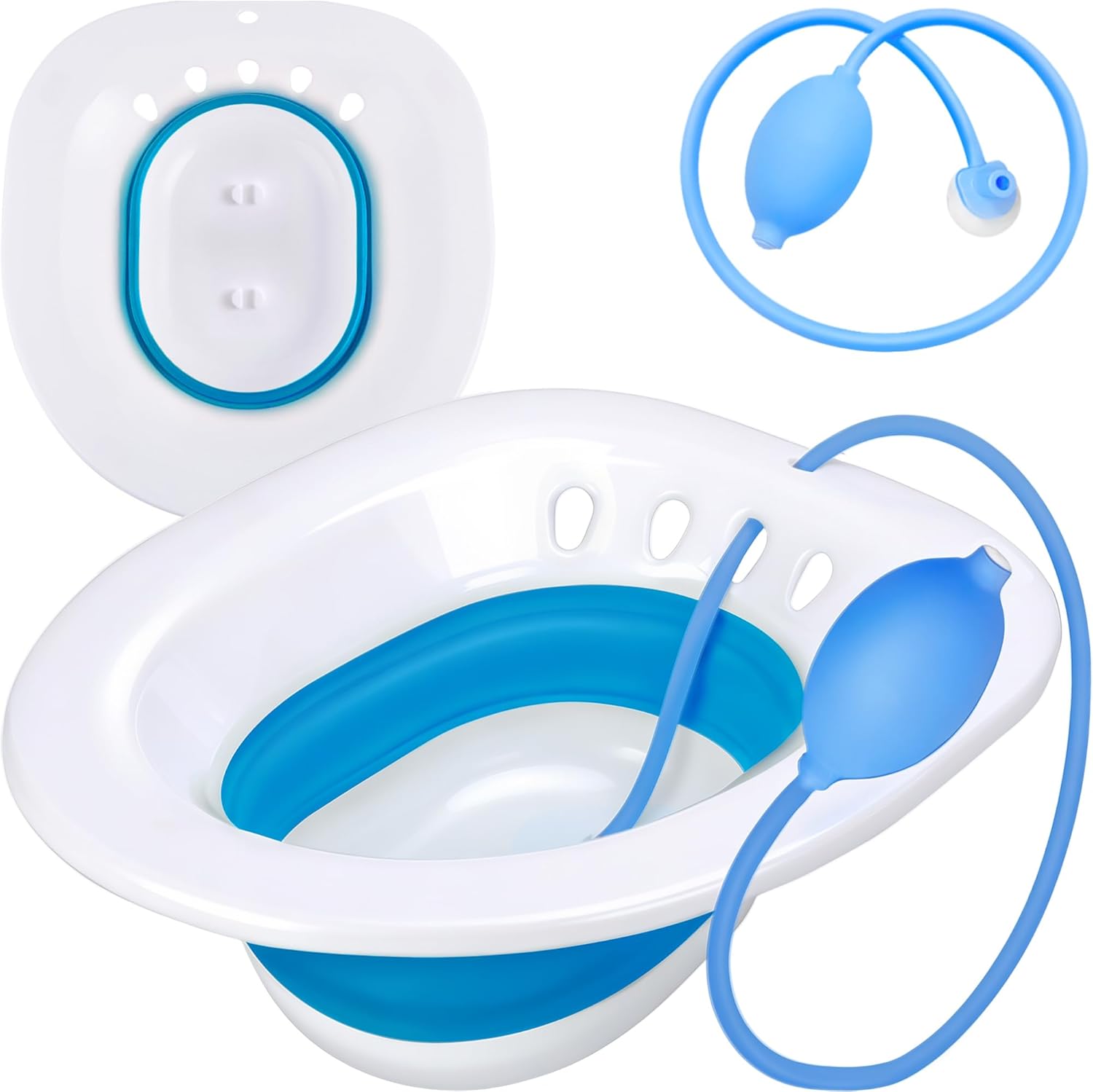
Collapsible sitz bath with flusher hose and wider seating.
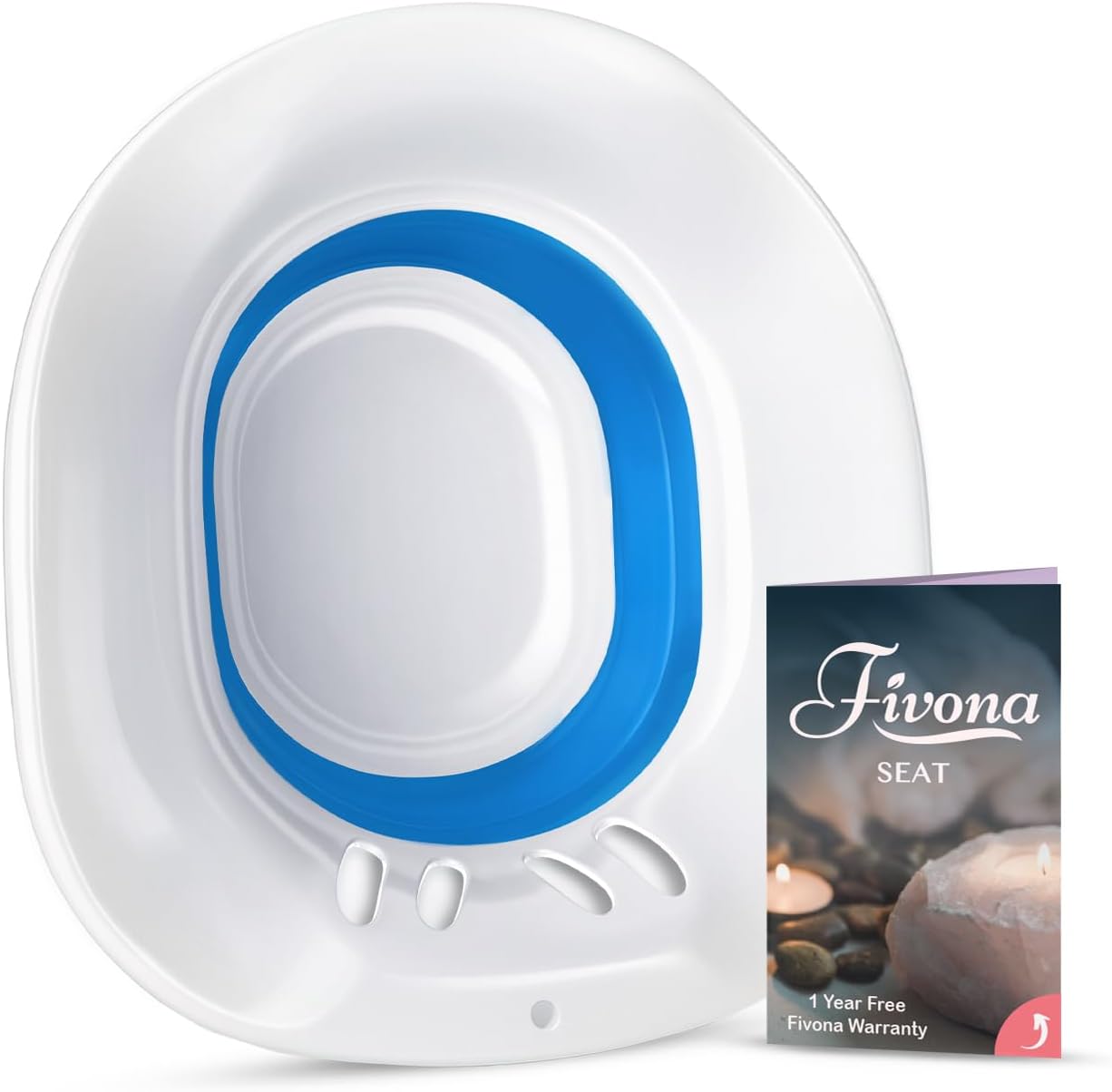
Foldable sitz bath with universal fit and ergonomic design.
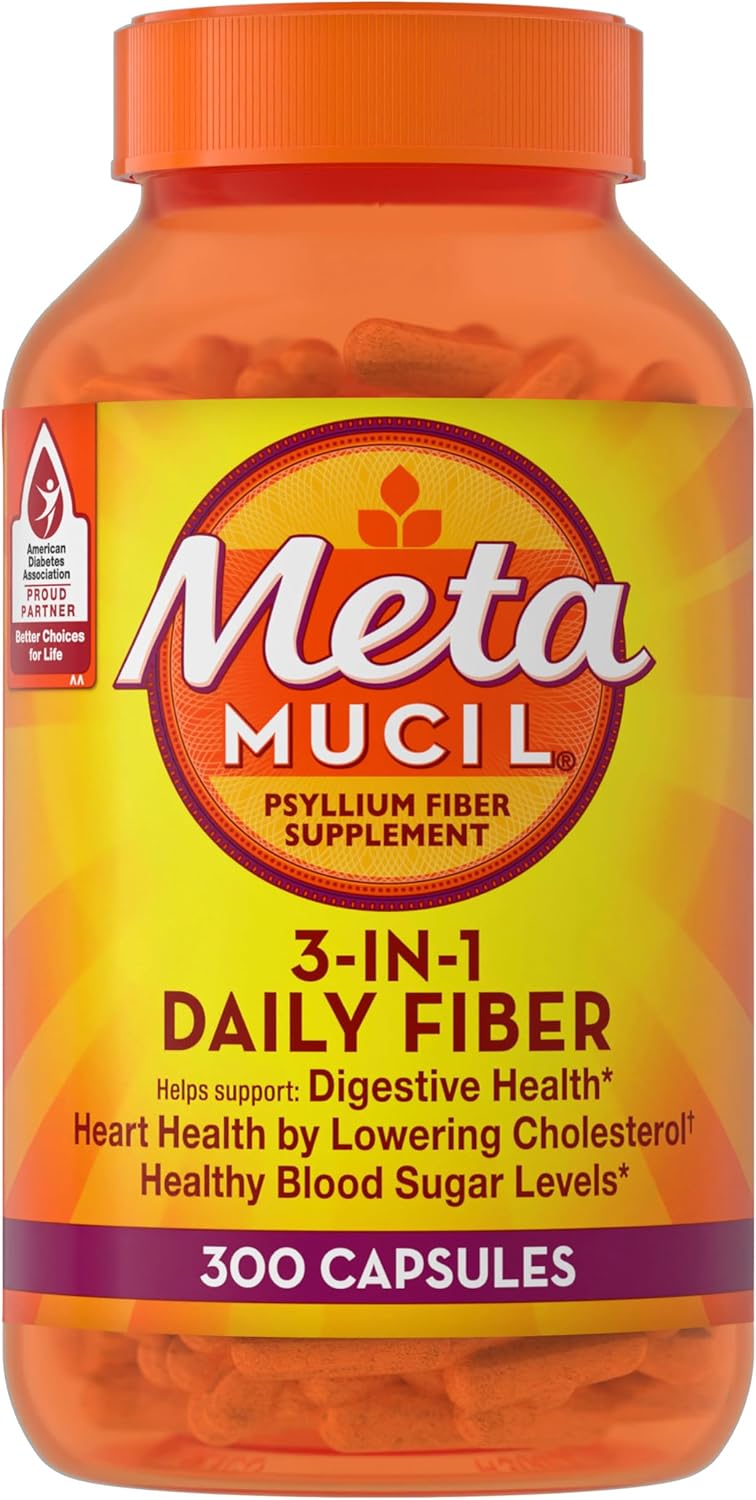
Psyllium fiber supplement to soften stool and reduce straining.
Related Articles
What Causes Hemorrhoids? The Complete Guide
Understanding why hemorrhoids develop is the first step to prevention and relief. Learn about the anatomy, risk factors, and common triggers.
Internal vs External Hemorrhoids: Key Differences Explained
Learn the differences between internal and external hemorrhoids, including symptoms, causes, and treatment approaches for each type.
Why Do Hemorrhoids Bleed? When to Worry
Rectal bleeding can be alarming. Learn why hemorrhoids bleed, what the blood looks like, and when bleeding requires medical attention.
Written by the HemorrhoidCareGuide Team
Dedicated to helping people find relief through education and honest product recommendations.
Medical Disclaimer: This content is for informational purposes only and does not constitute medical advice. Always consult with a qualified healthcare provider for diagnosis and treatment of hemorrhoids or any medical condition.
Find Your Hemorrhoid Type
Take our free 2-minute assessment to identify your hemorrhoid type and get personalized product recommendations.
Take the Free AssessmentRelated Articles
What Causes Hemorrhoids? The Complete Guide
Understanding why hemorrhoids develop is the first step to prevention and relief. Learn about the anatomy, risk factors, and common triggers.
Internal vs External Hemorrhoids: Key Differences Explained
Learn the differences between internal and external hemorrhoids, including symptoms, causes, and treatment approaches for each type.